


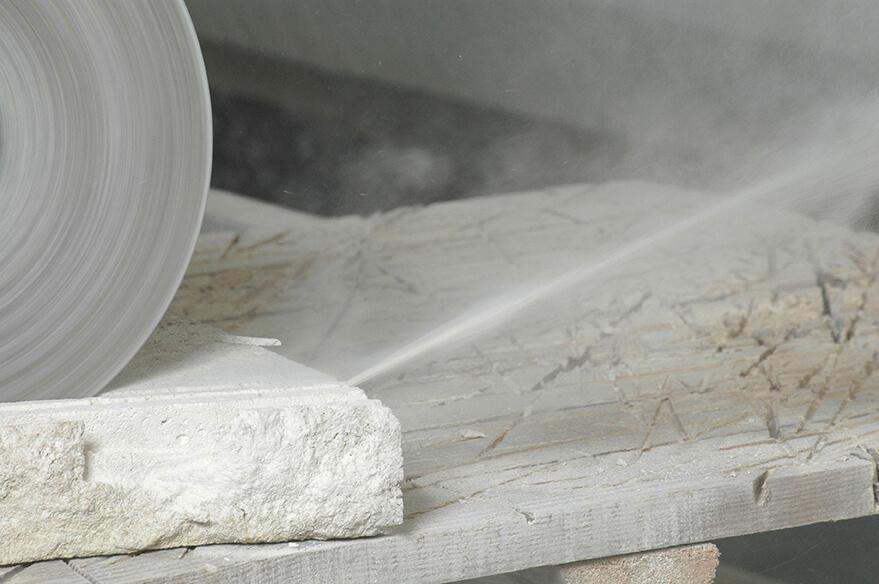
Silica dust is one of the most dangerous workplace hazards—and one of the easiest to overlook. It’s invisible to the naked eye, odorless, and often produced during routine tasks such as cutting, grinding, drilling, or polishing materials like concrete, stone, brick, and engineered stone. Yet prolonged exposure to respirable crystalline silica can lead to life-altering diseases, including silicosis, lung cancer, chronic obstructive pulmonary disease (COPD), and kidney disease. Despite these risks, many workplaces still underestimate the danger. This is where silica testing becomes not just a regulatory requirement, but a moral responsibility.
What Is Silica and Why Is It So Dangerous?
Silica, or silicon dioxide, is a natural mineral found in sand, rock, concrete, mortar, and many construction and industrial materials. When these materials are disturbed, tiny particles of crystalline silica become airborne. The most dangerous form is respirable crystalline silica—particles small enough to penetrate deep into the lungs.
Once inhaled, these particles cause inflammation and scarring of lung tissue. Over time, this can lead to silicosis, a progressive and irreversible disease that reduces lung capacity and makes breathing increasingly difficult. In severe cases, it can be fatal. Even short-term exposure to high levels of silica dust can cause acute silicosis, which can progress rapidly and lead to respiratory failure.
What makes silica especially dangerous is that symptoms often appear years after exposure, long after the worker has left the job that caused it. This delayed onset makes prevention through testing and monitoring absolutely critical.
Why Silica Testing Is Essential
Silica testing is the process of measuring the concentration of respirable crystalline silica in workplace air. It helps employers understand the level of risk their workers face and whether current controls are effective. Without testing, exposure remains invisible—and therefore unmanaged.
Testing serves several key purposes:
- Protecting Worker Health: The primary goal is to prevent disease and protect lives. Testing identifies hazardous exposure levels before workers suffer irreversible harm.
- Ensuring Legal Compliance: Many countries, including Australia, have strict workplace exposure standards for silica. Employers are legally required to assess and control risks.
- Improving Workplace Safety Systems: Testing provides data that helps refine engineering controls, work practices, and personal protective equipment (PPE).
- Demonstrating Due Diligence: Regular testing shows that an employer is taking reasonable steps to protect workers, which can be critical in audits, inspections, or legal proceedings.
Who Needs Silica Testing?
Silica testing is essential across a wide range of industries, particularly those involving cutting, drilling, grinding, or processing mineral-based materials. These include:
- Construction and demolition
- Mining and quarrying
- Manufacturing of concrete, bricks, tiles, and glass
- Stone benchtop fabrication
- Tunneling and road construction
- Foundries and metal casting
- Landscaping and masonry
Even tasks that seem low-risk—such as sweeping dust, mixing cement, or using handheld power tools—can generate dangerous levels of respirable silica if not properly controlled.
How Silica Testing Works
Silica testing typically involves air monitoring conducted by trained occupational hygienists. Workers wear small sampling pumps connected to a filter cassette placed in their breathing zone. This device collects airborne particles over a set period, usually a full shift or a specific task duration.
The collected samples are then sent to an accredited laboratory, where they are analyzed to determine the concentration of respirable crystalline silica. Results are compared against workplace exposure standards to assess risk levels.
Testing can be:
- Personal Monitoring: Measures the actual exposure of individual workers.
- Static Monitoring: Measures silica levels in specific areas of a workplace.
- Task-Based Monitoring: Evaluates exposure during particular activities or processes.
Each approach provides valuable insights and helps build a comprehensive understanding of exposure risks.
Understanding the Results
Silica test results are typically reported in milligrams per cubic meter of air (mg/m³) and compared against regulatory exposure limits. In Australia, for example, the workplace exposure standard for respirable crystalline silica is 0.05 mg/m³ (as of recent regulations), though this may change as scientific understanding evolves.
If results exceed the exposure limit, immediate action is required. Even results below the limit should prompt continuous improvement, as no level of silica exposure is completely risk-free.
Controlling Silica Exposure
Testing alone is not enough—it must be followed by effective control measures. The hierarchy of controls provides a structured approach:
- Elimination: Remove silica-containing materials or processes altogether where possible.
- Substitution: Use alternative materials with lower silica content.
- Engineering Controls: Implement dust extraction systems, water suppression, or enclosed processes.
- Administrative Controls: Change work practices, limit exposure time, provide training, and schedule high-risk tasks when fewer workers are present.
- Personal Protective Equipment (PPE): Use appropriate respiratory protection when other controls cannot fully eliminate exposure.
Silica testing helps determine which controls are working and which need improvement. It also ensures that PPE programs are properly designed and effective.
The Human Cost of Inaction
Behind every statistic about silicosis is a real person—someone who went to work each day expecting to earn a living, not lose their health or life. In recent years, there has been a rise in cases among young workers, particularly in the engineered stone industry. Some have developed severe silicosis after just a few years of exposure.
The human cost extends beyond the individual. Families lose loved ones or become caregivers. Employers face legal consequences, financial losses, reputational damage, and emotional distress. Communities bear the burden of long-term healthcare costs and lost productivity.
All of this is preventable. Silica testing, combined with effective controls and a strong safety culture, can save lives.
Legal and Ethical Responsibilities
Employers have both legal and ethical obligations to provide a safe workplace. This includes identifying hazards, assessing risks, and implementing appropriate controls. Silica testing is a key part of meeting these obligations.
Failure to conduct proper testing and monitoring can result in:
- Regulatory penalties and fines
- Prosecution and legal action
- Workers’ compensation claims
- Increased insurance premiums
- Loss of business licenses or contracts
- Damage to brand reputation
More importantly, it represents a failure to protect the people who make the business possible.
Building a Culture of Prevention
Silica testing should not be seen as a one-off compliance task. It should be part of an ongoing commitment to worker health and safety. This includes:
- Regular monitoring and review of exposure levels
- Continuous improvement of control measures
- Ongoing training and education for workers and supervisors
- Encouraging workers to report hazards and concerns without fear
- Engaging qualified occupational health and safety professionals
When workers understand the risks and feel empowered to participate in safety efforts, compliance becomes culture—and culture saves lives.
The Future of Silica Management
As awareness of silica-related diseases grows, regulations are becoming stricter, and expectations of employers are rising. Advances in monitoring technology, dust control systems, and health surveillance are improving our ability to prevent harm—but only if they are used.
There is also increasing emphasis on early detection through health monitoring, such as lung function tests and imaging for at-risk workers. Combined with silica testing, this creates a comprehensive approach to prevention, early intervention, and long-term worker health.
Conclusion
Silica dust may be invisible, but its consequences are devastating and all too real. Silica testing is not just a technical procedure—it is a life-saving measure. It transforms an unseen hazard into measurable data, enabling informed decisions, effective controls, and meaningful protection for workers.
Every employer, manager, and worker has a role to play in preventing silica-related disease. By prioritizing silica testing, investing in proper controls, and fostering a culture of safety, we can ensure that no one has to sacrifice their health for their job.
The invisible dust doesn’t have to kill. With the right action, it doesn’t have to harm at all.

 Arabic
 French
 Spanish
 Portuguese
 Deutsch
 Turkish
 Dutch
Dutch
 Italiano
 Russian
 Romaian
 Portuguese (Brazil)
 Greek
Greek