


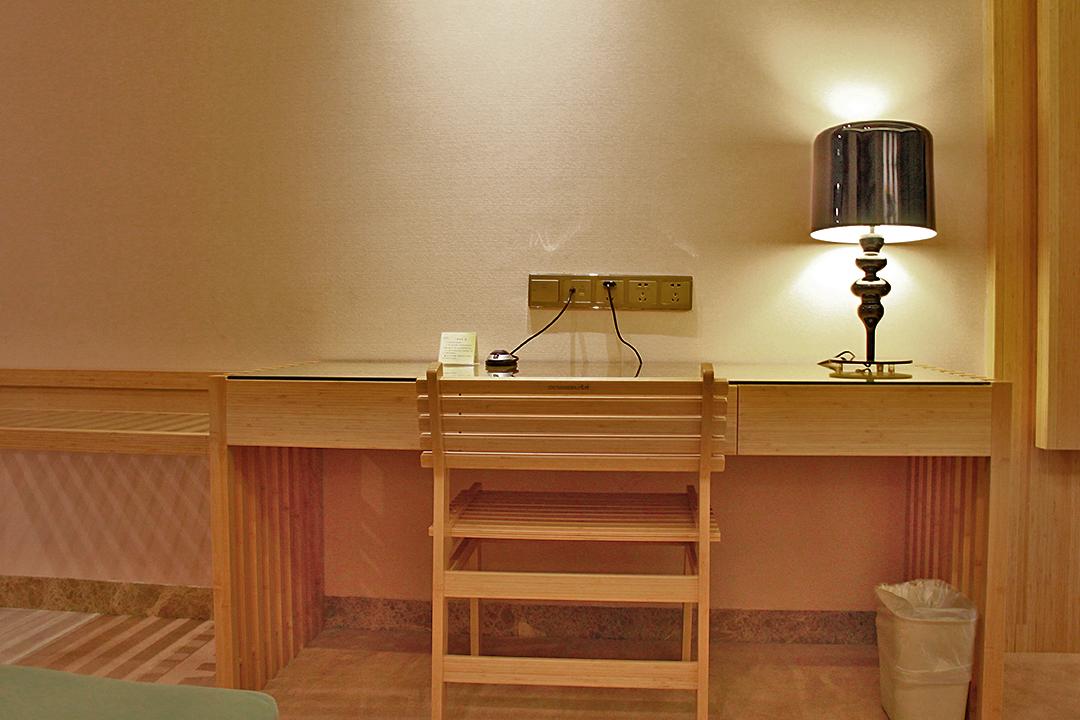
Bamboo has long been admired for its combination of beauty, strength, and sustainability. Over the past decade, it has moved from being regarded as a niche material to becoming a primary option for flooring, decking, furniture, cabinetry, and structural components. Within this shift, one specification consistently stands out as a key performance indicator: density. Among the various grades and types available, premium‑density bamboo—around 750 kg/m³—has earned a reputation for delivering superior results across durability, stability, and long-term performance.
While many consumers notice bamboo’s aesthetic and eco-friendly appeal, fewer understand how density directly influences how well a bamboo product performs. This blog explores why 750 kg/m³ density represents a sweet spot for premium bamboo products and how this characteristic enhances the material’s behavior in real-world applications.
Density as a Predictor of Performance
When evaluating wood or bamboo, density is one of the most reliable predictors of physical performance. It reflects how much material is packed into a given volume. As density increases, the fibers become more tightly compacted, resulting in:
- Greater hardness
- Higher structural strength
- Better resistance to wear
- Enhanced dimensional stability
Different bamboo products vary widely in density depending on species, age of harvest, moisture content, and manufacturing method. Some low-density bamboo materials may measure as little as 500 kg/m³, while highly compressed versions can exceed 1000 kg/m³. The premium‑density range around 750 kg/m³ hits a balance between optimal strength and suitable flexibility, making it ideal for a wide variety of uses.
Why 750 kg/m³ Is a Sweet Spot
1. Exceptional Hardness Without Brittleness
Materials that are extremely dense can sometimes shift toward brittleness, losing a degree of impact resistance. Bamboo at approximately 750 kg/m³ offers high hardness while maintaining resilience. This balance is particularly important for surfaces like flooring, where both dent resistance and shock absorption matter.
Floors endure thousands of impacts over their lifetime—from furniture, shoes, pets, and routine daily movement. Bamboo at this density handles indentation forces well without becoming overly rigid.
2. Better Dimensional Stability Across Seasons
One of the battlegrounds for any natural material is moisture. Bamboo, like wood, naturally expands when humidity rises and contracts when it falls. Density plays an important role in regulating this movement.
Premium‑density bamboo has a compact fiber structure that absorbs and releases moisture at a more controlled rate. This results in:
- Fewer issues with cupping or warping
- Less gapping during low‑humidity months
- More predictable behavior in climates with seasonal swings
This stability is especially beneficial for wider planks or structural components, where excessive movement can compromise fit or alignment.
3. Improved Wear Resistance
A material’s density correlates strongly with its abrasion resistance. Bamboo at 750 kg/m³ holds up better under repeated friction than lower-density alternatives. In high‑traffic areas—commercial spaces, hallways, kitchens—this makes a noticeable difference in how the surface ages.
Instead of developing worn paths or losing finish prematurely, premium‑density bamboo tends to maintain a more uniform appearance over time. Its surface remains smoother, and finish coatings last longer because the underlying fibers provide a firm support base.
4. Stronger Fastener Holding Strength
For flooring, furniture, construction panels, and cabinetry, fastener retention is critical. Screws and nails must grip the material without loosening under stress or long-term use.
In bamboo around 750 kg/m³:
- Fasteners bite securely
- Joints remain stable
- Mechanical connections hold tight without stripping
This is particularly useful for structural boards, decking sub‑components, and furniture frames where repeated motion or load pressure might otherwise weaken attachment points.
How Manufacturing Methods Influence Density
Bamboo’s density isn’t purely a natural attribute; production methods significantly influence the final measurement.
Strand-Woven Bamboo
This process involves shredding bamboo into strands, mixing them with a resin binder, and compressing the mixture under high pressure. Manufacturers can calibrate the density by modifying both pressure and resin distribution. Many high‑quality strand‑woven products fall in the 700–800 kg/m³ range.
Horizontal and Vertical Lamination
In traditional laminated bamboo, density reflects the natural density of the culm as well as how tightly the strips are pressed. Older culms and precise pressing lead to better consistency. Premium products in this category often aim for the 700‑750 kg/m³ range for balanced performance.
Heat Treatment
Carbonization and heat treatment can reduce density slightly due to moisture loss and fiber breakdown, which is why manufacturers must compensate with careful processing to maintain structural integrity.
The key takeaway: achieving stable 750 kg/m³ density requires controlled harvest conditions, consistent drying, and carefully calibrated pressing. Manufacturers that prioritize these steps produce bamboo with reliably superior performance characteristics.
Environmental and Practical Advantages
Higher Density Extends Service Life
Durability is one of the most important environmental factors. A longer-lasting product reduces resource use by spreading environmental impact over a greater period. Premium‑density bamboo not only performs better but typically lasts longer, delaying the need for replacement.
Reduced Material Waste
Stable boards are less likely to be rejected during installation or downgraded due to warpage or internal defects. This means fewer discarded planks and more efficient use of raw material.
Compatibility With High-End Finishing Techniques
Denser material accepts precision machining, intricate cuts, and advanced finishing more effectively. Smooth edges, tight joinery, and uniform staining rely on a stable, consistent substrate. Products made from 750 kg/m³ bamboo often achieve a cleaner, more polished final look.
Applications That Benefit Most
Although nearly any bamboo application can gain advantages from premium density, several areas stand out.
Flooring
Dense bamboo flooring resists dents, scratches, and wear, while the stable fiber structure reduces seasonal movement. In both residential and commercial environments, this density level offers excellent performance without the brittleness associated with ultra‑compressed products.
Decking and Exterior Use
When paired with proper treatment, bamboo around 750 kg/m³ creates strong, weather-resistant decking boards. Its density helps resist splitting and retains fasteners securely—two vital traits for outdoor installations.
Furniture Manufacturing
Chairs, tables, cabinets, and storage systems made from premium‑density bamboo tend to hold their shape, resist loosening at joints, and maintain a crisp appearance over time.
Structural Panels
Architectural panels, beams, and engineered boards benefit from a consistent density that ensures reliable load-bearing behavior and stable performance across temperature and humidity variations.
How 750 kg/m³ Compares to Other Materials
To understand the value of this density level, it helps to compare it with common hardwoods:
- Oak: ~700 kg/m³
- Maple: ~720 kg/m³
- Teak: ~650 kg/m³
A premium‑density bamboo product sits comfortably within or above the range of well-known hardwoods, offering similar or higher strength properties while growing significantly faster and regenerating without replanting. This combination of performance and renewability is part of what makes bamboo such a compelling option.
Factors to Look For in Premium-Density Bamboo Products
Consumers and professionals seeking higher-performance bamboo should pay attention to several quality indicators:
- Consistent coloration, indicating proper drying
- Low variation from board to board
- Manufacturer disclosure of density specifications
- Third-party testing (e.g., Janka hardness, dimensional stability tests)
- Clear information on adhesive type and emissions
Density alone doesn’t define quality, but it is one of the most influential components of overall performance.
A Material Balanced for Strength, Durability, and Everyday Use
Premium‑density bamboo at around 750 kg/m³ represents a well-rounded, carefully calibrated material. It balances hardness with resilience, stability with strength, and density with workable flexibility. This makes it suitable for daily use, professional applications, and long-term architectural installations.
As more builders, homeowners, and designers look for materials that offer reliability without compromising sustainability, bamboo flooring in this density range provides a practical solution. Its performance characteristics are not dependent on gimmicks or experimental processes—they come from thoughtful manufacturing, mature harvest cycles, and the innate properties of a naturally strong plant fiber.
When assessed on durability, stability, and real-world behavior, premium‑density bamboo stands out as a dependable and efficient choice, offering impressive performance for both functional and decorative projects.

 English
 Arabic
 French
 Spanish
 Portuguese
 Deutsch
 Dutch
Dutch
 Italiano
 Russian
 Romaian
 Portuguese (Brazil)
 Greek
Greek