


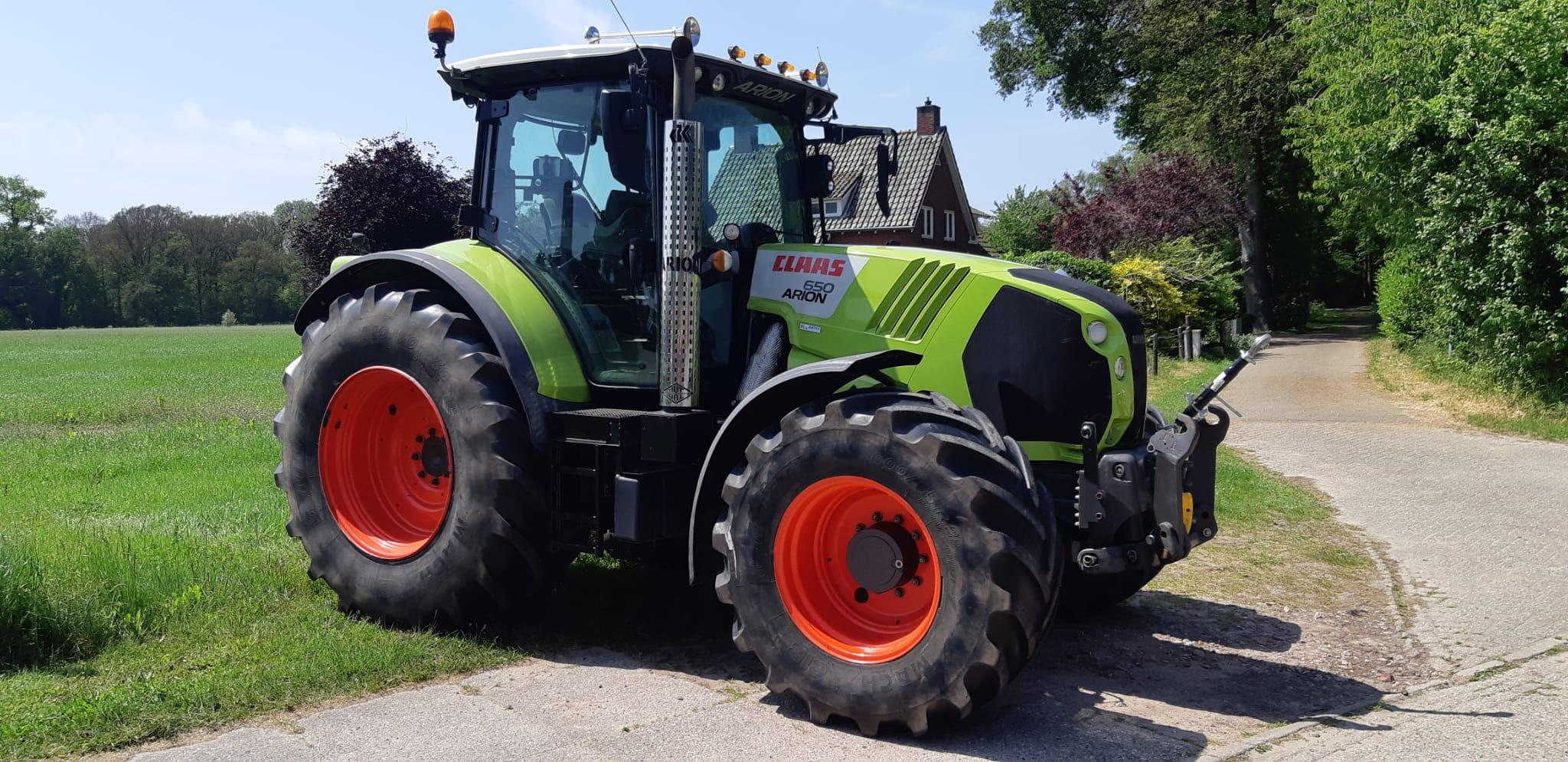
According to TechSci Research, the Europe & CIS Tractor Market continues to demonstrate resilient growth, supported by modernization of agricultural practices, expanding non-agricultural applications, and increasing demand for high-performance mechanized solutions. Valued at USD 15.23 billion in 2024, the market is projected to reach USD 20.46 billion by 2030, growing at a CAGR of 5.04% during the forecast period.
Tractors have evolved from traditional agricultural machinery into multi-functional productivity platforms capable of supporting diverse use cases across farming, infrastructure development, municipal services, and rural logistics. This evolution is redefining purchasing decisions across Europe and the Commonwealth of Independent States (CIS), where mechanization is increasingly viewed as a strategic investment rather than a capital expense.
The market’s expansion reflects broader structural changes in agriculture and rural economies. Declining availability of farm labor, pressure to improve yield efficiency, and rising operational costs are compelling farmers and commercial operators to adopt mechanized solutions that improve productivity, reduce downtime, and enable scalable operations. Simultaneously, tightening environmental regulations and sustainability mandates are pushing manufacturers to redesign engines, transmissions, and power systems to comply with advanced emission norms while maintaining performance benchmarks.
Structural Transformation of the Tractor Industry in Europe & CIS
Mechanization as a Response to Labor Shortages
One of the most influential structural forces shaping the Europe & CIS tractor market is the persistent shortage of agricultural labor. Demographic shifts, urban migration, and an aging rural workforce have reduced the availability of skilled farm labor, particularly during peak planting and harvesting seasons. Tractors, equipped with advanced automation, GPS-enabled steering, and precision farming attachments, are helping bridge this labor gap by allowing fewer operators to manage larger areas with greater accuracy.
Small and medium-sized farms are increasingly investing in compact and mid-range tractors with advanced features to maximize output per hectare. Meanwhile, large commercial farms are shifting toward high-horsepower tractors capable of continuous, intensive operations across vast tracts of land.
Environmental Compliance and Emission Regulations
Environmental sustainability has become a defining factor in tractor design and adoption across Europe and CIS markets. Regulatory frameworks emphasizing reduced emissions, lower fuel consumption, and compliance with advanced engine standards are reshaping product portfolios.
Manufacturers are investing heavily in:
-
Stage V-compliant diesel engines
-
Hybrid tractor configurations
-
Improved exhaust after-treatment systems
-
Enhanced fuel efficiency technologies
These innovations not only help manufacturers meet regulatory requirements but also reduce long-term operating costs for end users. Environmentally compliant tractors are increasingly favored by buyers who seek eligibility for government subsidies and incentives linked to sustainable farming practices.
Download Free Sample Report: https://www.techsciresearch.com/sample-report.aspx?cid=3529
Expanding Role of Tractors Beyond Agriculture
Infrastructure Maintenance and Municipal Applications
Tractors are no longer confined to agricultural fields. Across Europe and CIS countries, they are increasingly deployed in non-agricultural applications, including:
-
Roadside vegetation management
-
Snow removal and winter maintenance
-
Municipal waste handling
-
Forestry and land clearing
-
Rural infrastructure upkeep
This diversification is boosting demand for tractors with modular attachment systems, reinforced chassis, and multi-season adaptability. Municipal authorities and private contractors are investing in tractors as cost-effective alternatives to specialized equipment, particularly in rural and semi-urban regions.
Rural Development and Utility Operations
Government-backed rural development initiatives across Eastern Europe and CIS nations are further expanding tractor usage. Infrastructure modernization projects, land reclamation efforts, and irrigation system development rely heavily on tractors equipped with loaders, graders, and excavation attachments.
This trend underscores the growing perception of tractors as multi-utility machines, driving demand for models that offer durability, ease of maintenance, and compatibility with a wide range of implements.
Market Segmentation Analysis
By Power Output
The Europe & CIS tractor market is segmented by power output into:
-
Less than 40 HP
-
40 to 99 HP
-
100 to 150 HP
-
151 to 200 HP
-
Above 200 HP
Above 200 HP: Fastest-Growing Segment
In 2024, the above 200 HP segment emerged as the fastest-growing category. Demand surged as large-scale farms, agribusiness enterprises, and export-oriented producers sought machinery capable of handling intensive workloads efficiently.
High-horsepower tractors are preferred for:
-
Deep plowing and heavy tillage
-
Simultaneous multi-implement operations
-
Long-duration field work
-
Precision farming integration
These machines feature high-torque engines, advanced transmissions, four-wheel-drive systems, and robust build quality. Their ability to reduce operating time per hectare and optimize fuel usage makes them particularly attractive in grain-intensive and time-sensitive agricultural operations.
By Application
The market is segmented into:
-
Agriculture
-
Non-agriculture
While agriculture remains the dominant application, non-agricultural usage is gaining momentum. Tractors used in infrastructure maintenance, municipal services, and industrial landscaping are contributing to incremental market growth and diversification.
By Country
The Europe & CIS tractor market spans a diverse set of countries with varying levels of mechanization and agricultural intensity.
Russia: Fastest-Growing Market
Russia recorded the fastest growth in tractor demand in 2024, supported by:
-
Strong state-backed agricultural modernization programs
-
Subsidies for machinery upgrades
-
Expansion of mechanized farming infrastructure
-
Focus on increasing grain output and export capacity
Large field sizes and climate-resilient farming requirements have driven demand for mid- to high-horsepower tractors. Replacement cycles are accelerating as operators seek newer models with improved efficiency and compliance capabilities.
Emerging Trends in the Europe & CIS Tractor Market
Integration of Smart and Precision Farming Technologies
Precision agriculture is rapidly transforming tractor usage across Europe and CIS. Modern tractors are increasingly equipped with:
-
GPS-based auto-steering systems
-
Real-time field mapping
-
Variable rate application controls
-
Telemetry and remote diagnostics
These technologies enable operators to optimize input usage, reduce waste, and improve yields while lowering operational costs. Data-driven decision-making is becoming central to farm management, positioning tractors as intelligent platforms rather than mechanical tools.
Growth of Hybrid and Alternative Powertrains
Although diesel remains dominant, hybrid tractors and alternative fuel technologies are gaining attention. Manufacturers are exploring electrification, particularly for smaller and mid-range tractors used in urban and semi-urban applications.
Hybrid systems offer:
-
Reduced emissions
-
Improved fuel efficiency
-
Lower noise levels
-
Enhanced suitability for environmentally sensitive areas
Customization and Modular Design
Buyers increasingly demand tractors tailored to specific operational needs. Manufacturers are responding by offering customizable configurations, modular attachments, and flexible power options. This trend is particularly strong among contractors and municipal users who require versatile equipment for multiple tasks.
Key Market Drivers
Rising Demand for Agricultural Productivity
Global food demand continues to rise, placing pressure on European and CIS farmers to increase yields while managing costs. Tractors play a central role in enabling efficient land preparation, planting, harvesting, and post-harvest operations.
Government Support and Subsidies
Many countries in the region offer financial incentives for machinery modernization, sustainable farming practices, and emission-compliant equipment. These policies significantly lower the cost of adoption and accelerate fleet renewal cycles.
Expansion of Large-Scale Commercial Farming
The consolidation of farmland and growth of agribusiness operations are driving demand for high-capacity, technologically advanced tractors capable of supporting large-scale mechanized farming.
Industry Key Highlights
-
Market valued at USD 15.23 billion in 2024
-
Expected to reach USD 20.46 billion by 2030
-
CAGR of 5.04% during the forecast period
-
Above 200 HP segment recorded fastest growth
-
Russia emerged as the fastest-growing country market
-
Increasing adoption of smart and precision farming technologies
-
Rising use of tractors in non-agricultural applications
-
Strong regulatory push toward emission-compliant models
-
Growing focus on total cost of ownership
-
Expanding role of tractors in rural infrastructure projects
Competitive Analysis
The Europe & CIS tractor market is moderately consolidated, with global and regional manufacturers competing on technology, performance, durability, and after-sales support.
Key Competitive Strategies
-
Investment in R&D for cleaner engines and smart technologies
-
Expansion of dealer and service networks
-
Strategic partnerships with agri-tech providers
-
Product customization for regional needs
-
Competitive financing and warranty programs
Major Market Players
-
Claas KGaA mbH
-
Deere & Company
-
CNH Industrial NV
-
AGCO Corporation
-
Kubota Corporation
-
Mahindra & Mahindra Ltd
-
Tractors and Farm Equipment Limited
-
SDF SpA
-
Argo Tractors SpA
-
PFG America, LLC
These companies are actively enhancing product portfolios to align with evolving customer expectations around efficiency, sustainability, and digital integration.
Future Outlook
The Europe & CIS tractor market is poised for sustained and balanced growth through 2030F. Demand will increasingly shift toward high-performance, technology-enabled tractors that support scalable operations and long-term cost efficiency.
Key future developments are expected to include:
-
Wider adoption of precision farming systems
-
Growth of hybrid and low-emission tractors
-
Increased mechanization in emerging CIS markets
-
Expansion of non-agricultural applications
-
Greater emphasis on lifecycle value and sustainability
Manufacturers that successfully combine innovation with affordability and strong service support will be best positioned to capture future growth opportunities.
10 Benefits of the Research Report
-
Provides comprehensive market size and forecast analysis
-
Identifies high-growth segments and emerging opportunities
-
Offers detailed country-level insights
-
Analyzes key drivers, challenges, and trends
-
Evaluates competitive landscape and company strategies
-
Supports informed investment and expansion decisions
-
Highlights technology and innovation pathways
-
Assesses regulatory and environmental impacts
-
Enables strategic planning for manufacturers and distributors
-
Serves as a reliable benchmark for market positioning
Contact Us-
Mr. Ken Mathews
708 Third Avenue,
Manhattan, NY,
New York – 10017
Tel: +1-646-360-1656
Email: sales@techsciresearch.com
Website: www.techsciresearch.com

 Arabic
 French
 Spanish
 Portuguese
 Deutsch
 Turkish
 Dutch
Dutch
 Italiano
 Russian
 Romaian
 Portuguese (Brazil)
 Greek
Greek