


Fallout 76 presents a bold vision of a post-nuclear world where survival is only the first step toward something greater. Instead of portraying a completely hopeless wasteland, the game focuses on the fragile process of rebuilding. Players emerge from Vault 76 into a version of Appalachia that is scarred by radiation yet rich with possibility, where every action contributes to shaping a shared future.
The world design plays a major role in defining the experience. Appalachia is expansive and visually diverse, offering forests, mountains, ruined towns, and dangerous irradiated zones. Unlike traditional post-apocalyptic settings that feel empty and lifeless, this landscape feels active and unpredictable. Wildlife roams freely, weather shifts dramatically, and danger can appear without warning. Exploration is consistently rewarded, as players uncover hidden locations and traces of stories left behind by those who failed to survive.
Storytelling in Fallout 76 relies heavily on the environment rather than constant dialogue. Through notes, terminals, and audio recordings, players piece together the tragic events that unfolded after the bombs fell. These fragmented stories create a strong emotional connection to the world, allowing players to feel the weight of loss and desperation that once defined the region. The absence of traditional storytelling methods makes discovery feel personal and immersive.
Survival mechanics are woven into every aspect of gameplay. Food, water, and equipment durability must be carefully managed, forcing players to think strategically rather than rushing into danger. Crafting is essential, turning scavenged materials into weapons, armor, and helpful tools. This system emphasizes preparation and adaptability, reinforcing the idea that survival is earned through careful planning and persistence.
Camp building adds another layer of depth and personalization. Players can establish camps throughout the map, transforming empty land into functional bases. These camps provide safety, crafting stations, and opportunities for trade, but they also represent progress. Each structure is a small sign that humanity is reclaiming space from chaos. The variety of player-built camps gives the world a sense of growth and individuality, making the wasteland feel inhabited rather than abandoned.
Combat encounters range from tense solo engagements to large-scale events that encourage cooperation. Mutated creatures and powerful enemies present constant threats, often requiring teamwork to overcome. While players can choose to travel alone, many of the game’s most memorable moments come from unexpected cooperation with others. These shared battles highlight the importance of unity in a hostile environment.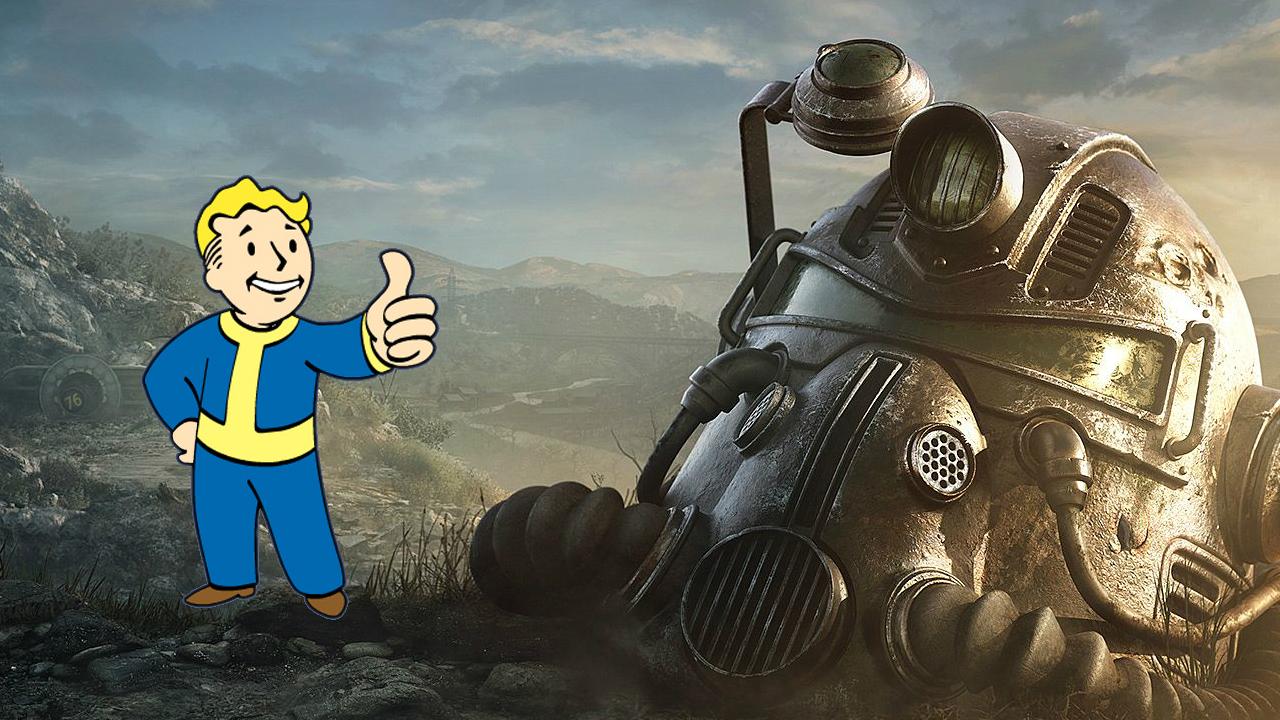
Over time, the game has evolved through updates that expanded its systems and added narrative depth. New characters, factions, and storylines helped balance the multiplayer foundation with stronger role-playing elements. This ongoing evolution reflects the core theme of the game itself: growth through effort and adaptation.
Fallout 76 Items is about responsibility and hope. It challenges players to think beyond simple survival and consider what kind of world they want to help rebuild. By blending exploration, survival mechanics, and community-driven experiences, Fallout 76 delivers a message that even after catastrophic failure, renewal is possible. The wasteland may be broken, but it is not beyond saving.

 Arabic
 French
 Spanish
 Portuguese
 Deutsch
 Turkish
 Dutch
Dutch
 Italiano
 Russian
 Romaian
 Portuguese (Brazil)
 Greek
Greek