


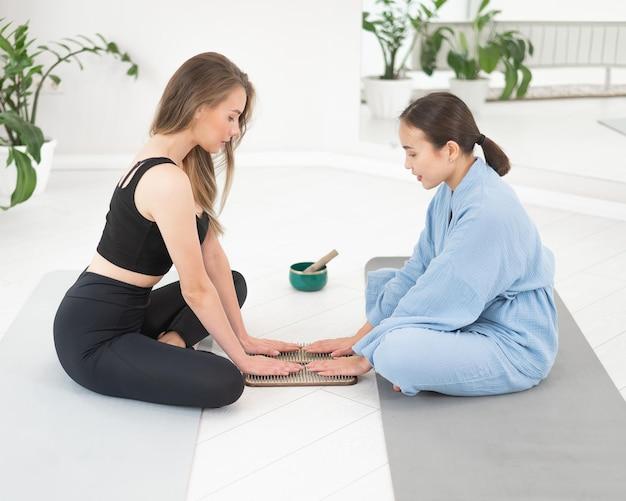
In the rapidly evolving world of education, academic achievement alone is no longer sufficient to prepare students for the challenges of life. Schools today are recognizing the importance of nurturing the whole child emotionally, physically, socially, and cognitively. Integrating a holistic approach to wellness in education ensures that students are supported in every aspect of their growth. This approach encourages not only intellectual development but also emotional resilience, physical health, and social competency.
Institutions adopting a community partnership school model leverage collaborations with local organizations, families, and health professionals to provide comprehensive wellness support. From mindfulness exercises to fitness programs and nutrition education, holistic wellness practices are becoming an essential part of modern educational environments. In this blog, we explore the significance of integrating these practices and how they benefit students, educators, and the wider community.
Enhancing Mental and Emotional Well-Being
Reducing Stress and Anxiety
One of the primary benefits of a holistic approach to wellness is its impact on mental health. Mindfulness activities, breathing exercises, and reflective practices help students manage stress and reduce anxiety. These tools provide children with coping mechanisms that improve focus and academic engagement.
Promoting Emotional Intelligence
Holistic wellness encourages students to recognize and express their emotions constructively. Through guided emotional literacy programs and supportive classroom environments, children develop empathy, self-awareness, and emotional resilience. This is further strengthened in a community partnership school, where counseling and mentorship opportunities are embedded into daily routines.
Fostering Positive Coping Strategies
Wellness practices teach students how to deal with challenges in healthy ways. Incorporating tools such as journaling, guided meditation, or peer support circles equips children to navigate difficulties, enhancing their overall sense of well-being.
Supporting Physical Health and Healthy Habits
Incorporating Regular Physical Activity
Physical health is a cornerstone of holistic education. Schools that prioritize wellness integrate activities such as yoga, aerobic exercises, and team sports into daily schedules. Students in community partnership schools often have access to additional resources like gym facilities or expert-led fitness programs, ensuring consistent engagement.
Nutrition Education and Healthy Choices
A holistic approach to wellness includes understanding the relationship between nutrition and well-being. Programs teaching balanced diets, hydration, and mindful eating instill lifelong habits that support energy, concentration, and growth.
Preventing Lifestyle-Related Health Issues
Embedding fitness routines and wellness practices reduces the risk of obesity, cardiovascular issues, and sedentary-lifestyle problems. Students who adopt these habits early are more likely to maintain health-conscious routines into adulthood.
Promoting Academic Growth and Cognitive Development
Enhancing Focus and Learning Outcomes
Wellness practices positively affect cognitive function. Techniques such as mindfulness, movement breaks, and structured reflection improve concentration, memory retention, and problem-solving skills. These benefits are observed in community partnership schools, where students have integrated support for both learning and well-being.
Encouraging Creativity and Critical Thinking
Holistic programs often include arts, music, and exploratory projects. Engaging in creative expression fosters innovation, flexible thinking, and a willingness to experiment skills essential for academic and professional success.
Supporting Lifelong Learning Skills
Students exposed to a holistic approach to wellness develop self-regulation, goal-setting abilities, and persistence. These skills translate into better study habits, improved academic performance, and a proactive attitude toward lifelong learning.
Fostering Social Skills and Community Engagement
Building Effective Communication Skills
Group discussions, peer collaboration, and cooperative projects help students express ideas clearly and respectfully. Wellness-focused environments encourage active listening and empathy, key components of a holistic approach to wellness.
Encouraging Teamwork and Cooperation
Participation in collaborative activities teaches students the value of teamwork. Sports, group challenges, and service-learning initiatives enhance students’ ability to work together, resolve conflicts, and celebrate shared success.
Strengthening Community Ties
A community partnership school connects students to families, local organizations, and mentors. These networks foster a sense of belonging, social responsibility, and civic engagement, creating well-rounded individuals invested in the health of their communities.
Suggestions for Implementing Holistic Wellness in Schools
-
Incorporate mindfulness, yoga, and fitness programs into the daily curriculum.
-
Partner with local health organizations and wellness experts to enhance resources.
-
Provide professional development for educators on emotional intelligence and student wellness.
-
Offer family engagement workshops to reinforce wellness practices at home.
-
Integrate arts, music, and creative projects to complement physical and emotional development.
Frequently Asked Questions
What is a holistic approach to wellness?
It is an approach that nurtures the mind, body, and emotions together for overall student well-being.
How does wellness benefit academic performance?
Wellness practices improve focus, memory, and problem-solving skills.
What is a community partnership school?
A school that collaborates with local organizations and families to provide comprehensive support.
Are holistic practices suitable for all students?
Yes, they can be adapted to different ages, abilities, and learning styles.
Can wellness programs impact long-term habits?
Yes, students learn skills and routines that support lifelong health and resilience.
Conclusion
Integrating wellness practices into education is no longer optional it is essential. A holistic approach to wellness ensures students are nurtured physically, mentally, and emotionally, while the community partnership school model amplifies these benefits by connecting resources, families, and professionals. By prioritizing wellness alongside academics, educators create environments where children thrive, develop resilience, and grow into confident, well-rounded individuals. Organizations such as the Youth Wellness Initiative continue to emphasize that supporting holistic wellness in schools is a key strategy for shaping healthier, happier, and more capable generations.

 Arabic
 French
 Spanish
 Portuguese
 Deutsch
 Turkish
 Dutch
Dutch
 Italiano
 Russian
 Romaian
 Portuguese (Brazil)
 Greek
Greek