


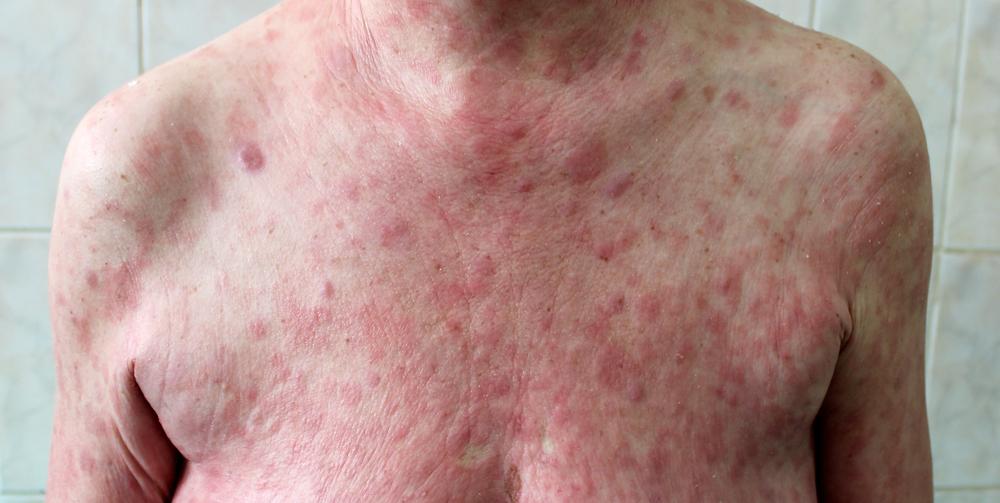
Cutaneous T-cell lymphoma (CTCL) is a rare type of cancer that primarily affects the skin. It can appear as red patches, plaques, or thickened skin, often causing itching and discomfort. Your immune system plays a crucial role in how this disease develops and progresses. Understanding immune health is essential because it not only influences symptoms but also affects the success of treatment.
When exploring treatment options for cutaneous T-cell lymphoma, doctors consider both medical interventions and ways to support the immune system. While the disease itself originates in T-cells, how your body responds can significantly impact outcomes. Patients who maintain strong immune health may respond better to therapies and experience fewer complications.
What Is Cutaneous T-Cell Lymphoma?
CTCL is a type of non-Hodgkin lymphoma that starts in T-cells, a vital component of your immune system. Unlike other lymphomas, CTCL primarily appears in the skin first. Early symptoms are often subtle, making early diagnosis a challenge.
Common signs include:
- Persistent red patches or plaques on the skin
- Itching or discomfort that can be severe
- Thickened or scaly areas, often in sun-protected zones
In its early stages, CTCL may resemble eczema or psoriasis. Over time, the disease can advance, leading to tumors and potential involvement of lymph nodes. Recognizing early signs and seeking prompt medical advice can improve treatment success. Patients are encouraged to monitor changes in their skin and report new symptoms to their healthcare providers.
The Role of the Immune System in CTCL
CTCL arises when T-cells, which usually protect the body from infections and cancer, begin to behave abnormally. These malignant T-cells can accumulate in the skin, causing the characteristic patches and plaques. A well-functioning immune system can sometimes slow disease progression, while immune dysregulation can accelerate it.
Normally, T-cells patrol the body, identifying and eliminating abnormal cells. In CTCL, this process is impaired, allowing cancerous cells to persist. Chronic inflammation from the immune system may worsen skin lesions and discomfort.
Key points about immune involvement include:
- Abnormal T-cell activity leads to skin changes: Malignant T-cells behave differently from normal immune cells, accumulating in the skin and forming the characteristic patches, plaques, and sometimes tumors.
- Reduced immune response allows malignant cells to multiply: When the immune system cannot properly recognize or eliminate abnormal T-cells, these cancerous cells can grow unchecked, contributing to disease progression.
- Chronic inflammation may intensify symptoms: Persistent immune activation can worsen skin irritation, itching, and discomfort, making flare-ups more noticeable during periods of stress or illness.
- Immune function impacts flare-ups and overall progression: Patients often find that infections, stress, or other immune challenges can trigger symptom flare-ups, highlighting the importance of supporting immune health alongside medical treatment.
Patients often notice that flare-ups coincide with periods of stress or illness, highlighting the immune system’s role in disease progression. Supporting immune health is therefore a critical component of overall management.
Common Treatment Approaches
Treating CTCL requires a combination of therapies tailored to disease stage and patient health. Many approaches focus on controlling skin symptoms while supporting the immune system.
- Topical Treatments: Corticosteroids and retinoids are applied directly to lesions to reduce inflammation and slow cell growth.
- Phototherapy: Controlled exposure to UVA or UVB light can target affected skin areas without harming surrounding tissue.
- Systemic Medications: Oral or intravenous drugs may regulate T-cell activity or suppress disease progression.
- Biologics: Newer therapies train the immune system to better target malignant cells.
Additionally, doctors often combine these therapies for better results. The choice depends on factors such as disease severity, patient age, and overall health. Regular follow-ups allow adjustments based on response and side effects.
Lifestyle and Immune Support for Patients
Supporting immune health outside of medical treatment can play a key role in improving overall quality of life and may even help therapies work more effectively. While medical treatments such as immunotherapy or phototherapy target the disease directly, lifestyle factors influence how well your body responds to these treatments. Small, consistent changes can make a meaningful difference in energy levels, symptom management, and overall well-being.
Practical tips include:
- Eating a balanced diet: Focus on fruits, vegetables, lean proteins, and whole grains. These provide essential nutrients and antioxidants to support immune function and reduce inflammation.
- Staying active: Gentle exercise like walking, yoga, or stretching improves circulation, boosts energy, and helps the immune system function efficiently.
- Prioritizing sleep: Aim for 7–9 hours per night. A consistent schedule and a relaxing bedtime routine help the body repair and regulate immune activity.
- Managing stress: Techniques like meditation, journaling, or light hobbies can calm the mind, lower stress, and support overall well-being.
Patients should always consult their healthcare providers before making major lifestyle changes, especially if they are undergoing systemic therapies or immunotherapy.Even moderate improvements in diet, exercise, sleep, and stress management can support immune health, improve tolerance to treatments, and enhance overall quality of life.
Immune-Based Therapies and Research
Emerging treatments for CTCL increasingly focus on harnessing the immune system. Immunotherapy, for example, can enhance the body’s natural ability to fight malignant T-cells. These therapies work by:
- Boosting T-cell activity against cancerous cells: Some therapies stimulate T-cells directly, enabling them to recognize and attack malignant cells more effectively.
- Reducing immune suppression caused by the disease: CTCL can impair normal immune function, leaving patients more vulnerable to infections. Certain immunotherapies help restore a balanced immune environment.
- Combining with other treatments for improved results: Immunotherapy is often used alongside phototherapy, targeted therapies, or chemotherapy to increase treatment effectiveness and reduce disease progression.
Clinical trials continue to explore innovative approaches that may improve survival and reduce side effects. Research aims to personalize therapy so it works better for each patient based on immune health and disease stage. Staying informed about ongoing studies can provide opportunities for patients to access cutting-edge care.
Conclusion
Immune health plays a central role in managing cutaneous T-cell lymphoma. From disease progression to treatment outcomes, the strength and regulation of your immune system influence every step. While medical therapies remain essential, supporting immunity through lifestyle and staying informed about emerging research can make a meaningful difference.
At NHO Revive, we are committed to providing patients with guidance, research opportunities, and personalized care. Whether exploring conventional therapies or clinical trials, our team supports your journey with CTCL. Patients can also explore current research for follicular lymphoma to learn more about immune-based strategies in related conditions.

 Arabic
 French
 Spanish
 Portuguese
 Deutsch
 Turkish
 Dutch
Dutch
 Italiano
 Russian
 Romaian
 Portuguese (Brazil)
 Greek
Greek