


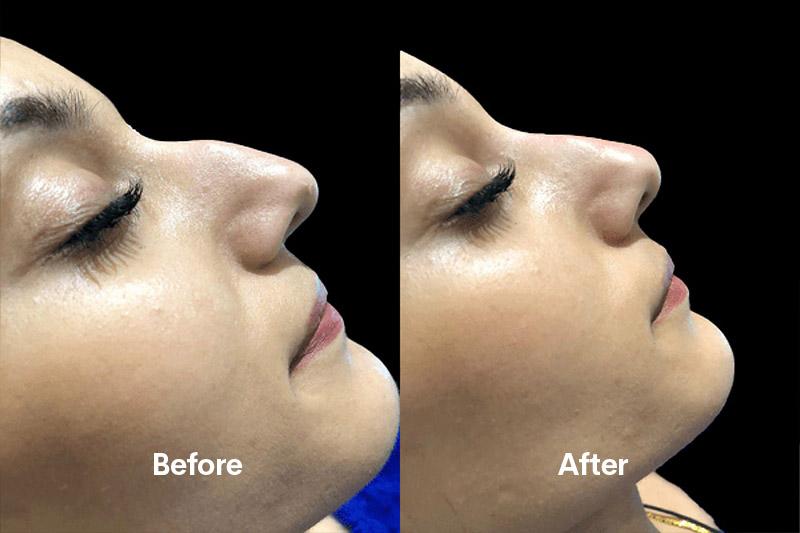
Embarking on a journey to refine your profile is an exciting step toward self-confidence. However, the success of your transformation doesn't end when you leave the operating room. The healing phase is arguably the most critical part of the process, requiring patience, discipline, and expert guidance. For those undergoing Rhinoplasty in Riyadh, understanding the recovery timeline is essential to managing expectations and ensuring the best possible aesthetic and functional results. Riyadh’s top-tier clinics provide comprehensive aftercare, but knowing what to expect day-by-day can help you navigate the process with ease and peace of mind.
The Immediate Aftermath: The First 48 Hours
The first two days following your surgery are often the most challenging, as your body begins its natural inflammatory response. In Riyadh’s climate, staying indoors in a temperature-controlled environment is highly recommended during this period.
-
Nasal Packing and Splints: You will likely wake up with a small plastic or metal splint on the outside of your nose and, in some cases, soft silicone "packing" inside your nostrils. These are essential for maintaining the new internal structure.
-
Congestion: Expect to feel very "stuffed up." Since you cannot blow your nose, you will need to breathe through your mouth, which can lead to a dry throat. Keeping a humidifier nearby can be very helpful.
-
Head Elevation: You must sleep with your head elevated at a 30-45 degree angle. This is non-negotiable, as it significantly reduces the intensity of facial swelling and prevents fluid from pooling around the eyes.
Week 1: The Road to the First "Reveal"
By the end of the first week, most patients in Riyadh notice a significant shift in their comfort levels. This week is defined by the first follow-up appointment, which many consider the most exciting milestone.
-
Splint Removal: Usually between Day 6 and Day 8, your surgeon will remove the external splint. While the nose will be visibly swollen, you will catch your first glimpse of the new shape.
-
Fading Bruises: The "black eyes" or yellowing around the lower lids typically begins to fade by Day 7.
-
Gentle Cleaning: You will be instructed on how to use saline sprays and Q-tips with antibiotic ointment to gently clean the edges of your nostrils and any external sutures.
Month 1: Returning to the Riyadh Lifestyle
Most patients feel confident enough to return to work or social gatherings in Riyadh after 10 to 14 days. However, internal healing is still very much in progress.
What You Can Do
-
Light Activity: You can resume light walking. In fact, gentle movement is encouraged to promote healthy blood circulation.
-
Socializing: With the help of a little concealer, most post-surgical signs are invisible to the casual observer by the end of week three.
What to Avoid
-
Strenuous Exercise: Heavy lifting or high-intensity interval training (HIIT) can increase blood pressure to the face, causing "throbbing" and increased swelling.
-
Eyeglasses: Avoid resting heavy glasses or sunglasses directly on the bridge of your nose for at least 4 to 6 weeks. Many patients in Riyadh use "bridge protectors" or tape their glasses to their forehead.
-
Sun Exposure: The intense Riyadh sun can cause permanent pigmentation changes to healing skin. Always wear a wide-brimmed hat and apply high-SPF sunscreen once cleared by your doctor.
The Long-Term Horizon: 3 Months to 1 Year
It is a common misconception that the "final" result is visible after a month. In reality, the nose is the slowest part of the body to heal.
-
The 3-Month Mark: Approximately 90% of the swelling will have dissipated. The bridge of the nose will look quite settled, though the tip may still feel firm or slightly "numb" to the touch.
-
The 6-Month Mark: Any residual internal swelling usually resolves, and breathing feels completely natural and clear.
-
The 1-Year Milestone: This is when you see the "masterpiece." The skin has fully adapted to the underlying framework, and the final definition of the nasal tip is revealed.
Recovery Comparison: Open vs. Closed Rhinoplasty
The type of surgical approach used by your Riyadh specialist will slightly influence your recovery experience.
| Feature | Open Rhinoplasty | Closed Rhinoplasty |
| Swelling Duration | Generally longer (especially at the tip) | Subsides more quickly |
| Incision Care | Requires cleaning a small external scar | All incisions are internal |
| Visibility of Results | Final definition may take the full year | Initial results appear sooner |
| Numbness | Tip numbness can last several months | Numbness is typically minimal |
Expert Tips for a Faster Recovery in Riyadh
To optimize your results and speed up the healing process, consider these clinical tips:
-
Low-Sodium Diet: High salt intake leads to water retention, which exacerbates facial swelling. Stick to fresh, whole foods for the first two weeks.
-
Stay Hydrated: Drinking 2-3 liters of water daily helps flush out toxins and keeps the nasal mucosa from becoming too dry.
-
Avoid Spicy Foods: For the first 14 days, avoid the spicy traditional dishes that might cause a runny nose or sneezing, as both can put pressure on internal sutures.
-
No Smoking: Nicotine constricts blood vessels, which can lead to poor wound healing or even tissue necrosis. You must abstain for at least 4 weeks post-op.
Conclusion: Patience is the Key to Beauty
Recovering from Rhinoplasty in Riyadh is a marathon, not a sprint. While the initial week requires rest and care, the subsequent months are about allowing your body to slowly unveil the refined profile you’ve envisioned. By following your surgeon’s post-operative instructions to the letter and protecting your nose from trauma and sun, you ensure that your transformation is both safe and stunning.
Remember, the swelling is temporary, but the confidence gained from a harmonious profile is permanent.

 English
 Arabic
 French
 Spanish
 Portuguese
 Deutsch
 Turkish
 Italiano
 Russian
 Romaian
 Portuguese (Brazil)
 Greek
Greek