


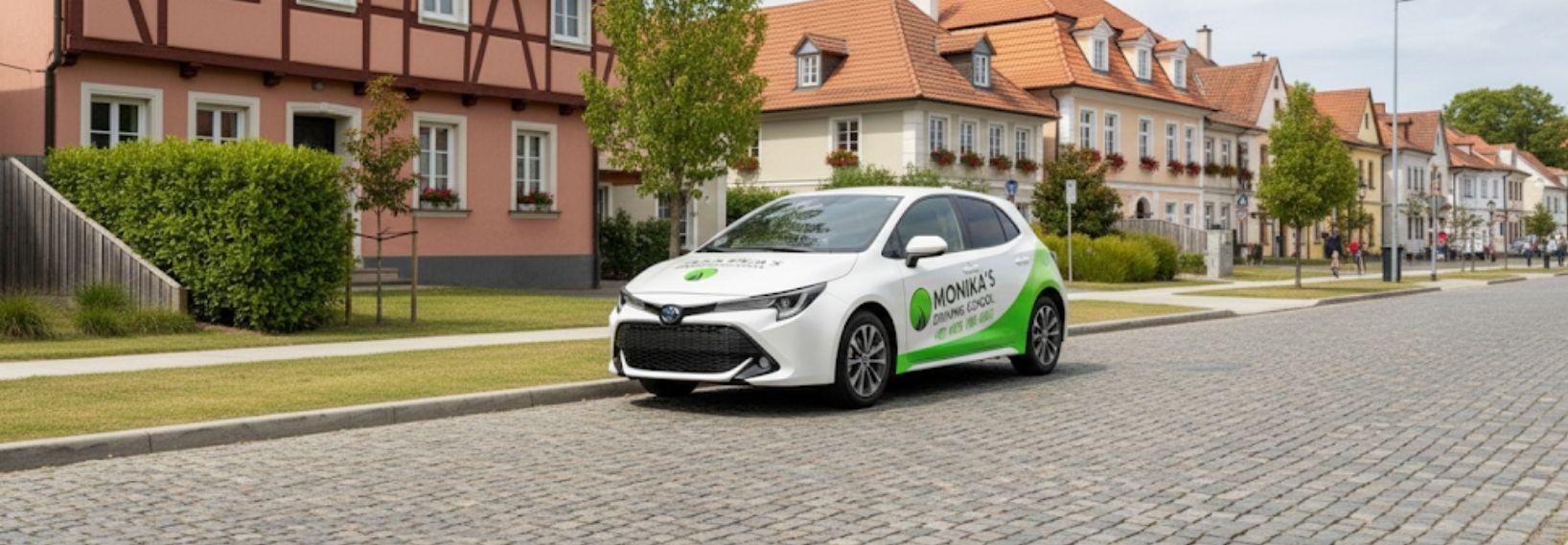
Learning to drive in Melbourne presents unique challenges that learner drivers often underestimate. The city's dense traffic, complex road systems, and unpredictable weather conditions create a high-pressure environment for new drivers. Many learner drivers in Melbourne struggle with foundational driving techniques and decision-making skills, leading to failed tests, dangerous situations, and loss of confidence. This is precisely why choosing a best driving school Melbourne can make all the difference in your learning journey. Understanding the most common mistakes learner drivers make is the first step toward avoiding them and developing the safe, confident driving skills you need.
The Five Most Common Mistakes Learner Drivers Make
Mistake 1: Poor Observation and Scanning Habits
Many learner drivers focus too narrowly on the road directly ahead, missing critical information from their mirrors, peripheral vision, and blind spots.
Why This Happens
New drivers often feel overwhelmed by the volume of information available while driving. They tend to fixate on one area—usually the road ahead—as a way to manage this cognitive load. This tunnel vision is a natural reaction but a dangerous habit to develop.
The Real-World Problem
Melbourne's busy intersections and multi-lane roads require constant awareness. Missing a car in your blind spot could result in a collision, especially when changing lanes on the Monash Freeway or navigating the CBD.
How to Fix It
Practice the systematic scanning technique: check your mirrors every 5-10 seconds, scan left and right before turning, and always physically turn your head to check blind spots. Make mirror checking automatic by developing a routine. Your instructor at a best driving school Melbourne will reinforce this habit throughout your lessons until it becomes second nature.
Mistake 2: Inadequate Speed Management
Learner drivers frequently either drive too slowly, creating hazards for other road users, or struggle to judge appropriate speeds for different conditions.
Why This Happens
Many learners feel safer driving below the speed limit, believing it gives them more reaction time. While caution is important, driving significantly slower than traffic flow is actually dangerous and causes frustration for other drivers. Conversely, some learners accelerate too quickly on open roads without considering road conditions.
The Real-World Problem
In Melbourne's diverse environments—from suburban streets to highway driving—speed management is critical. Driving 20 km/h below the limit on the Western Highway can cause accidents, while failing to slow down in wet conditions during Melbourne's rainy months is equally risky.
How to Fix It
Learn to match your speed to road conditions, not just the speed limit. In dry conditions, aim to drive at or near the limit. In rain, fog, or heavy traffic, reduce speed appropriately. Practice on different road types and in various weather conditions. Ask your instructor to specifically address speed management strategies tailored to Melbourne's roads.
Mistake 3: Poor Lane Discipline and Positioning
Many learner drivers struggle with maintaining proper lane position, drifting toward the center line or road edges, and making hesitant or incorrect lane changes.
Why This Happens
Lane positioning requires fine motor control and confidence that many new drivers haven't developed. Additionally, learners often aren't taught the reasoning behind specific positioning techniques, so they don't understand why it matters.
The Real-World Problem
Careless lane positioning in Melbourne creates confusion for other drivers. Drifting into another lane can cause collisions on multi-lane roads, and poor positioning at intersections can prevent drivers behind you from making safe decisions.
How to Fix It
Focus on keeping your car centered in your lane, using the painted lines as guides. For lane changes, use the mirror-signal-position-mirror-blind spot check sequence. Practice this on quiet roads first, then gradually move to busier traffic. Understand that smooth, deliberate movements are safer than abrupt ones.
Mistake 4: Ineffective Braking and Acceleration
Learner drivers often brake too abruptly, accelerate unevenly, or fail to plan ahead, resulting in jerky, uncomfortable driving that can unsettle both the vehicle and passengers.
Why This Happens
New drivers lack the experience to anticipate traffic changes and plan smooth transitions. Many rely on reactive braking rather than proactive planning, responding to situations only after they've already developed.
The Real-World Problem
Erratic braking and acceleration in Melbourne's stop-start city traffic wastes fuel, increases wear on the vehicle, and makes other road users uncomfortable. During test conditions, examiners specifically assess your ability to brake and accelerate smoothly.
How to Fix It
Look further ahead and anticipate changes in traffic flow. When slowing down, apply gentle, sustained brake pressure rather than hard, sudden stopping. When accelerating, do so smoothly and gradually. Think of your accelerator and brake as sensitive controls, not on-off switches. Practice on quiet roads, focusing entirely on smooth transitions.
Mistake 5: Not Practicing Enough in Challenging Conditions
Many learner drivers complete their supervised hours primarily on familiar, quiet roads, avoiding wet weather, heavy traffic, and challenging intersections.
Why This Happens
Both learners and supervising drivers naturally prefer safer, easier conditions. There's less stress, fewer mistakes, and more confidence. However, avoiding challenging conditions means learners aren't adequately prepared for real-world driving.
The Real-World Problem
Your driving test could occur in any weather or traffic condition. If you haven't practiced in rain, at night, in heavy traffic, or at complex intersections, you'll be unprepared when it matters most. Melbourne's variable weather makes this especially important.
How to Fix It
Deliberately practice in challenging conditions once you've built foundational skills. Drive in rain, after dark, during peak traffic times, and on unfamiliar roads. Spend time at intersections you find difficult. This builds genuine confidence and competence. Many learners benefit from professional instruction for challenging scenarios—instructors from a best driving school Melbourne are trained to guide you through these situations safely.
When Professional Instruction Makes a Difference
While supervised driving with family is valuable, professional driving instructors bring structured expertise and objective feedback. They identify bad habits early, teach techniques specific to Melbourne's roads, and help you progress at an appropriate pace. If you're struggling with any of these mistakes after significant practice, professional lessons can accelerate your improvement.
Conclusion
Learning to drive is a skill that develops through intentional practice and quality instruction. The mistakes outlined here are correctable, and most learner drivers who address them early go on to become safe, confident drivers. Focus on building strong foundational habits—proper observation, smooth vehicle control, and proactive decision-making. With consistent practice across varied conditions and professional guidance when needed, you'll be well-prepared for both your test and a lifetime of safe driving in Melbourne.

 English
 Arabic
 French
 Spanish
 Portuguese
 Deutsch
 Turkish
 Dutch
Dutch
 Italiano
 Romaian
 Portuguese (Brazil)
 Greek
Greek