


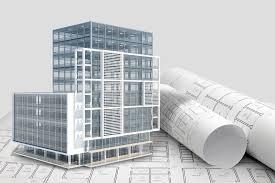
The construction industry in the UAE has witnessed a significant transformation over the last decade, with an increasing focus on sustainability, energy efficiency, and smart building technologies. As cities like Dubai and Abu Dhabi push for environmentally responsible development, the integration of Building Information Modeling (BIM) has become critical for designing, constructing, and managing sustainable and smart buildings. BIM models provide a comprehensive digital representation of a building, allowing stakeholders to visualize, simulate, and optimize performance across the building’s lifecycle.
For developers, architects, and facility managers in the UAE, BIM is more than a design tool—it is a strategic solution for improving efficiency, ensuring compliance with green building standards, and supporting advanced smart building operations. Companies like AEC7D specialize in BIM services that integrate sustainability and smart technology considerations into every stage of the project.
Understanding BIM Models
A BIM model is a digital, three-dimensional representation of a building that includes information about geometry, spatial relationships, materials, structural components, mechanical systems, and operational data. Unlike traditional 2D drawings, BIM models are dynamic and data-rich, enabling stakeholders to collaborate effectively and make informed decisions.
BIM models can also incorporate energy performance data, environmental simulations, and smart building integrations. This makes them an essential tool for designing sustainable and technologically advanced buildings that meet the growing demands of UAE developers and occupants.
Supporting Sustainable Design Through BIM
Sustainability is a central consideration in modern UAE construction projects. BIM models allow architects and engineers to assess the environmental impact of design decisions before construction begins. By simulating energy consumption, daylight exposure, thermal performance, and water usage, BIM enables designers to optimize building systems for efficiency.
For example, HVAC systems can be modeled in BIM to evaluate energy efficiency under different climate conditions. Lighting designs can be simulated to reduce electricity consumption while maintaining occupant comfort. BIM models also allow teams to select eco-friendly materials and construction techniques, reducing the overall carbon footprint of the building.
AEC7D leverages BIM technology to support sustainable design strategies that align with local regulations, including Estidama in Abu Dhabi and Dubai Green Building Regulations, ensuring compliance while achieving energy-efficient outcomes.
Enhancing Energy Efficiency and Resource Management
Energy efficiency is a critical factor for sustainable buildings in the UAE due to the region’s high cooling demands and energy-intensive operations. BIM models provide precise data for energy modeling and optimization. Designers can simulate heating, cooling, ventilation, and lighting loads to determine the most efficient systems for each building zone.
Resource management, including water consumption and material use, is also enhanced through BIM. Plumbing systems can be modeled to optimize water efficiency, while material selection and quantity take-offs reduce waste during construction. These optimizations not only minimize environmental impact but also reduce operational costs over the building’s lifecycle.
Enabling Smart Building Integration
Smart buildings rely on interconnected systems that enhance operational efficiency, occupant comfort, and safety. BIM models act as a central repository of building data, facilitating the integration of smart technologies such as IoT devices, automated controls, and building management systems (BMS).
For instance, sensors for temperature, lighting, and occupancy can be linked to the BIM model to simulate and control building operations in real time. Predictive maintenance strategies can be implemented using data from the BIM model, reducing downtime and extending equipment lifespan.
AEC7D integrates smart building features within BIM models, allowing developers to design buildings that are not only sustainable but also technologically advanced and responsive to user needs.
Supporting Compliance and Green Certifications
Sustainable building regulations and certifications play an important role in UAE construction projects. BIM models help architects and engineers ensure compliance with Estidama, LEED, and other international green building standards. These models allow teams to verify energy performance, water efficiency, and material selection in line with regulatory requirements.
By incorporating compliance checks into the BIM model, developers can avoid costly redesigns and approval delays. This proactive approach ensures that sustainable building goals are met efficiently and transparently.
Enhancing Collaboration Across Stakeholders
One of the major advantages of BIM models is improved collaboration among architects, engineers, contractors, and facility managers. In sustainable and smart building projects, multiple disciplines must work together to coordinate design decisions, system integration, and performance targets.
BIM provides a shared platform where all stakeholders can access the same data, detect conflicts early, and make informed decisions. For example, coordination between structural and MEP systems ensures that energy-efficient solutions are implemented without compromising structural integrity or functionality.
This collaborative approach reduces errors, enhances efficiency, and supports the successful delivery of sustainable and smart buildings in the UAE.
Facilitating Lifecycle Management and Maintenance
Sustainability extends beyond design and construction to include building operation and maintenance. BIM models serve as a digital twin of the building, providing ongoing insights into energy usage, system performance, and maintenance needs.
Facility managers can use BIM data to monitor building systems, schedule preventive maintenance, and optimize resource consumption. This approach improves operational efficiency, reduces maintenance costs, and extends the building’s lifecycle.
For smart buildings, BIM supports the integration of analytics and IoT monitoring, ensuring that systems continue to perform optimally while meeting sustainability objectives.
Reducing Construction Waste and Costs
BIM models also contribute to sustainability by minimizing construction waste. Accurate 3D modeling and quantity take-offs allow teams to order precise amounts of materials, reducing excess and avoiding environmental harm.
Clash detection within the BIM model prevents errors during construction that could lead to rework and material wastage. By optimizing construction processes, BIM reduces costs, timelines, and environmental impact.
Companies like AEC7D utilize BIM to streamline construction workflows while prioritizing sustainable practices, delivering value to both developers and the environment.
Supporting Data-Driven Decision Making
Data is at the heart of sustainable and smart building practices. BIM models provide detailed, real-time information that supports data-driven decisions throughout the project lifecycle.
Design decisions can be tested through simulations to evaluate environmental performance, energy efficiency, and system integration. Operational data from smart systems can be fed back into the BIM model to continuously improve performance and sustainability.
This evidence-based approach ensures that buildings meet ambitious sustainability goals while delivering comfort, safety, and operational efficiency.
Conclusion
BIM models are indispensable for developing sustainable and smart buildings in the UAE. They enable precise planning, simulation, and coordination across mechanical, electrical, and structural systems while ensuring compliance with local and international regulations. From energy efficiency and resource management to smart building integration and lifecycle maintenance, BIM technology enhances comfort, safety, and environmental responsibility.
Providers like AEC7D specialize in delivering BIM solutions that integrate sustainability and smart technology into every stage of construction, helping developers create high-performance buildings that meet the UAE’s growing demand for green, efficient, and intelligent infrastructure. By leveraging BIM models, stakeholders can achieve environmentally responsible and technologically advanced projects that set new standards in the UAE’s construction industry.

 Arabic
 French
 Spanish
 Portuguese
 Deutsch
 Turkish
 Dutch
Dutch
 Italiano
 Russian
 Romaian
 Portuguese (Brazil)
 Greek
Greek