


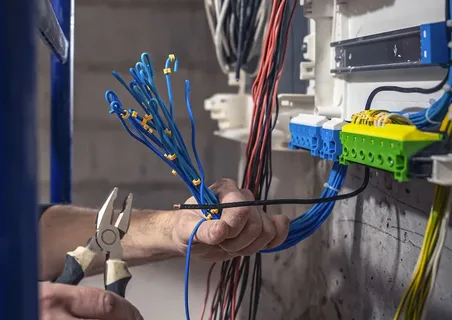
Energy efficiency in new construction is no longer limited to insulation and windows. Electrical wiring plays a major role in how efficiently a home uses power every single day. In New York, where energy costs continue to rise and building standards evolve, wiring decisions made during construction directly affect monthly bills, comfort, and long-term sustainability.
Efficient wiring is not about cutting corners or limiting power. It is about designing systems that deliver electricity with minimal waste while supporting modern living needs. New construction provides the ideal opportunity to build this efficiency into the home from the ground up.
Why Wiring Efficiency Starts Before the Walls Go Up
Once framing begins, wiring paths become fixed. Long cable runs, poorly planned circuits, or overcrowded panels can quietly drain energy over time.
Energy-efficient wiring focuses on smart routing and balanced distribution. Shorter wire paths reduce resistance. Balanced loads prevent heat buildup. These small technical choices have a lasting impact on how efficiently power moves through the home.
Modern Electrical Loads Demand Smarter Design
New homes consume power differently than older properties. High-efficiency appliances, smart systems, and home offices all place continuous demand on electrical systems.
Efficient wiring accounts for this by spreading loads across circuits instead of concentrating them. This reduces stress on components and improves overall system performance without limiting usage.
Circuit Planning That Reduces Power Waste
Overloaded or poorly balanced circuits waste energy through heat loss. Efficient wiring separates high-demand areas from low-demand spaces.
Kitchens, laundry rooms, and mechanical systems benefit from dedicated circuits sized specifically for their load. This approach improves efficiency while extending the lifespan of wiring components.
Panel Configuration and Energy Flow
The electrical panel acts as the distribution center for the entire home. Its size, layout, and organization influence how efficiently electricity is delivered.
An energy-efficient panel setup allows smoother power flow with fewer bottlenecks. Clear circuit separation also simplifies future upgrades without disrupting existing efficiency.
Wiring Materials and Their Impact on Efficiency
Material choice matters. Modern copper wiring offers lower resistance and better durability, which helps maintain consistent energy delivery.
Correct wire sizing is equally important. Undersized wiring increases resistance and energy loss. Oversized wiring increases cost without benefit. Efficient design finds the right balance based on real usage needs.
Designing for Controlled Power Usage
Energy efficiency is not only about wiring itself but how power is controlled. Well-planned wiring supports zoned lighting, smart switches, and programmable controls.
These features allow homeowners to use energy only where and when it is needed. Proper wiring ensures these systems work reliably without unnecessary power draw.
During construction, there is a point where electrical efficiency is either locked in or lost. This is when wiring routes, circuit grouping, and panel capacity are finalized.
Some homeowners choose a full home wiring installation in New Paltz at this stage to ensure efficiency is designed intentionally rather than assumed. At this point, small layout choices can prevent years of unnecessary energy waste.
Supporting High-Efficiency Appliances
Energy-efficient homes often include advanced appliances that require stable and properly sized power delivery. Poor wiring can prevent these appliances from operating at peak efficiency.
Efficient wiring ensures that appliances receive consistent voltage, reducing wear and improving performance. This directly affects energy consumption and operating costs.
Lighting Efficiency Through Electrical Design
Lighting efficiency is heavily influenced by wiring layout. Strategic switch placement, proper circuit grouping, and compatibility with modern lighting systems all matter.
Efficient wiring allows lighting to be controlled precisely without over-illuminating unused spaces. This improves comfort while reducing energy usage.
Preparing Homes for Energy Management Systems
Many new homes now incorporate energy monitoring and management tools. These systems rely on accurate wiring layouts to function correctly.
Efficient wiring supports real-time monitoring, load tracking, and automated adjustments. This gives homeowners greater control over energy usage without manual effort.
Reducing Heat Loss Within Electrical Systems
Heat is a form of wasted energy. Inefficient wiring generates excess heat due to resistance and overload.
Energy-efficient wiring minimizes this loss by using proper routing, spacing, and load distribution. Cooler systems operate more efficiently and last longer.
Long-Term Cost Benefits of Efficient Wiring
Efficient wiring reduces monthly energy costs, but its financial impact extends further. Lower system stress reduces maintenance needs and repair frequency.
Over time, these savings accumulate, making efficient wiring one of the most cost-effective construction decisions homeowners can make.
Meeting New York’s Efficiency Expectations
New York’s construction standards increasingly emphasize efficiency. Homes that meet or exceed these expectations are better positioned for future regulations and incentives.
Efficient wiring supports compliance while improving real-world performance. This alignment benefits homeowners both financially and functionally.
Energy Efficiency as a Resale Advantage
Buyers are becoming more aware of energy performance. Homes with efficient systems are more attractive in competitive markets.
Even when buyers cannot see wiring directly, they experience its benefits through lower bills and smoother performance. That experience adds value.
A Smarter Electrical Foundation
Energy-efficient wiring does not restrict how a home is used. It enhances how power supports daily life.
By designing wiring systems with efficiency in mind, new homes become more comfortable, economical, and future-ready.
Building Homes That Use Energy Wisely
New construction is the best time to build efficiency into a home’s electrical system. Once complete, good wiring quietly works every day without attention.
Energy-efficient wiring options help New York homeowners create homes that perform better now and remain efficient for years to come.

 English
 Arabic
 Spanish
 Portuguese
 Deutsch
 Turkish
 Dutch
Dutch
 Italiano
 Russian
 Romaian
 Portuguese (Brazil)
 Greek
Greek