


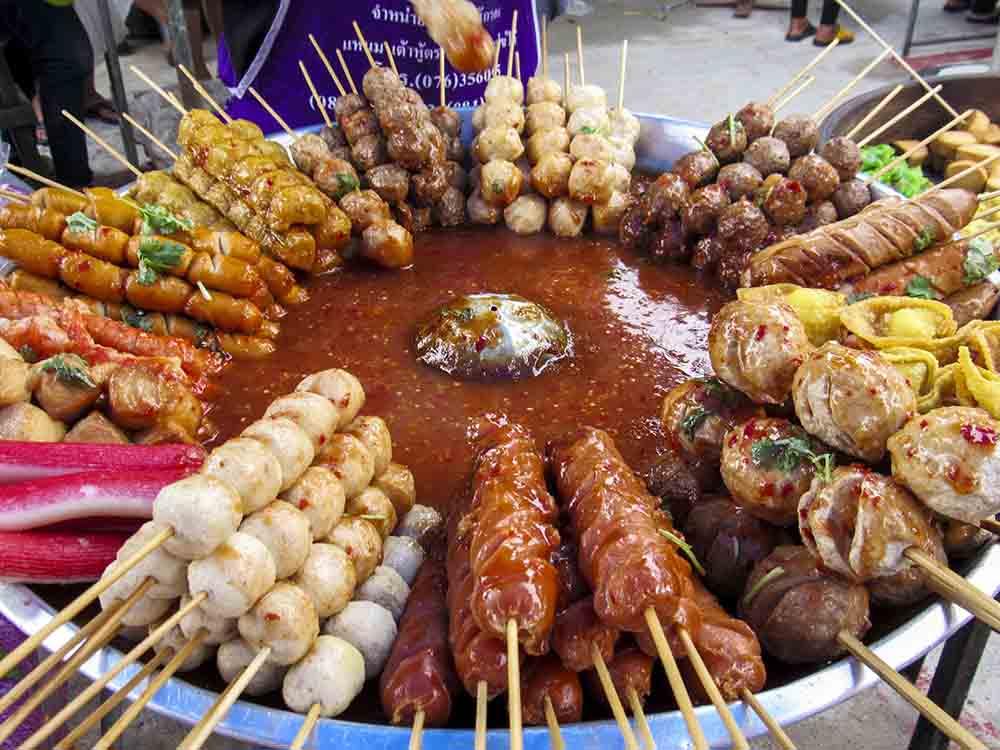
Asian street food has transformed from a local, everyday eating experience into a global culinary movement. Once found mainly in bustling night markets and roadside stalls, these bold, flavorful dishes are now featured in food festivals, modern restaurants, and international food halls. From Bangkok and Seoul to New York and London, Asian street food has captured the attention—and taste buds—of food lovers everywhere.
So what exactly makes Asian street food so popular? The answer lies in a powerful mix of affordability, authenticity, cultural storytelling, and unforgettable flavors.
A Deep Connection to Culture and Daily Life
Street food in Asia is not just about eating; it’s a reflection of everyday life. In many Asian countries, street food has always been the most practical way to eat. Busy workers, students, and families rely on street vendors for quick, satisfying meals made fresh on the spot.
Each dish tells a story about its region. Pad Thai reflects Thailand’s balance of sweet, sour, salty, and spicy. Takoyaki represents Japanese craftsmanship and attention to detail. Chaat in India showcases bold spices and layered textures. These foods are deeply rooted in tradition, passed down through generations of vendors who perfect their recipes over decades.
When people eat Asian street food, they’re not just tasting food—they’re experiencing culture.
Bold, Unforgettable Flavors
One of the biggest reasons for the rise of Asian street food is its intense and memorable flavor profile. Asian cuisines are known for using herbs, spices, sauces, and fermented ingredients in creative ways.
Street food doesn’t hold back. It’s meant to grab attention instantly. Sweet meets spicy, crunchy meets soft, smoky meets fresh. Whether it’s Korean tteokbokki coated in gochujang, Vietnamese banh mi layered with pickled vegetables, or Chinese skewers dusted with chili and cumin, every bite is designed to excite.
This boldness stands out, especially in contrast to more restrained or standardized fast-food options.
Affordable and Accessible
Asian street food is famously affordable. In its home countries, it’s designed to be accessible to everyone, regardless of income. This affordability has translated well internationally, where people are increasingly seeking high-quality food without high prices.
Small portions also play a role. Street food encourages sharing and sampling multiple dishes in one sitting. This makes it perfect for social dining and exploration, allowing people to try new flavors without committing to a full restaurant meal.
The low barrier to entry makes Asian street food especially appealing to younger audiences and adventurous eaters.
Visual Appeal and Social Media Influence
Street food is incredibly photogenic. Bright colors, sizzling grills, dramatic flames, and fresh garnishes make it ideal for photos and videos. Platforms like Instagram, TikTok, and YouTube have played a major role in popularizing Asian street food globally.
Watching a vendor stretch noodles by hand, torch sushi with a flame, or flip pancakes mid-air adds a sense of theater that draws people in. Food content creators often travel across Asia to document street food experiences, turning local dishes into viral sensations overnight.
This visual storytelling has helped elevate street food from local necessity to global trend.
Authenticity in a Modern World
In an era where people are increasingly skeptical of mass-produced food, Asian street food represents authenticity. It’s cooked in front of you, often by the same person who has been making that dish for years.
There’s no polished menu or scripted experience—just honest food made with skill and pride. This raw authenticity resonates strongly with modern consumers who value transparency and real experiences.
Many food lovers see street food as a more genuine way to explore a culture than fine dining.
Adaptability Without Losing Identity
Another reason for the rise of Asian street food is its ability to adapt while maintaining its essence. When these foods travel globally, they often evolve slightly to suit local tastes, dietary needs, or ingredient availability.
Yet the core identity remains intact. A ramen burger, fusion tacos, or modern dumpling variations still carry the soul of their original street versions. This balance between tradition and innovation allows Asian street food to thrive in diverse markets.
StixAsia has helped bring this experience to broader audiences by highlighting authentic Asian flavors while presenting them in accessible, modern settings.
The Food Hall and Street Food Revival
The global rise of curated food halls has played a major role in street food’s popularity. These spaces recreate the energy of Asian night markets while offering comfort, cleanliness, and variety.
Places such as an Asian Food Hall in Waikiki allow visitors to sample multiple Asian street food styles under one roof—from Japanese, Korean, Thai, Chinese, and Southeast Asian cuisines. This format mirrors the street food experience while fitting modern dining expectations.

 English
 Arabic
 French
 Spanish
 Portuguese
 Turkish
 Dutch
Dutch
 Italiano
 Russian
 Romaian
 Portuguese (Brazil)
 Greek
Greek