


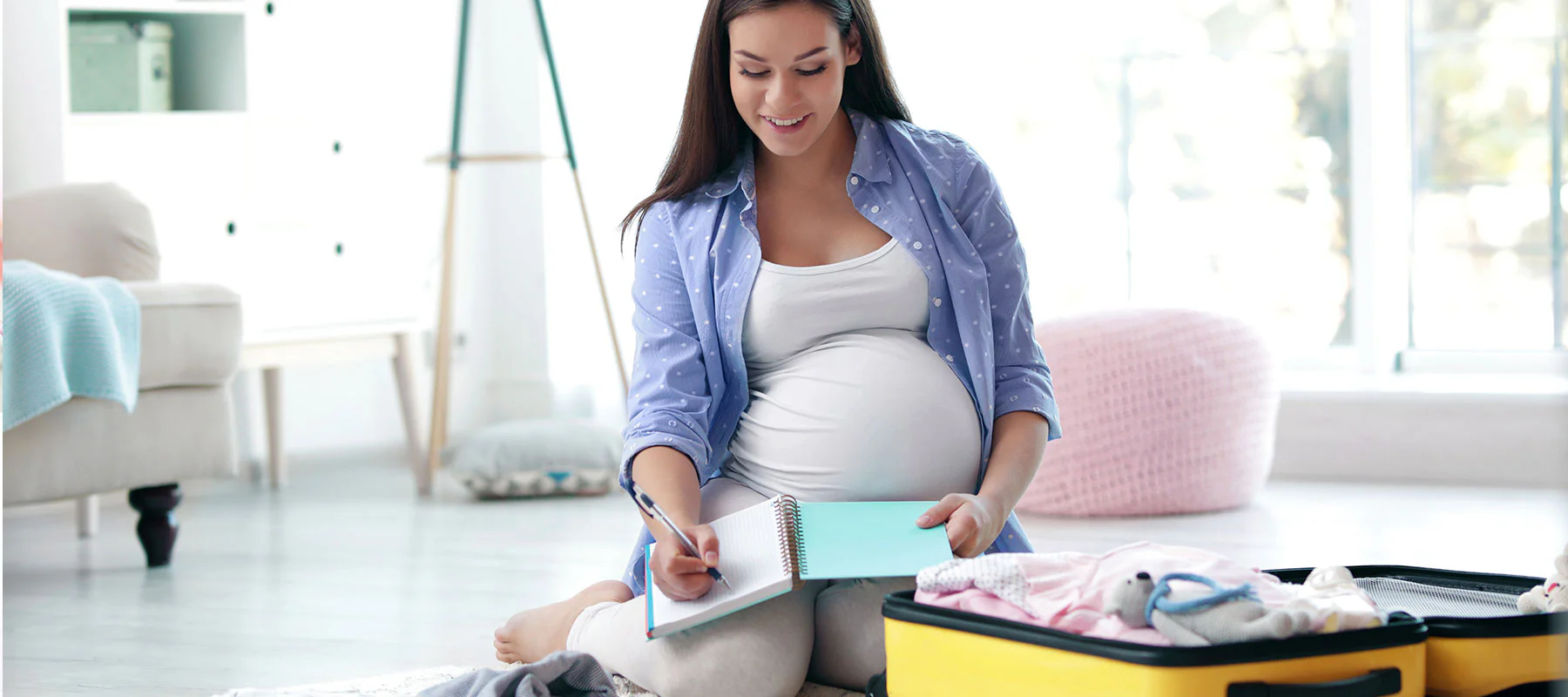
As your due date approaches, one of the most exciting (and slightly nerve-wracking) tasks is packing your hospital bag. Having everything ready in advance can bring immense peace of mind during the final weeks of pregnancy. When labour starts, the last thing you want to worry about is forgetting essentials.
A well-packed hospital bag ensures comfort, convenience, and confidence—for you, your baby, and your support person. This complete pregnancy checklist will help you pack smartly, avoid overpacking, and ensure you’re prepared for both planned and unexpected situations.
When Should You Pack Your Hospital Bag?
Most healthcare providers recommend packing your hospital bag between 32 and 36 weeks of pregnancy. Even if you’re planning a scheduled delivery, labour can sometimes begin earlier than expected.
Packing early allows you to:
-
Stay calm during the final weeks
-
Focus on rest instead of last-minute errands
-
Be ready for unexpected hospital visits
Keep your bag in an easy-to-access place and let your partner or family members know where it is.
Important Documents to Carry
Before packing clothes and baby items, make sure all essential documents are ready. These are often the most important items during hospital admission.
Include:
-
Government ID proof
-
Health insurance card or documents
-
Hospital registration papers
-
Previous medical records and prescriptions
-
Copies of test reports and scans
-
Emergency contact details
Keep these documents in a waterproof folder or pouch for easy access.
Essentials for the Mother
Your comfort during labour and recovery is extremely important. Hospitals provide basic items, but having your own personal essentials can make the experience more comfortable.
Clothing
Pack comfortable clothing that is easy to wear and remove:
-
Nightgowns or maternity dresses
-
A robe or light shawl
-
Comfortable slippers or flip-flops
-
Cotton socks
-
Nursing bras
-
Maternity pads or adult diapers
Choose breathable fabrics and loose-fitting clothes for postpartum comfort.
Toiletries and Personal Care Items
While hospitals provide basic toiletries, personal items can make you feel refreshed and at ease.
Pack:
-
Toothbrush and toothpaste
-
Face wash and moisturiser
-
Lip balm (hospitals can be very dry)
-
Hairbrush and hair ties
-
Mild shampoo and conditioner
-
Deodorant
-
Tissues and wet wipes
Avoid strong fragrances and opt for gentle products suitable for sensitive skin.
Labour Comfort Items
Labour can be physically and emotionally demanding. A few comfort items can help you feel calmer and more relaxed.
Consider including:
-
A small pillow or cushion
-
Eye mask for rest
-
Phone and long charging cable
-
Music playlist or calming sounds
-
Reusable water bottle
These small comforts can make a big difference during long hospital stays.
Essentials for the Baby
Your newborn will need only a few essentials initially, but packing them in advance ensures everything is ready.
Baby Clothing
Pack clothes appropriate for the season:
-
2–3 soft cotton onesies
-
Mittens and socks
-
A newborn cap
-
A swaddle or light blanket
Choose easy-to-wear clothes with front buttons or zips.
Baby Care Items
Most hospitals provide basic baby care supplies, but you may still want to carry:
-
Newborn diapers
-
Baby wipes
-
Soft towels or muslin cloths
-
Baby blanket
Keep items minimal, as hospitals usually have strict guidelines on what can be used.
Feeding Essentials
If you plan to breastfeed, you may not need much initially. However, a few items can be helpful:
-
Nursing bras
-
Breast pads
-
Nipple cream (if recommended by your doctor)
Always follow medical advice when it comes to feeding methods and newborn care.
Essentials for Your Support Person
Your partner or support person may also spend long hours at the hospital. Packing a few essentials for them can help make the experience smoother.
Include:
-
Change of clothes
-
Toiletries
-
Snacks
-
Phone charger
-
Important contact numbers
A comfortable support person is better able to support you during labour and recovery.
Snacks and Hydration
Hospitals usually provide meals, but having your own snacks can be helpful, especially for your support person.
Pack light, easy-to-digest snacks such as:
-
Dry fruits
-
Energy bars
-
Biscuits
-
Electrolyte drinks
Avoid heavy or spicy foods unless approved by your healthcare provider.
Optional Items for Extra Comfort
These items are not essential but can enhance your hospital stay:
-
Notebook or journal
-
Maternity belt (if advised)
-
Comfortable pillowcase
-
Small fan or hand fan
Only pack items you think will genuinely help you feel more comfortable.
What Not to Pack
Overpacking is common but unnecessary. Avoid bringing:
-
Expensive jewellery
-
Large amounts of cash
-
Too many outfits
-
Strong perfumes
-
Bulky electronics
Keep your bag light and practical.
Special Considerations for High-Risk or IVF Pregnancies
If your pregnancy required specialised care or fertility treatment, you may want to carry additional medical records or prescriptions. Many families who consult the Best Fertility Centre in Chandigarh are advised to keep detailed medical histories handy, especially if there were previous complications or assisted conception involved.
Always follow your doctor’s specific recommendations for what to bring.
Importance of Prenatal Testing Records
Carrying reports of important prenatal tests is essential. These records help healthcare providers make informed decisions during delivery.
Tests such as the NIPT Test in Chandigarh provide valuable genetic screening information and should be included in your document folder if conducted during pregnancy.
Having these reports readily available can save time and reduce stress during admission.
Preparing Emotionally Along with Packing
Packing your hospital bag is not just a practical task—it’s also an emotional milestone. It often marks the final phase of pregnancy and the beginning of a new chapter.
Use this time to:
-
Talk with your partner about birth preferences
-
Discuss hospital procedures
-
Review your birth plan (if you have one)
-
Mentally prepare for labour and recovery
Feeling prepared emotionally can be just as important as being prepared physically.
Checklist Summary for Easy Reference
Documents
-
ID, insurance, medical records, test reports
Mother
-
Clothing, toiletries, comfort items
Baby
-
Clothes, diapers, wipes, blanket
Support Person
-
Clothing, snacks, chargers
Extras
-
Phone, charger, water bottle, pillow
Final Thoughts: Pack Smart, Stay Calm
A well-organised hospital bag can bring peace of mind during one of the most important moments of your life. By packing early and thoughtfully, you reduce stress and ensure that you can focus entirely on welcoming your baby.
Remember, hospitals are equipped to handle most needs, so don’t worry about forgetting something minor. What matters most is your comfort, safety, and emotional wellbeing.
With this complete pregnancy checklist, you can step into the delivery room feeling prepared, confident, and ready to embrace the beautiful journey of motherhood.

 English
 Arabic
 French
 Spanish
 Portuguese
 Deutsch
 Turkish
 Italiano
 Russian
 Romaian
 Portuguese (Brazil)
 Greek
Greek