


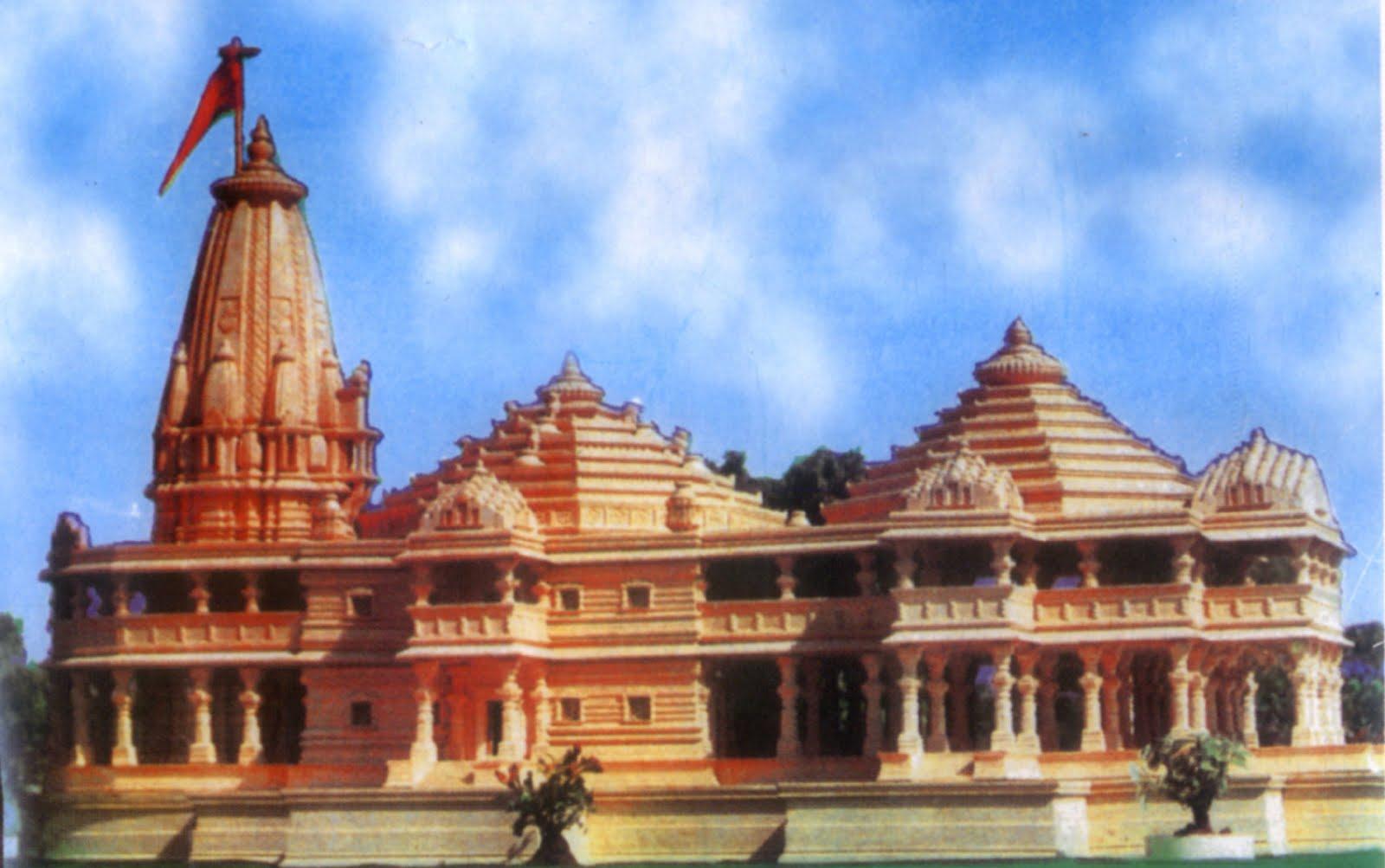
Ayodhya, the birthplace of Lord Rama, is one of India’s most sacred cities. Planning a trip to places to visit near Ayodhya allows travelers to experience a broader spectrum of spirituality, history, and natural beauty.
While Ayodhya itself is rich with temples, ghats, and cultural landmarks, the surrounding region also offers incredible destinations worth exploring. This article explores the top nearby destinations, their highlights, cultural significance, and travel tips.
🌄 Why Explore Beyond Ayodhya?
-
Spiritual Continuity: Neighboring towns like Shravasti and Chitrakoot are deeply tied to Hindu and Buddhist traditions.
-
Cultural Diversity: Cities like Lucknow and Varanasi showcase Mughal, Nawabi, and Hindu heritage.
-
Accessibility: Most destinations are within 3–5 hours by road or rail.
-
Tourism Appeal: Combining Ayodhya with nearby places creates a holistic travel experience.
🏯 Top Places to Visit near Ayodhya
Faizabad (7 km)
-
Known as the twin city of Ayodhya.
-
Attractions: Gulab Bari, Mausoleum of Shuja-ud-Daula, and Nawabi heritage.
-
Ideal for history lovers exploring Mughal architecture.
Lucknow (135 km)
-
Capital of Uttar Pradesh, famous for Nawabi culture.
-
Attractions: Bara Imambara, Chota Imambara, Rumi Darwaza, and Hazratganj market.
-
Known for Awadhi cuisine like kebabs and biryani.
Varanasi (200 km)
-
One of the oldest living cities in the world.
-
Attractions: Kashi Vishwanath Temple, Dashashwamedh Ghat, and evening Ganga Aarti.
-
A spiritual hub for Hindus, often combined with Ayodhya pilgrimages.
Prayagraj (165 km)
-
Famous for the Triveni Sangam, the confluence of Ganga, Yamuna, and Saraswati.
-
Hosts the Kumbh Mela, the largest religious gathering in the world.
-
Attractions: Allahabad Fort, Anand Bhavan, and Sangam rituals.
Shravasti (120 km)
-
Important Buddhist site where Buddha spent 24 rainy seasons.
-
Attractions: Jetavana Monastery, Ananda Bodhi Tree, and stupas.
-
Pilgrims from across Asia visit for meditation and learning.
Chitrakoot (130 km)
-
Associated with Lord Rama’s exile period.
-
Attractions: Ramghat, Kamadgiri Hill, and Gupt Godavari Caves.
-
A blend of mythology and natural beauty.
Gonda (70 km)
-
Known for Parvati Temple and proximity to Shravasti.
-
Offers rural charm and spiritual experiences.
🎭 Cultural Significance
-
Ayodhya & Faizabad: Blend of Hindu devotion and Nawabi heritage.
-
Lucknow: Nawabi culture, Mughal architecture, and Awadhi cuisine.
-
Varanasi: Spiritual capital of India, center for Hindu rituals.
-
Prayagraj: Sacred confluence, symbol of unity in Hinduism.
-
Shravasti: Buddhist heritage, meditation retreats.
-
Chitrakoot: Mythological significance tied to Ramayana.
🛍️ Shopping Highlights
-
Lucknow: Chikan embroidery, kebabs, and handicrafts.
-
Varanasi: Banarasi silk sarees and brassware.
-
Ayodhya/Faizabad: Religious souvenirs and Madhubani paintings.
🍲 Cuisine Experiences
-
Lucknow: Awadhi kebabs, biryani, and kulfi.
-
Varanasi: Street food like kachori, lassi, and thandai.
-
Prayagraj: Traditional North Indian thalis.
-
Shravasti & Chitrakoot: Simple vegetarian meals tied to monastic traditions.
📅 Suggested 5-Day Itinerary
-
Day 1: Explore Ayodhya (Ram Mandir, Hanuman Garhi, Ram Ki Paidi).
-
Day 2: Visit Faizabad and Lucknow (heritage walk, Imambaras).
-
Day 3: Head to Prayagraj (Triveni Sangam, Anand Bhavan).
-
Day 4: Explore Varanasi (Kashi Vishwanath, Ganga Aarti).
-
Day 5: Visit Shravasti or Chitrakoot for spiritual immersion.
💰 Travel Costs
-
Budget Trips: ₹8,000 – ₹12,000 per person (5 days).
-
Mid-Range Trips: ₹15,000 – ₹20,000 per person.
-
Luxury Trips: ₹25,000 – ₹40,000 per person (premium hotels, guided tours).
✈️ Travel Tips
-
Best Time to Visit: October to March for pleasant weather.
-
Transport: Well-connected by rail and road; Lucknow and Varanasi have airports.
-
Local Travel: Auto-rickshaws, taxis, and buses available.
-
Safety: Respect temple customs and dress modestly.
🌟 Why Explore Places near Ayodhya?
-
Spiritual Depth: Extend your pilgrimage beyond Ayodhya.
-
Cultural Diversity: Experience Nawabi, Mughal, Hindu, and Buddhist traditions.
-
Accessibility: Easy road and rail connectivity.
-
Holistic Experience: Combine devotion, heritage, and leisure.
📖 Conclusion
Exploring places to visit near Ayodhya enriches your journey with spirituality, culture, and history. From the Nawabi charm of Lucknow to the sacred ghats of Varanasi, from Prayagraj’s Sangam to Shravasti’s Buddhist monasteries, each destination offers unique experiences.
Whether you are a pilgrim seeking blessings, a traveler exploring heritage, or a family planning a cultural trip, Ayodhya and its neighboring cities promise unforgettable memories. Truly, this region is a timeless blend of mythology, devotion, and history.

 Arabic
 French
 Spanish
 Portuguese
 Deutsch
 Turkish
 Dutch
Dutch
 Italiano
 Russian
 Romaian
 Portuguese (Brazil)
 Greek
Greek