


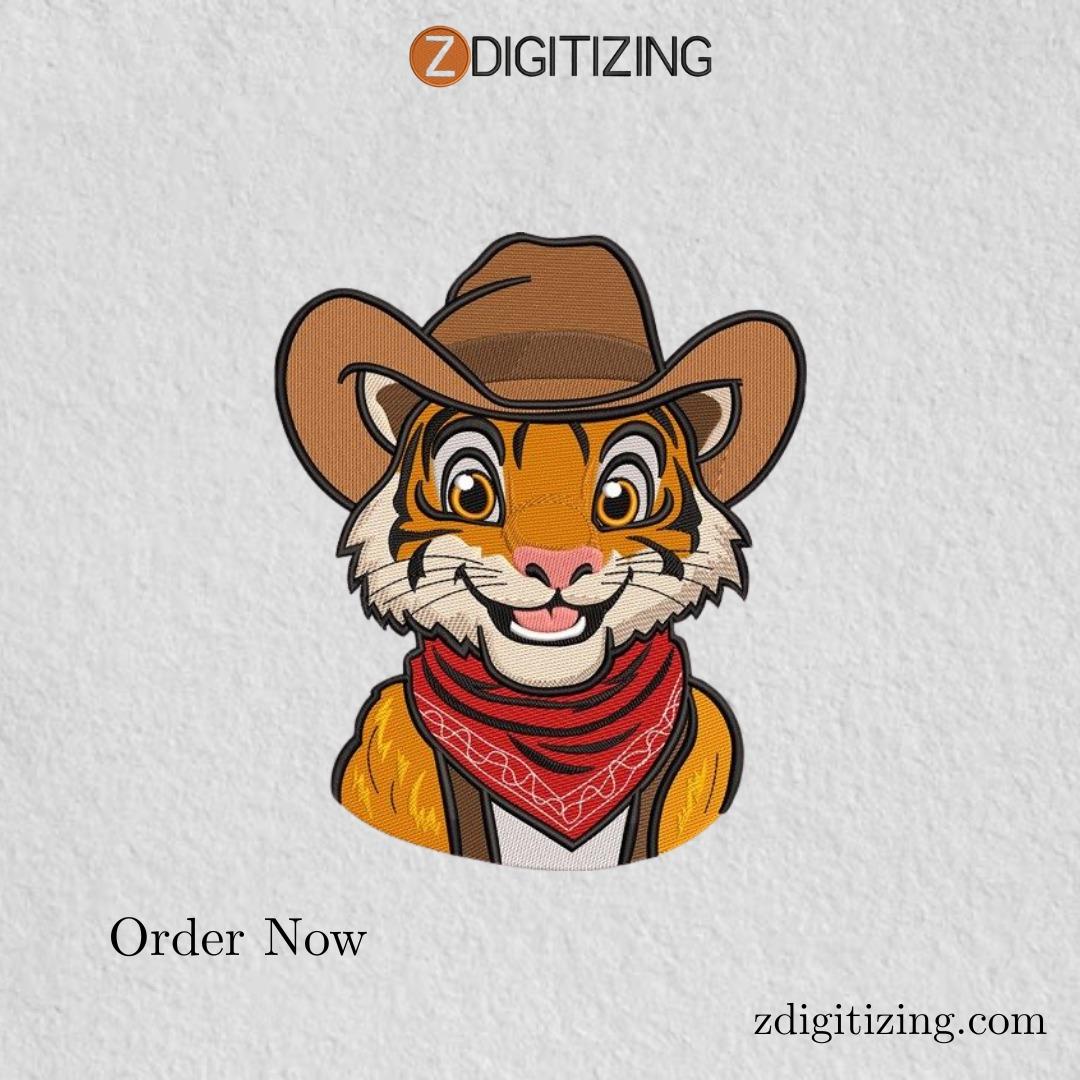
Embroidery is a reliable method for adding texture, style, and professional detail to apparel, promotional items, and custom projects. Whether it’s a corporate logo, sports team emblem, or decorative design, preparing artwork for embroidery is essential for achieving consistent results. This preparation, known as digitizing for embroidery, ensures designs translate accurately into thread and stitch patterns.
Professional digitizing combines technical skill with design expertise, allowing embroidery machines to execute complex patterns efficiently. This article explains what it means to digitize for embroidery, why it is essential, and how expert services enhance both quality and efficiency.
What Does Digitizing for Embroidery Involve?
Digitizing for embroidery is the process of converting a digital or hand-drawn design into a file format that embroidery machines can read. Unlike resizing an image or printing, embroidery digitizing requires planning stitch types, directions, densities, and sequencing.
A skilled digitizer evaluates the design along with the intended fabric to determine the best stitching approach. Factors such as fabric type, thread thickness, garment structure, and design complexity influence how stitches are executed. The objective is to create a file that ensures smooth stitch flow, preserves design clarity, and prevents production issues.
Why Professional Digitizing Matters
While automated software can convert designs into embroidery files, professional digitizing provides a higher level of accuracy and reliability. Incorrectly digitized files can lead to issues such as uneven stitching, fabric puckering, distorted logos or lettering, thread breaks, and misaligned elements.
Professional digitizing addresses these challenges by optimizing stitch paths, adjusting tension, and accounting for fabric behavior. Accurate digitizing reduces errors, minimizes material waste, and ensures designs remain consistent and durable across multiple garments.
Key Components of Effective Digitizing
High-quality embroidery files rely on several technical factors. Professional digitizers focus on:
- Stitch Type Selection: Matching the stitch type, satin, fill, or running stitches to the design and fabric.
- Stitch Direction: Aligning stitches to improve texture, depth, and visual consistency.
- Density Adjustment: Controlling stitch density to prevent puckering or gaps.
- Pull Compensation: Accounting for fabric movement or stretch to maintain accurate shapes.
- Layer Sequencing: Planning stitch order to reduce overlaps, thread breaks, and machine stoppages.
Attention to these elements ensures the embroidery stitches out cleanly, looks consistent, and maintains structural integrity.
Applications of Digitizing for Embroidery
Digitizing is essential in many industries and creative projects. By preparing a design for embroidery, businesses and creators achieve consistent results across various materials and garment types. Typical applications include:
- Logos on uniforms, jackets, and workwear
- Team or club branding on jerseys and outerwear
- Personalized gifts and monograms
- Patches, emblems, and badges
- Custom fashion embroidery on apparel and accessories
Proper digitizing ensures that designs retain their proportions, clarity, and detail, whether applied to a small area or a large garment surface.
Benefits of Professional Digitizing Services
Working with a professional digitizing service offers several advantages:
- Consistency: Ensures designs look uniform across multiple items.
- Efficiency: Reduces machine downtime, production errors, and thread waste.
- Scalability: A single file can be reused for large-scale production runs.
- Flexibility: Allows resizing, color adjustments, and minor edits without compromising quality.
- Professional Finish: Produces embroidery that is clean, precise, and durable.
These benefits are especially valuable for businesses, embroidery shops, and creators managing multiple garments or large orders.
Choosing a Reliable Digitizing Service
Not all digitizing services offer the same level of expertise. Choosing the right provider ensures reliable results and smooth production. Key factors include experience with different designs and fabrics, knowledge of various embroidery machine formats, and the ability to handle complex or multi-colored artwork.
Clear communication, revision support, and quality control practices are also important to ensure the final file performs accurately during production. Partnering with an experienced digitizer reduces errors, saves time, and ensures consistent results on every garment.
Final Thoughts
Digitizing for embroidery is a critical step in converting creative designs into precise stitched artwork. By generating accurate stitch files, digitizing bridges the gap between design concepts and machine execution, producing embroidery that is clear, durable, and professional.
Whether for corporate branding, sports apparel, custom gifts, or fashion projects, professional digitizing improves efficiency, reduces errors, and ensures consistent quality. Investing in expert digitizing services guarantees embroidery that meets high standards and performs reliably across all products.

 Arabic
 French
 Spanish
 Portuguese
 Deutsch
 Turkish
 Dutch
Dutch
 Italiano
 Russian
 Romaian
 Portuguese (Brazil)
 Greek
Greek