


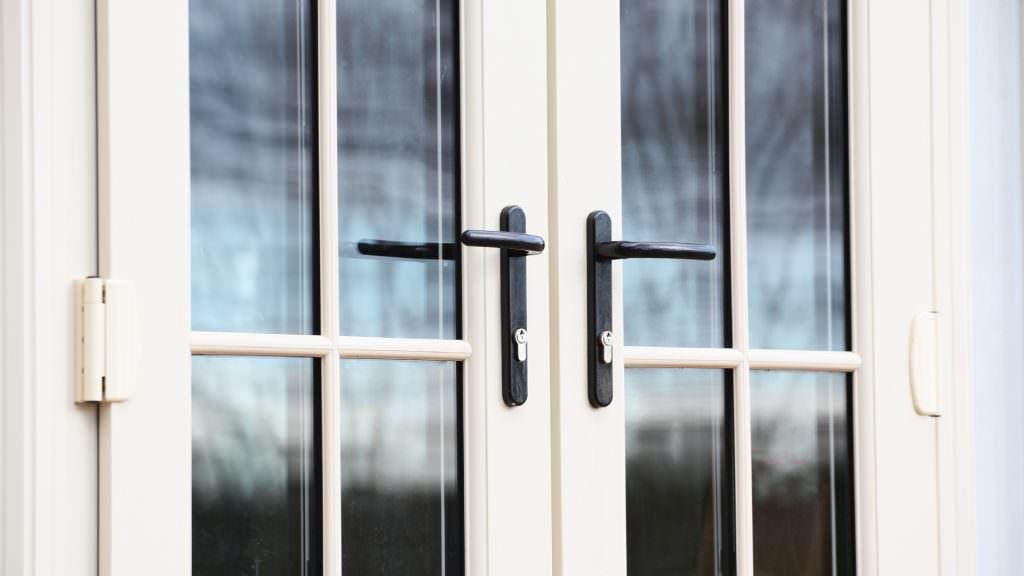
In modern home security, every detail matters, including the humble door handle. Too often overlooked, uPVC door handles (common on patio doors, back doors and many front entrances) play a significant role in the integrity of your property’s defence against intruders.
A high-quality, secure handle not only enhances everyday convenience, but also strengthens your door’s resistance to forced entry. This article explores why secure uPVC door handles are important, what features to look for, standards and certification to trust, and what practical steps you can take to improve door security.
Why Door Handles Matter in Security
At first glance, a door handle might seem like a simple fixture, but it’s a primary point of mechanical leverage. When a burglar attempts a break-in, they often try to manipulate the handle to turn the lock or force the locking mechanism.
Even the most robust multi-point locking system can be undermined if the handle is weak, easily snapped, or poorly fixed. A secure handle helps ensure that the force applied during an attempted break-in is transferred to the stronger internal locking mechanism, rather than exploited to disengage it.
Understanding uPVC Doors and Their Vulnerabilities
uPVC (unplasticised polyvinyl chloride) doors are a staple in modern homes due to their energy efficiency, low maintenance and good basic security. However, they are not inherently secure in every configuration. The vulnerabilities often arise from:
Cheap or lightweight handles that can be snapped off.
Poor fixings or inadequate numbers of screws.
Non-reinforced internal mechanisms that don’t resist torque or leverage.
Lack of appropriate security certification.
Thus, choosing the right handle is more than just aesthetic — it’s a strategic choice for better protection.
Key Security Features to Look For
When selecting uPVC door handles, consider the following essential security features:
1. Anti-Snap and Anti-Bump Design
These features ensure that common break-in techniques — like snapping the handle to access the spindle or bumping the lock — are countered. Handles with reinforced components resist shearing and breakage.
2. Reinforced Internal Mechanism
A robust internal gearbox and spindle ensure the force from the handle isn’t easily exploited. Look for hardened steel components rather than thin cast metal.
3. Secured to Multi-point Locking
A handle should integrate tightly with the door’s multi-point locking system. When you press or lift a secure handle, it should engage all locking points uniformly — and resist being forced back.
4. Strong Fixings
Handles should be mounted with security screws that resist being unscrewed from the outside. Short or soft fixings can be a weak link.
5. Lockable Handles
For doors prone to external access (e.g., garden doors), consider key-lockable handles. These add an extra layer: the handle itself must be unlocked before the door can be engaged.
6. Cylinder Protection
While not part of the handle itself, pairing them with anti-drill, anti-snap, anti-pick lock cylinders improves overall security. The handle and cylinder should work in harmony to prevent attacks.
Standards and Certifications: What to Trust
Look for handles that meet recognised security standards. Certifications help ensure products are tested rigorously, rather than relying on marketing claims.
BS EN 1906
This European standard relates to lever handles and includes mechanical performance criteria. It grades durability and functionality — essential markers for long-lasting components.
PAS 24
A UK standard for enhanced security performance. Products tested to PAS 24 have passed impact resistance and forced-entry tests representative of real-world attack scenarios.
Secured by Design (SBD)
This is a UK policing initiative that endorses products meeting high security levels. Products with this mark are often favoured by insurers.
Sold Secure
Although more common with padlocks, this symbol indicates rigorous testing against physical attack.
Buying handles with these certifications gives peace of mind that they won’t be the weakest link in your door system.
Types of Secure uPVC Door Handles
Here are some common handle types — each with distinct security characteristics.
Standard Lever Handle
The most common design. For security, choose versions with:
· Internal reinforced steel or metal core
· Anti-snap features
· High torque resistance
Lockable Lever Handle
These have a key lock on the handle itself. They are excellent for:
Front and back doors
Areas with higher burglary risk
Lockable handles reduce the possibility of the handle being manipulated from the outside.
Dummy Handles
Used where the handle is non-operational (e.g., on fixed panels). Even these should be sturdy to prevent them being used as leverage points.
Installation Matters: Fitters and Best Practice
Even the best handle will fail if incorrectly installed. Key considerations include:
Correct Fixing Lengths
uPVC profiles vary — ensure screws are long enough to anchor into solid material, not just thin plastic.
Handle Positioning
Handles should align correctly with the locking points. Misalignment can cause handle strain and premature wear.
Professional Fitting
While DIY installation is possible, professional fitters ensure:
· Proper alignment
· Secure fixings
· Correct handle rotation with the lock mechanism
Incorrect installation can void warranties and reduce security.
Maintenance: Keep Security Strong Over Time
Security isn’t a “fit and forget” job. Maintain your uPVC handles with simple regular checks:
Tighten loose screws
Lubricate moving parts with appropriate spray (avoid heavy oils that attract dust)
· Check for wobble or play in the handle
· Test smooth operation of locks and latches
· Replace worn or damaged parts promptly
A loose handle might feel harmless, but in a break-in attempt it’s an invitation for leverage.
Common Myths About Door Security
Myth 1: All uPVC Handles Are Equal
Not true. Price, materials, reinforcement and certification vary greatly. Cheaper handles often lack internal strength.
Myth 2: Locks Matter More Than Handles
Both matter equally. A strong lock needs a handle that doesn’t fail under pressure.
Myth 3: Cosmetic Features Are Worth Paying For
Aesthetic flourishes are secondary. Prioritise internal strength and security features first.
Choosing the Right Handle for Your Home
To decide what’s right for your door, ask:
Where is the door located? Front doors need higher security than internal doors.
Is the handle exposed to the outside? If yes, lockable options are smart.
What standards/certifications does it meet? Prioritise PAS 24, SBD, or similar.
Who will fit it? Certified professionals reduce risk of errors.
Conclusion
In the hierarchy of home security, uPVC door handles may seem small — but they are critical components. A strong, tested, well-installed handle doesn’t just feel solid: it prevents opportunistic break-ins, enhances lock performance and contributes to your peace of mind.
Whether you’re upgrading existing handles or specifying new doors, choose security first. Prioritise certified products, robust materials, professional installation, and regular maintenance. Your front door isn’t just an entrance — it’s the first line in your home’s defence.

 English
 Arabic
 French
 Spanish
 Portuguese
 Deutsch
 Turkish
 Dutch
Dutch
 Russian
 Romaian
 Portuguese (Brazil)
 Greek
Greek