


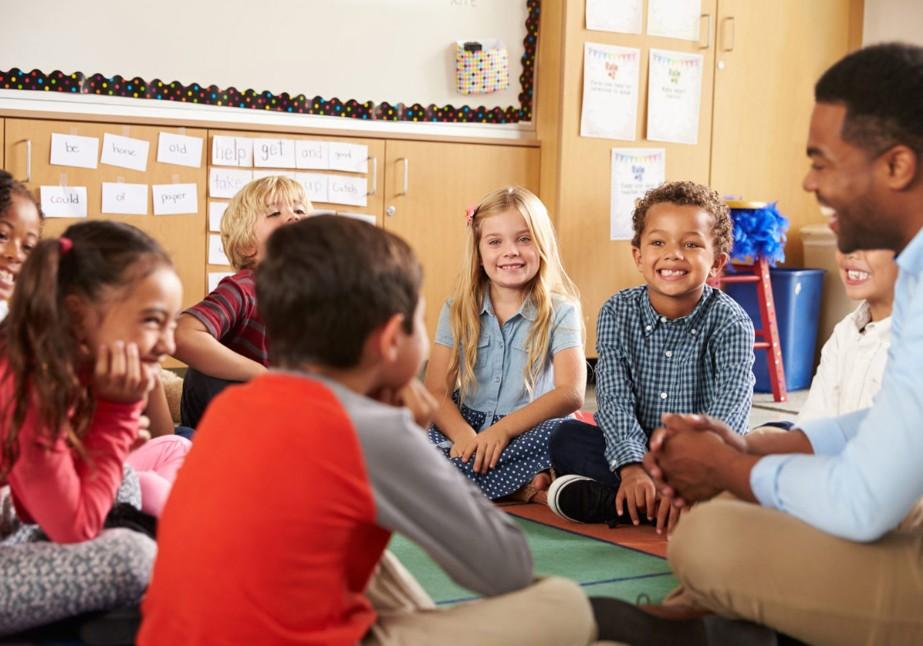
Observing and recording a child’s progress is a core responsibility for anyone working with children and young people. Accurate observations help professionals understand how a child is developing, identify strengths, recognise areas where support may be needed, and plan appropriate next steps. When done well, observation is not about judging or labelling a child, but about building a clear picture of their learning journey over time. Accurate records also support communication with parents, carers, and other professionals, ensuring everyone involved works together in the child’s best interests. Developing these skills requires patience, consistency, and a strong understanding of child development principles.
Understanding the Purpose of Observation
Before observing a child, it is important to understand why observation is taking place. Observation is not simply watching children at random; it is a purposeful activity designed to gather meaningful information about development, behaviour, and learning. This includes physical development, communication, social interaction, and emotional wellbeing. Knowing the purpose helps practitioners focus on relevant details rather than trying to record everything. Accurate observation supports assessment, planning, and evaluation, forming a continuous cycle of improvement. Professionals trained through programmes such as the Diploma for the children and young people's workforce develop a clear understanding of this purpose, ensuring observations are used constructively to support each child’s individual needs rather than as a tick-box exercise.
Choosing the Right Observation Methods
There are several observation methods, and choosing the right one is key to accuracy. Narrative observations provide detailed descriptions of a child’s actions, while checklist observations focus on specific skills or milestones. Time sampling and event sampling help track behaviours over a set period. Each method serves a different purpose, and selecting the appropriate approach depends on what you are trying to understand about the child. Using the wrong method can lead to incomplete or misleading information. Skilled practitioners know how to match observation techniques to developmental goals. Learning how and when to use these methods is often developed through structured training, including the Diploma for the children and young people's workforce, which emphasises practical, real-world application.
Observing Objectively Without Assumptions
Accurate observation requires objectivity. This means recording what you see and hear rather than what you think or feel about a situation. Personal opinions, expectations, or assumptions can distort observations and affect the support a child receives. For example, instead of writing that a child is “naughty” or “lazy,” an objective observation describes specific actions and behaviours. This approach ensures records are fair, professional, and useful. Objectivity also supports consistency across teams, allowing different practitioners to interpret observations reliably. Developing this skill takes practice and reflection, but it is essential for ethical and effective practice in childcare and education settings.
Recording Observations Clearly and Consistently
Clear and consistent recording is just as important as the observation itself. Records should be written in simple, professional language that others can easily understand. Dates, times, and context should always be included to provide a complete picture. Consistency in format helps track progress over time and makes it easier to identify patterns or changes in development. Whether records are written digitally or on paper, confidentiality must always be maintained. High-quality recording supports accountability and professional communication. Those studying the Diploma for the children and young people's workforce learn how to produce accurate, secure records that meet professional and legal standards while remaining focused on the child’s best interests.
Linking Observations to Developmental Frameworks
Observations become truly meaningful when they are linked to recognised developmental frameworks or learning outcomes. This helps practitioners understand where a child is in their development and what support may be needed next. Linking observations to frameworks ensures assessments are consistent and evidence-based rather than subjective. It also supports planning activities that are appropriate and challenging for the child. Accurate links between observation and development guide decision-making and improve outcomes. Professionals trained in child development understand how to make these connections effectively, ensuring observations lead to purposeful action rather than simply being stored away.
Reflecting and Planning Next Steps
Observation and recording should always lead to reflection and planning. After reviewing observations, practitioners consider what the information reveals about the child’s learning and wellbeing. Reflection helps identify strengths to build on and areas that may require additional support. From this, clear next steps can be planned, whether that involves adapting activities, providing targeted support, or working with parents or specialists. This reflective cycle ensures observation is an active process rather than a passive one. Training pathways such as the Diploma for the children and young people's workforce emphasise this cycle, helping practitioners use observations to create meaningful learning experiences.
Working in Partnership With Parents and Professionals
Sharing observations appropriately with parents, carers, and other professionals strengthens support for the child. Accurate records provide a reliable basis for discussion and collaboration. When parents understand how their child is progressing, they are better able to support learning at home. Observations also help professionals work together consistently, ensuring continuity of care and education. Clear, respectful communication builds trust and ensures everyone is focused on the child’s development. Accurate observation and recording are therefore not just professional skills, but tools for building strong partnerships that support positive outcomes for children and young people.

 English
 Arabic
 French
 Spanish
 Portuguese
 Deutsch
 Turkish
 Dutch
Dutch
 Italiano
 Romaian
 Portuguese (Brazil)
 Greek
Greek