


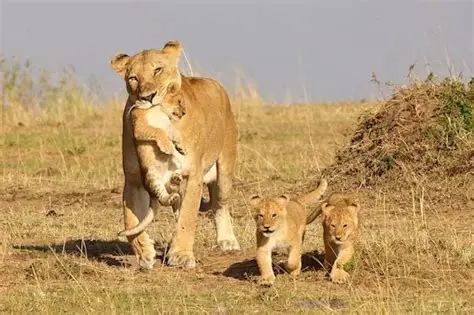
Gir National Park, located in Gujarat’s Junagadh district, is the only natural habitat of the Asiatic lion. This guide explores the best time to visit Gir National Park, seasonal highlights, safari tips, and practical travel advice. Spread across 1,412 sq km, it is a paradise for wildlife lovers, birdwatchers, and adventure seekers. Planning your trip at the right time is crucial to enjoy safaris, spot lions, and experience the park’s diverse flora and fauna.
🌍 Seasonal Overview
| Season | Months | Weather | Safari Experience | Recommendation |
| Winter | November–February | 10°C–25°C, cool & pleasant | Comfortable safaris, high chance of lion sightings | Best season |
| Summer | March–June | 30°C–45°C, hot & dry | Lions often spotted near waterholes, but heat is intense | Moderate |
| Monsoon | July–September | Heavy rains, humid | Park closed for breeding & conservation | Not recommended |
Sources:
❄️ Winter (November–February): Peak Season
-
Weather: Cool and pleasant, ideal for safaris.
-
Wildlife Sightings: Lions, leopards, antelopes, and birds are easily spotted due to thinning vegetation.
-
Activities: Jeep safaris, birdwatching, photography tours.
-
Festivals Nearby: Uttarayan (kite festival in January) and cultural fairs in Gujarat.
-
Why Visit: Comfortable climate, vibrant atmosphere, and high chances of spotting Asiatic lions.
☀️ Summer (March–June): Hot but Rewarding
-
Weather: Temperatures soar up to 45°C.
-
Wildlife Sightings: Lions and leopards often rest near water bodies, making sightings easier.
-
Activities: Early morning and late evening safaris recommended.
-
Advantages: Fewer crowds, discounted stays.
-
Drawbacks: Heat can be exhausting, especially for families with children.
🌧️ Monsoon (July–September): Off Season
-
Weather: Heavy rainfall, lush greenery, but high humidity.
-
Park Status: Closed to visitors for conservation and breeding.
-
Advantages: Surrounding landscapes are scenic.
-
Drawbacks: No safaris, limited activities.
🧭 Month-by-Month Guide
-
October: Park reopens after monsoon; greenery is fresh.
-
November–December: Cool weather, excellent for safaris.
-
January–February: Peak tourist season; book safaris in advance.
-
March–April: Hot afternoons, but good lion sightings.
-
May–June: Extreme heat; sightings possible but safaris are challenging.
-
July–September: Park closed.
🎉 Safari Timings
-
Morning Safari: 6:00 AM – 9:00 AM
-
Afternoon Safari: 3:00 PM – 6:00 PM
-
Best Time for Sightings: Early mornings and late evenings in winter and summer.
🦁 Wildlife Highlights
-
Asiatic Lions: Star attraction, best spotted in winter and summer.
-
Leopards: Often seen during evening safaris.
-
Birds: Over 300 species, including migratory birds in winter.
-
Other Animals: Hyenas, jackals, antelopes, marsh crocodiles.
🧳 Travel Tips
-
Book Safaris Early: Especially during winter peak season.
-
Carry Essentials: Sunscreen, hats, water bottles, binoculars.
-
Dress Comfortably: Light cottons in summer, warm layers in winter.
-
Stay Nearby: Resorts and lodges in Sasan Gir offer eco-friendly stays.
-
Respect Wildlife: Maintain silence, avoid littering, and follow park rules.
📈 Economic & Cultural Impact
-
Tourism boosts Gujarat’s economy.
-
Creates jobs for guides, drivers, and hospitality workers.
-
Promotes conservation awareness.
-
Supports Maldhari tribes through eco-tourism.
🌿 Sustainable Tourism Practices
-
Avoid plastic waste inside the park.
-
Support eco-friendly accommodations.
-
Respect local communities and traditions.
-
Participate in conservation initiatives.
🌄 Conclusion
The best time to visit Gir National Park is November to March, when the weather is pleasant and wildlife sightings are frequent. Summers (April–June) are manageable with precautions, while monsoons (July–September) are off-season as the park remains closed.
Whether you’re a wildlife enthusiast, photographer, or family traveler, timing your visit ensures a comfortable and rewarding experience. Gir is not just about lions—it’s about connecting with nature, culture, and conservation in one of India’s most unique ecosystems.

 English
 Arabic
 French
 Spanish
 Portuguese
 Deutsch
 Turkish
 Dutch
Dutch
 Italiano
 Russian
 Portuguese (Brazil)
 Greek
Greek