


Every fleet manager is sure of one thing: DOT violations not only cost money, but they also destroy schedules, hold up drivers, and ruin your reputation with shippers. Keeping your trucks DOT-ready is not optional. It is the groundwork to keep your operation running without any surprises in the form of stops, fines, and safety headaches. That is why the majority of operators in the Southeast are turning to Dot inspections in Atlanta to ensure that their trucks pass on the first attempt and remain in compliance throughout the year. The last thing you want to get when you are dealing with dispatch, drivers, delivery window is a surprise violation that removes a truck from the road.
CS Repair knows this fact more than anyone, and that is why so many fleets entrust them to get their trucks on the road, inspected, and repaired before the issues manifest themselves on the road.
Why DOT Compliance Matters More Than Most Fleets Think
Many breakdowns, delays, and fines can be viewed as a result of things that should have been noticed much earlier, such as broken hoses, worn-out brake pads, loose wiring, and broken lights. DOT does not bother about how hectic your week is; your truck is not up to spec, and it is getting parked.
The real cost of failing a DOT inspection consists of:
-
Lost revenue from downtime
-
Repair costs that now become “rush work.”
-
Drivers are losing hours of service waiting
-
Possible out-of-service orders
-
Customer complaints from late loads
And to fleets that are competing on a larger scale, a single bad week in DOT will upset the balance of your whole month.
That’s why DOT-ready trucks aren’t just about compliance, they’re about protecting uptime and keeping your operation predictable.
What Being “DOT-Ready” Really Means
DOT readiness isn’t just checking a few lights before heading out. It’s a structured approach that keeps trucks safe, legal, and road-worthy, all year, not only before an audit.
Below is what a full DOT-ready truck should cover.
1. Brake System Integrity
One of the largest categories of DOT violations is brakes, and not without a reason. Stop-and-go routes, heavy loads, and heat cycles destroy components more quickly than most fleet owners are aware.
A proper DOT prep includes:
-
Air leaks inspection
-
Brake pad thickness check
-
Slack adjuster measurement
-
Air hoses and chambers review
A tiny leak today becomes tomorrow’s out-of-service order. Fleets that run short routes in Atlanta traffic feel this more than anyone.
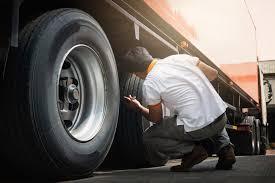
2. Tires, Tread, and Pressure Checks
DOT inspectors look closely at:
-
Tread depth
-
Sidewall cracks
-
Uneven wear
-
Low PSI
A tire that looks “okay” to the eye might be completely illegal under DOT standards. And on a long run or mountain route, that’s a blowout waiting to happen.
Keeping tires DOT-ready also protects fuel mileage, a big win for cost-focused fleet managers.
3. Lights, Signals, and Electronics
If you’ve been in trucking long enough, you know how often a quick roadside check turns into a citation because of a simple marker light.
DOT checks:
-
Headlights
-
Turn signals
-
Brake lights
-
Marker lamps
-
Wiring safety
Small problems become big ones fast in cold weather, rain, or constant vibration. Fleet shops like CS Repair catch these issues early during their DOT prep evaluations.
4. Steering & Suspension
These are critical safety points often ignored until they fail.
DOT inspectors look for:
-
Loose steering components
-
Worn bushings
-
Damaged shocks
-
Cracked leaf springs
A suspension issue doesn’t just affect safety; it destroys tires, lowers MPG, and increases driver fatigue.
5. Fluid Leaks and Engine Bay Health
DOT considers significant leaks an immediate red flag.
Inspections cover:
-
Engine oil
-
Coolant
-
Power steering fluid
-
DEF lines
-
Transmission leaks
Ignoring small leaks is how roadside breakdowns happen. A DOT-ready truck has everything sealed, topped, and clean.
6. Emergency Equipment Compliance
Drivers should have:
-
Fire extinguisher
-
Spare fuses
-
Three reflective triangles
Simple, inexpensive things, yet they remain top DOT failure reasons.
Why Fleets Are Turning to Professional DOT Inspection Services
Pre-trip inspections can always be performed during the day, but DOT compliance needs trained eyes. Fleet managers lack the additional staff and time to monitor all safety checklists and still route the loads, dispatch calls, and keep the trucks on the road.
This is what makes Dot inspections Atlanta services the choice of busy fleets.
-
Faster turnaround
-
Certified inspectors
-
Full diagnostic reports
-
Clear repair recommendations
-
No-nonsense cost breakdowns
When every minute of downtime affects your week, you want inspections done right the first time, not a reinspection that pushes your truck back off the schedule.
How Professional DOT Prep Improves Uptime
DOT-ready fleets simply run smoother.
Here’s how:
1. Fewer Roadside Stops
Most roadside issues, loose clamps, dead lights, and major leaks, get caught before the driver even leaves the yard.
2. Better Predictability
Knowing a truck is fully compliant removes stress. You’re not waiting for a call saying the truck has been pulled into a station.
3. Lower Repair Costs
DOT-focused inspections catch minor issues before they turn into major repairs.
4. Higher Driver Confidence
Drivers hate losing hours at checkpoints. When the equipment is clean, safe, and compliant, they run with confidence.
5. Stronger Customer Trust
Shippers only care about on-time loads. DOT readiness keeps you reliable.
Why Atlanta Fleets Face Extra DOT Pressure
Atlanta has:
-
Heavy freight volume
-
Tight delivery windows
-
Constant construction
-
Stop-and-go traffic
-
Heat cycles that wear components faster
That means trucks in this region face tougher wear and tear. This is why Dot inspections in Atlanta aren't optional; they’re how Southeast fleets stay competitive.
Professional shops like CS Repair understand local routes, common Atlanta failure patterns, and the kind of prep a truck needs to stay compliant year-round.
Final Thoughts: DOT-Ready Trucks Protect Your Business
In trucking, compliance isn’t paperwork; it’s uptime. A truck that fails DOT hurts your day, your customer relationships, and your bottom line. Putting investment in DOT preparation with the help of the trusted teams, such as CS Repair, you provide your fleet with stability, safety, and a reduced number of surprises on the road.
The right mix of regular planning, intelligent inspections, and the appropriate choice of repair partners can help you stay in front of violations and ensure that each truck can be used to make a profit. At the end of the day, DOT readiness is not a regulation, but a competitive advantage.
Fleet managers who stay ahead survive the season. The ones that don’t… end up paying for it on the roadside.
With the right support and Dot inspections in Atlanta, your fleet stays safe, compliant, and profitable, mile after mile.

 Arabic
 French
 Spanish
 Portuguese
 Deutsch
 Turkish
 Dutch
Dutch
 Italiano
 Russian
 Romaian
 Portuguese (Brazil)
 Greek
Greek