


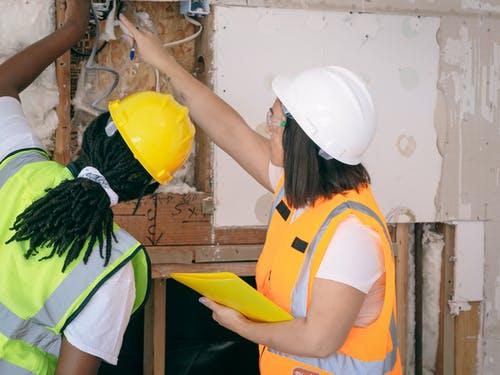
Buying, selling, or renovating a property in Australia comes with enough stress to power Sydney’s CBD during peak hour. And somewhere between comparing prices, chasing tradies, and arguing with Google Maps, most people wonder whether they really need a professional to assess a property… or whether they can just “have a quick look themselves.”
This blog cuts through the confusion. We’re unpacking the real difference between a professional Building Inspection Report and the classic Aussie DIY property check. These two aren’t even in the same postcode, and understanding the difference can save you from expensive surprises later.
If you’ve been searching for clear guidance on what building inspection reports actually include and whether they’re worth it, you’re in the right place. Here’s everything you should know about Building Inspection Reports before making a big decision.
Quick Overview: What You’ll Learn (At a Glance)
If you’re skimming before committing (we get it), here’s the short version:
-
Building inspection reports give you a detailed, structured assessment of a home’s condition, written by trained inspectors who know where problems hide.
-
DIY checks rely on your eyes, your experience (or lack of it), and maybe a YouTube video you watched once.
-
Professional inspections use tools, standards, and access points most homeowners don’t even think about.
-
A missed issue during a DIY check can cost tens of thousands in repairs—sometimes immediately.
Want the deeper breakdown? Keep reading!
What Exactly Is a Building Inspection Report?
A Building Inspection Report is a professionally prepared document that outlines the condition of a property after a comprehensive visual inspection. In Australia, inspectors follow strict guidelines, such as AS 4349.1, to ensure consistency and accuracy.
What’s typically included?
-
Structural issues (foundation, walls, roof frames)
-
Moisture problems and water damage
-
Roof condition and safety concerns
-
Plumbing and drainage issues
-
Electrical problems
-
Safety hazards
-
Pest-related concerns (often paired with a separate pest inspection)
-
Any recommended repairs or further specialist checks
Pro Insight:
Most homebuyers think the report focuses on “major cracks.” In reality, the value lies in spotting the small issues that turn into massive problems later.
DIY Property Checks: Why People Still Try Them
Aussies love a bit of independence. We fix things ourselves, Google medical symptoms, and occasionally try to carry a fridge down the stairs without help. So it’s no surprise many people think they can “give the house a once-over” before making a decision.
Common reasons people try DIY checks:
-
Trying to save money
-
Believing issues will be obvious
-
Thinking inspectors just “write things down”
-
Overconfidence after binge-watching home renovation shows
What DIY checks usually catch:
-
Peeling paint
-
Wobbly door handles
-
Loose tiles
-
Smells that feel like a crime scene
What DIY checks don’t catch:
-
Subfloor moisture
-
Hidden structural movement
-
Past pest activity
-
Unauthorised or unsafe renovations
-
Roof frame damage
-
Drainage issues that only appear during rain
Basically: DIY is fine for shopping, not for assessing a six-figure investment.
Professional Building Inspection Reports vs DIY: Key Differences
Let’s lay it out clearly. Here’s what separates the pros from your uncle who thinks he’s handy.
1. Training and Expertise
Inspector: Years of experience + industry standards + insurance
DIY’er: “I watched a tutorial once.”
Trained inspectors recognise early warning signs that most people overlook or misunderstand.
2. Tools and Technology
Professional tools used:
-
Moisture meters
-
Thermal cameras
-
Telescopic poles for roof inspections
-
Levelling devices
DIY tools used:
-
Eyes
-
Phone torch
-
Vague optimism
3. Access to Hard-to-Reach Areas
Inspectors check:
-
Roof voids
-
Under floors
-
Gutters
-
Drainage points
-
External timbers
DIY checks usually stop at:
-
The lounge room
-
Maybe the backyard
-
Whatever doesn’t require bending
4. Reporting & Documentation
Building Inspection Reports are:
-
Written
-
Structured
-
Legally useful
-
Insurable
DIY checks are:
-
Mental notes and a few phone photos
If something goes wrong later, a DIY check offers zero protection.
5. Liability and Insurance
Licensed inspectors carry professional indemnity insurance.
DIY inspectors (you) carry… regret.
Did You Know?
Many major issues (like termite damage or structural movement) cannot be seen without trained eyes or proper access equipment. By the time a layperson notices something, the problem is usually advanced.
Pro Tip Box
Pro Tip:
If you’re buying a home built before the 1990s, a professional building inspection becomes even more critical. Older properties often hide asbestos, outdated wiring, and structural wear that DIY eyes can't identify.
Common Problems Found in Building Inspection Reports (That DIY Misses)
Here are issues inspectors commonly uncover that would slip past the average person:
1. Timber Rot
Looks harmless until half the deck collapses during a BBQ.
2. Subfloor Moisture
Often caused by poor drainage. Leads to mould, pests, and structural damage.
3. Roof Framing Issues
Most homeowners never go into the roof void—and it shows.
4. Non-Compliant Electrical Work
Especially common in older renovations or DIY wiring (illegal and unsafe).
5. Active or Historical Termite Activity
Termites don’t send polite warning notes.
6. Foundation Movement
A hairline crack can be the symptom, not the problem.
Quick Guide: When You Should Choose a Professional Building Inspection Report
Situation
You're considering buying a property and want to make sure it’s not hiding expensive surprises.
Common Challenges
-
Is that crack serious or cosmetic?
-
Is the deck safe, or waiting to fail?
-
Will this house turn into a “money pit” after the first rain?
How to Solve It
1. Get a Licensed Building Inspector
They follow Australian Standards and have the insurance and tools to give you proper protection.
2. Ask for a Combined Building + Pest Report
Saves time and usually provides a more complete picture.
3. Read the Report Properly
Focus on: safety issues, structural defects, and recommended specialist reviews.
4. Use the Findings in Negotiations
A solid report helps you request repairs or negotiate price reductions.
Why It Works
You avoid unexpected costs, make decisions with confidence, and protect your investment from day one.
QUIZ: Do You Need a Professional Building Inspection Report?
Answer honestly (nobody’s judging… probably):
1. Do you know how to identify structural movement?
-
Yes
-
No
-
I thought “structural movement” was a dance move
2. Have you inspected a roof void before?
-
Yes
-
No
-
What even is a roof void?
3. Do you own a moisture meter?
-
Yes
-
No
-
Absolutely not
4. If you found signs of termites, would you actually recognise them?
-
Yes
-
No
-
Only if they introduced themselves
RESULTS:
If you answered No to more than one… you already know the answer:
A professional Building Inspection Report is your safest choice.
FAQs About Building Inspection Reports
1. Are building inspection reports mandatory in Australia?
Not mandatory, but strongly recommended. Most buyers rely on them the same way people rely on sunscreen in Queensland.
2. How long does a professional inspection take?
Typically 60–120 minutes, depending on property size. The report is usually delivered within 24 hours.
3. Can a building inspection report lower the purchase price?
Absolutely.
Buyers often use the findings to negotiate repairs or secure a better deal.
4. Do inspectors check for pests?
Only if you book a combined building and pest inspection. They’re often packaged together for convenience.
5. What if I don’t agree with the inspector’s findings?
Ask questions.
A good inspector explains their observations clearly and can provide photos or clarification.
Conclusion
A property is one of the biggest purchases you’ll make—so relying on a DIY check is a gamble most Australians simply can’t afford.
Building Inspection Reports provide detailed insight into a property’s true condition, highlight hidden risks, and give you clarity before signing contracts. Whether you're buying, selling, or renovating, a professional assessment offers security, negotiation power, and long-term peace of mind.
While DIY checks might catch surface issues, they don't replace the depth, tools, or expertise of a trained inspector. Your future home deserves more than a quick look. It deserves a proper inspection.

 English
 Arabic
 French
 Spanish
 Portuguese
 Turkish
 Dutch
Dutch
 Italiano
 Russian
 Romaian
 Portuguese (Brazil)
 Greek
Greek