


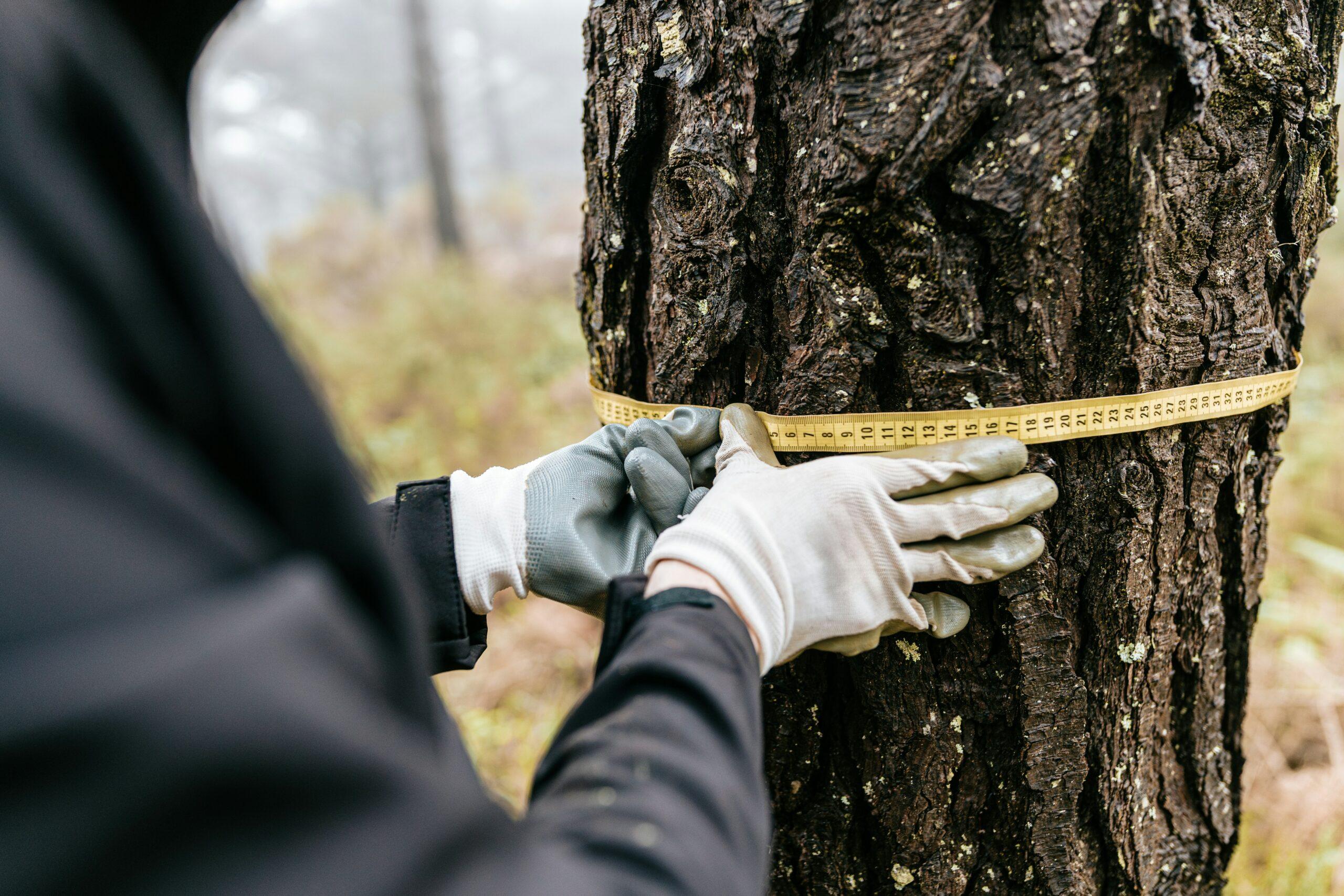
Renovating or extending your home is exciting… until the council reminds you that your beautiful gum tree isn’t just a tree. It’s a legally protected, council-monitored, root-mapped, canopy-measured natural citizen with more rights than your pergola dream.
This is where Tree Reports come in.
This blog post breaks down what Tree Reports are, why councils in Australia treat them like sacred documents, and how they affect your renovation timeline, budget, and sanity. If you're planning a home upgrade and there’s a tree within breathing distance of your design, this guide is your new best friend.
Quick Overview: What You Need to Know About Tree Reports
Before we dig into the roots of the topic, here’s the nutshell version.
Tree Reports are mandatory assessment documents prepared by a qualified arborist. Councils use them to decide whether you can remove, prune, or build near a tree during renovations or extensions.
Snapshot Summary
-
Tree Reports evaluate a tree’s health, structure, species, and risk level.
-
Councils often require them before approving renovation plans.
-
Building too close to roots or canopy zones can get your DA rejected.
-
A good Tree Report speeds up approval; a bad one… well, delays happen.
-
If you're renovating in Australia, assume you will need one. It's safer that way.
Want to dive deeper? Keep reading!
Why Tree Reports Matter During Renovations and Extensions
You may think a tree is a tree. Councils disagree. Australian homeowners quickly learn that trees are part of local environmental protection frameworks. That means your renovation can be affected by:
-
Root protection zones (RPZs)
-
Structural root damage risks
-
Local biodiversity rules
-
Heritage-listed species
-
Neighbouring tree boundaries
If your extension even thinks about getting close to a protected species, council is going to ask for a Tree Report. Without it, your renovation is going nowhere.
Why councils take this seriously
Australia has strict environmental protections, especially in urban areas where mature trees are disappearing faster than builders say “variation fee.”
Healthy trees reduce heat, support wildlife, manage soil stability, and look nicer than empty concrete slabs. Councils want to avoid unnecessary tree removal and ensure construction doesn’t kill trees slowly by strangling their roots.
In short: Tree Reports let councils approve your renovation without sacrificing the ecosystem in your backyard.
What Exactly Is Included in a Tree Report?
Not all Tree Reports are created equal, but most high-quality arborists include:
1. Tree Identification
-
Species (native or exotic)
-
Botanical name
-
Common name
-
Size, height, and canopy spread
2. Health & Structural Assessment
-
Is it healthy? Dying? Leaning ominously toward your garage?
-
Are branches structurally sound?
-
Is there disease, decay, or pests?
3. Root Protection Zone
This is one of the biggest factors affecting your renovation blueprint.
Arborists calculate an RPZ radius that determines the safe distance for construction.
4. Risk Assessment
The arborist evaluates the likelihood of failure (like a branch dropping on your brand-new alfresco dining area).
5. Impact Analysis
How your proposed renovation affects the tree:
-
Excavation
-
Trenching
-
Soil compaction
-
New slab construction
-
Drainage changes
6. Recommendations
This is where homeowners either sigh in relief or panic:
-
Pruning options
-
Protection measures
-
Whether removal is acceptable
-
Conditions needed for council approval
Did You Know?
Many councils won’t even look at your plans without a Tree Report if you have mature vegetation on site. Jump the queue by preparing one early.
How Tree Reports Affect Your Renovation Approval
This is where reality sets in. Tree Reports can:
1. Change Your Building Design
You might need to shift your extension 1–2 metres to accommodate root zones.
Sure, it’s mildly irritating, but better than cracking your slab later.
2. Increase or Reduce Your Costs
-
Avoiding major root zones = less structural engineering drama.
-
Removing a protected tree without a report = hefty fines.
-
Designing around trees can add costs but prevents worse surprises.
3. Speed Up Approval (if done right)
A well-written Tree Report:
-
Answers council’s questions upfront
-
Shows you’ve done your environmental homework
-
Reduces the back-and-forth email marathon
4. Prevent Costly Delays
Poor or incomplete Tree Reports often result in:
-
Rejections
-
Requests for additional information
-
Mandatory redesigns
Pro Tip: Choose an AQF Level 5 arborist. Anything less and the council might treat the report like fan fiction.
Common Tree Issues Found During Renovation Assessments
Renovations often reveal problems homeowners didn’t know existed.
1. Hidden Root Damage
Pipes, old trenches, and soil compaction can affect structural stability.
2. Trees Too Close to Foundations
Some species are infamous for aggressive roots (you know who you are, ficus).
3. Overextended Canopies
Your future second-storey extension may intrude into protected canopy areas.
4. Disease or Decay
A diseased tree might be approved for removal, but only with proper reporting.
5. Neighbouring Tree Complications
If your neighbour’s tree roots extend into your property, congratulations — it’s still your problem during renovations.
Quick Guide: Navigating Tree Reports During Home Extensions
Imagine planning a gorgeous home extension only to discover the gum tree near your fence has more influence over the DA than you do. This is a common situation for homeowners expanding their footprint.
Common Challenges
-
Does my extension sit too close to a protected tree?
-
Will excavation damage important roots?
-
What if the tree is on the neighbour’s side but affecting my build?
How to Solve It (Practical Tips)
Identify Protected Trees Early
Check council rules before drawing your floor plan. Seriously, don't skip this.
Get an Arborist On-Site Before Finalising Designs
A quick visit now prevents a painful redesign later.
Design With Root Zones in Mind
Allow buffers where possible. A small shift in your plan can save weeks of delays.
Use Tree Protection Measures During Construction
Barriers, mulching, and careful excavation go a long way.
Why It Works
This approach saves time, prevents awkward surprise costs, and keeps your project compliant. Instead of reacting to council demands, you're one step ahead.
Interactive Section: Quick Tree Awareness Quiz
Just for fun (and to check if you're secretly planning to cut corners):
1. If a tree is “close enough to touch the house,” you should:
-
A) Ignore it
-
B) Assume it’s fine
-
C) Get a Tree Report
-
D) Panic
Correct answer: C — though D is relatable.
2. Can you remove a tree without council approval?
Only if you enjoy fines. Or unless it's exempt according to your local rules.
3. Does building over roots kill trees?
Yes, and councils hate that.
How to Choose the Right Arborist for Your Tree Report
Not all arborists are created equal, and councils do check qualifications.
What to Look For
-
AQF Level 5 certification
-
Experience with local council approvals
-
Clear, detailed reports (not two pages of vague poetry)
-
Insurance and professional liability coverage
Red Flags
-
Suspiciously cheap quotes
-
Reports that look copy-pasted
-
"Mate, she'll be right" energy
A Good Arborist Should:
-
Provide precise measurements
-
Offer practical recommendations
-
Communicate clearly with builders and designers
Expert Insight:
A strong Tree Report isn’t just compliance — it’s a negotiation tool between you and the council.
FAQs About Tree Reports for Renovations and Extensions
1. Do all renovations in Australia require a Tree Report?
Not all, but any project near significant vegetation or protected species usually will. Check local council guidelines, because they love to vary.
2. How much does a Tree Report cost?
Typically $300–$800 depending on complexity. If someone quotes $50, that’s not a Tree Report — that’s a red flag wearing a high-vis vest.
3. What if the arborist recommends removing the tree?
Council may approve it if:
-
The tree is hazardous
-
It’s diseased
-
It’s unsuitable for the site
But you still need the formal report.
4. Will a Tree Report slow down my DA?
If done early, no. If done late, absolutely.
5. What happens if I ignore the need for a Tree Report?
Enjoy:
-
Fines
-
DA rejection
-
Forced redesigns
-
A phone call from council you really didn’t want
6. Can a neighbour complain about my tree or renovation plans?
Of course. Neighbours complaining is practically a national sport.
Conclusion
Renovations and extensions are big milestones, and the last thing you want derailing them is a tree you didn’t think twice about. Tree Reports ensure your project is safe, compliant, and environmentally responsible.
They help protect your investment, keep the council happy, and maintain the natural beauty of your property.
Trees may be stubborn, but with the right preparation, you can build the home you want without turning your backyard ecosystem upside down. A good Tree Report is the bridge that gets you there.

 English
 Arabic
 French
 Spanish
 Portuguese
 Deutsch
 Dutch
Dutch
 Italiano
 Russian
 Romaian
 Portuguese (Brazil)
 Greek
Greek