


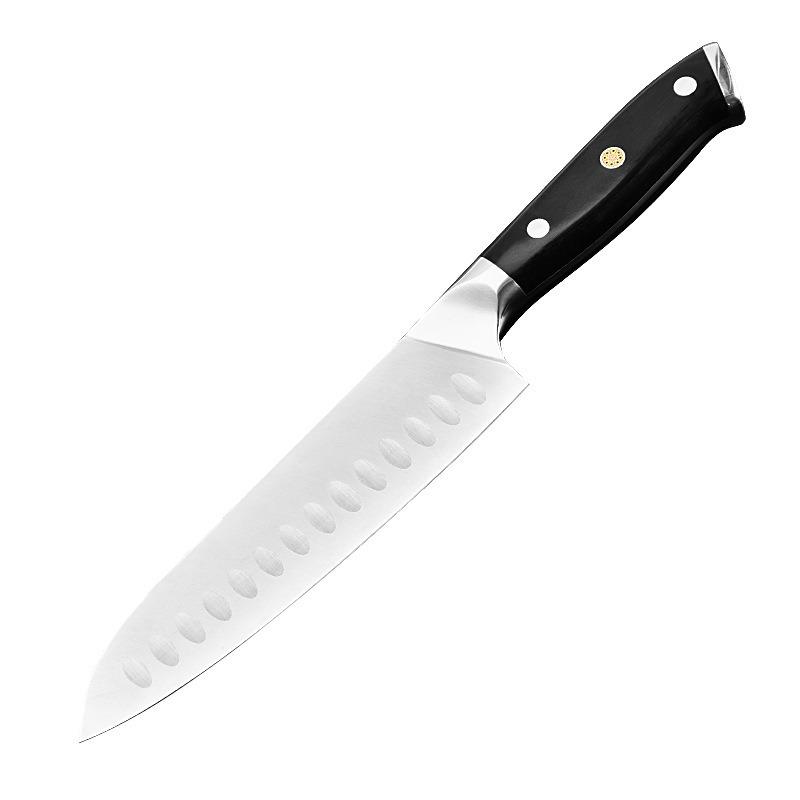
The world of culinary tools is vast, yet few items command as much respect as Japanese kitchen knives because of their storied history. These blades are not merely utensils but are considered the pinnacle of functional art, born from the same legendary metalworking traditions that once produced samurai swords. When you hold a handcrafted blade from Seki or Sakai, you are gripping centuries of refined technique passed down through generations of master blacksmiths. This craftsmanship emphasizes a harmony between the chef and the ingredient, ensuring that every slice preserves the integrity, texture, and flavor of the food being prepared.
The Soul of the Blacksmith
Every great blade begins in the heat of a forge where the blacksmith breathes life into raw steel. The process of creating Japanese kitchen knives involves an intense ritual of heating, hammering, and folding metal to achieve a perfect molecular structure. This labor-intensive method allows the smith to control the carbon distribution, ensuring the final product is both incredibly hard and surprisingly resilient. Unlike mass-produced Western cutlery, these blades are often forged by hand in small workshops where the artisan listens to the ring of the hammer to determine if the steel has reached its peak potential and strength.
Mastering the Single Bevel
One of the most defining characteristics of traditional Japanese cutlery is the use of a single-bevel edge. While most global blades are sharpened on both sides, high-end Japanese kitchen knives feature a Kataba edge which allows for unmatched precision and cleanliness during delicate tasks. This unique geometry means the blade glides through protein or vegetables with minimal resistance, preventing the cell walls of the food from being crushed. This technical design choice is the reason why sashimi looks so vibrant and retains its juices, as the sheer sharpness of the single bevel creates a surface as smooth as glass.
The Secret of High Carbon Steel
The performance of a blade is dictated by its chemistry, specifically the balance of carbon and iron within the core. Most professional Japanese kitchen knives utilize specialized steels like Blue Steel or White Steel which are prized for their ability to take a frighteningly sharp edge. While these materials require more diligent maintenance to prevent oxidation, the reward is a cutting experience that feels almost effortless compared to softer stainless alternatives. Artisans choose these high-carbon alloys because they can be tempered to a high Rockwell hardness, allowing the edge to remain functional for much longer during heavy professional use.
Cladding and the San Mai Technique
To balance the brittleness of hard carbon steel, smiths often employ a lamination technique known as San Mai. By cladding a hard inner core between layers of tougher, more flexible stainless steel or iron, Japanese kitchen knives achieve a "best of both worlds" physical profile. This construction protects the brittle cutting core from snapping while also making the blade easier for the average home cook to maintain over time. You can often see the transition between these metal layers near the edge, a beautiful wavy line known as the hamon, which serves as a visual testament to the multi-layered construction.
The Ergonomics of the Wa-Handle
The handle of a knife is just as critical as the blade itself for ensuring comfort and control during long prep sessions. Traditional Japanese kitchen knives typically feature a "Wa" handle, which is a friction-fitted wooden grip that is much lighter than its Western counterparts. These handles are often octagonal or D-shaped to provide a secure grip even when the chef's hands are wet or oily. By using lightweight woods like ho-wood or cherry, the balance point of the knife is shifted further toward the tip, encouraging a pinch grip and providing a more nimble, agile feel during use.
The Importance of Hand Sharpening
A blade is only as good as the person who maintains it, which is why whetstone sharpening is an essential skill. Owners of Japanese kitchen knives generally avoid mechanical sharpeners or pull-through devices because they can be too aggressive and ruin the precise edge geometry. Instead, using a sequence of water stones ranging from coarse to fine allows the user to polish the bevel to a mirror finish. This meditative process is considered a continuation of the blacksmith's work, ensuring that the tool remains a surgical instrument capable of performing the most demanding culinary tasks without ever tearing the ingredients.
Aesthetics and Damascus Patterns
Beyond pure functionality, many enthusiasts are drawn to the stunning visual patterns that dance across the surface of the metal. The swirling Damascus or Suminagashi patterns found on many Japanese kitchen knives are created by layering different types of steel and acid-etching them to reveal the contrast. While these patterns do not necessarily make the knife sharper, they represent the aesthetic soul of the maker and the unique personality of each individual piece. Owning such a tool is a point of pride for many chefs, as it reflects a deep appreciation for the intersection of high-performance engineering and traditional Japanese beauty.
Choosing the Right Blade Shape
The diversity of blade shapes in the Japanese tradition ensures there is a specific tool for every conceivable task in the kitchen. Whether you are using a Santoku for general purpose chopping or a Yanagiba for slicing raw fish, Japanese kitchen knives are designed with specific tasks in mind to maximize efficiency. Understanding the difference between a Nakiri for vegetables and a Gyuto for proteins allows a cook to work with greater intentionality and less physical fatigue. This specialization is a hallmark of Japanese culinary philosophy, where using the correct tool is considered a sign of respect for the ingredients being prepared.
Preserving a Culinary Legacy
Investing in a hand-forged blade is not just about buying a kitchen tool; it is about preserving a disappearing art form. As modern manufacturing takes over, the demand for authentic Japanese kitchen knives helps keep small, family-owned smithies in business across ancient Japanese cities. These artisans continue to use charcoal fires and hand-operated power hammers to create tools that can last a lifetime if properly cared for. By choosing a handcrafted knife, you are participating in a global appreciation for quality over quantity, ensuring that the remarkable skills of the master blacksmith are passed down to the next generation of makers.

 English
 Arabic
 French
 Portuguese
 Deutsch
 Turkish
 Dutch
Dutch
 Italiano
 Russian
 Romaian
 Portuguese (Brazil)
 Greek
Greek