


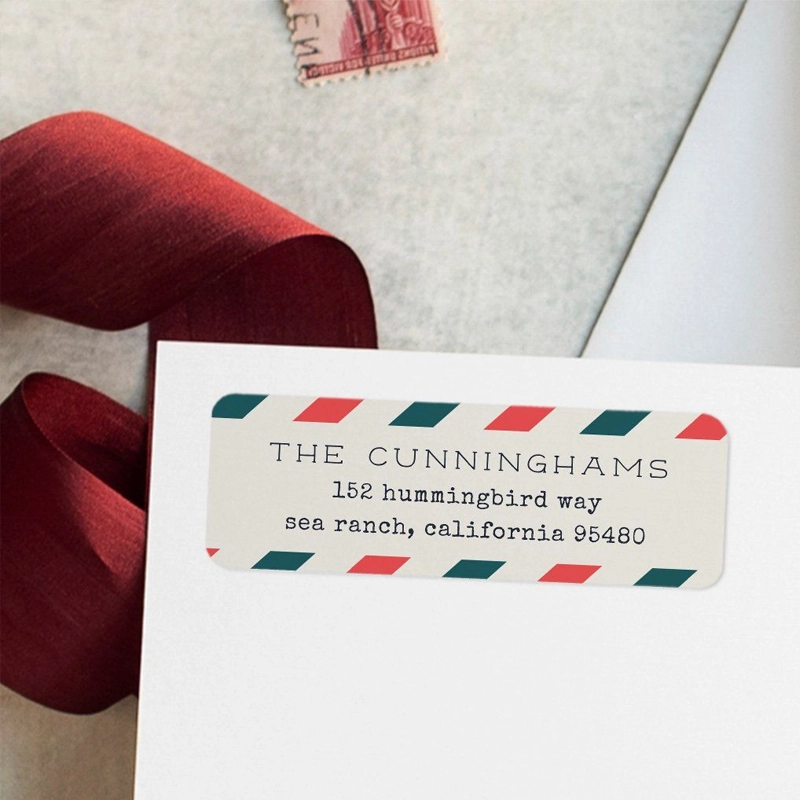
Introduction: Labels Beyond Identification
In today’s competitive marketplace, marketing does not stop at advertisements or social media campaigns. It continues right at the product level, where customers interact directly with packaging. Custom labels play a crucial role in this interaction. They are not just identifiers; they are silent marketers that influence purchasing decisions, build trust, and drive conversions.
A well-designed custom label can turn a casual browser into a buyer. It communicates value, credibility, and brand personality without saying a single word. For businesses focused on growth, understanding the marketing power of custom labels is essential.
First Impressions and Purchase Decisions
Customers make buying decisions within seconds. When they see a product, the label is often the first element they notice. Clean design, balanced colors, and readable fonts instantly signal professionalism. Poor labeling, on the other hand, can make even a high-quality product look unreliable.
Custom labels help brands control this first impression. By aligning label design with brand messaging, businesses can influence how customers feel about the product. Premium labels suggest higher quality, while clear and informative labels reduce hesitation and uncertainty.
Custom Labels for Packaging and Visual Marketing
Packaging acts as a visual advertisement, and custom labels for packaging are at the heart of this visual impact. On retail shelves, labels must compete with dozens of similar products. A well-designed label attracts attention, communicates benefits, and encourages customers to pick up the product.
In eCommerce, labels are equally important. Product images rely heavily on packaging appearance. Clear, attractive labels improve product photography, making listings look trustworthy and professional. This directly impacts click-through rates and conversions.
Custom labels allow brands to highlight unique selling points such as natural ingredients, premium quality, or sustainability, all within a limited visual space.
How Custom Labels Build Brand Trust
Trust is one of the biggest factors in conversion. Customers are more likely to buy from brands that appear transparent and professional. Custom labels help establish this trust by presenting accurate information in a clear and organized way.
When customers can easily read product details, usage instructions, and branding, they feel informed and confident. Consistent labeling across products also reinforces brand reliability. Over time, familiar labels become a symbol of quality that customers recognize and trust.
The Power to Customize Labels for Target Audiences
Different audiences respond to different visual cues. When brands customize labels, they can tailor designs to specific customer segments. Colors, typography, and layout all influence emotions and perceptions.
For example, minimal designs often appeal to premium or luxury buyers, while bold and colorful labels attract younger audiences. Customization allows brands to communicate directly with their target market without changing the product itself.
Seasonal campaigns, limited editions, and promotional offers can also be supported through customized label designs, making products feel fresh and exclusive.
Custom Labels Wholesale and Marketing Consistency
Marketing consistency is key to long-term success. Custom labels wholesale printing helps businesses maintain consistent branding across large product volumes. When labels are produced in bulk, colors, materials, and finishes remain uniform, strengthening brand recognition.
Wholesale labels also reduce costs, allowing businesses to invest more in design quality and marketing strategy. Lower per-unit costs make it easier to scale production without compromising visual appeal.
For growing brands, wholesale labeling supports expansion while maintaining a strong and consistent market presence.
How to Make Custom Labels That Convert
Understanding how to make custom labels for marketing success involves more than just design. It starts with clarity. Labels should communicate essential information quickly and clearly. Overcrowded designs confuse customers and reduce effectiveness.
Typography should be readable at a glance, even from a distance. Colors should align with brand identity and product category. High-quality printing ensures sharp details and accurate color reproduction, which directly affects perceived value.
Material choice also impacts conversions. Labels that feel sturdy and well-finished suggest durability and quality. Protective coatings prevent damage and maintain a clean appearance throughout the product’s lifecycle.
Every element of label creation should support the goal of converting interest into purchase.
Emotional Connection Through Custom Labels
Marketing is not only about information; it is also about emotion. Custom labels help brands create emotional connections with customers. Visual storytelling through labels can communicate values such as sustainability, craftsmanship, or innovation.
When customers feel emotionally connected to a product, they are more likely to choose it over competitors. Labels that reflect brand values help build loyalty and encourage repeat purchases.
The Role of Labels in Brand Recall
Brand recall is essential for long-term success. Customers may not remember every advertisement they see, but they often remember how a product looked. Custom labels help embed brand visuals into customer memory.
Consistent use of colors, fonts, and layouts across all products strengthens recognition. Over time, customers begin to identify products instantly, even without reading the brand name. This familiarity increases trust and repeat buying behavior.
Custom Labels as a Competitive Advantage
In saturated markets, small details make a big difference. Custom labels provide a competitive edge by improving product presentation and communication. Brands that invest in professional labeling appear more credible and established.
Strong labels can justify premium pricing by enhancing perceived value. Customers are often willing to pay more for products that look trustworthy and well-made.
Conclusion
Custom labels are powerful marketing tools that directly influence customer behavior and conversions. From creating strong first impressions to building trust and emotional connections, labels play a critical role in sales success. By focusing on professional design, strategic customization, and wholesale consistency, businesses can use custom labels to strengthen branding and drive long-term growth.

 English
 Arabic
 French
 Spanish
 Portuguese
 Turkish
 Dutch
Dutch
 Italiano
 Russian
 Romaian
 Portuguese (Brazil)
 Greek
Greek