


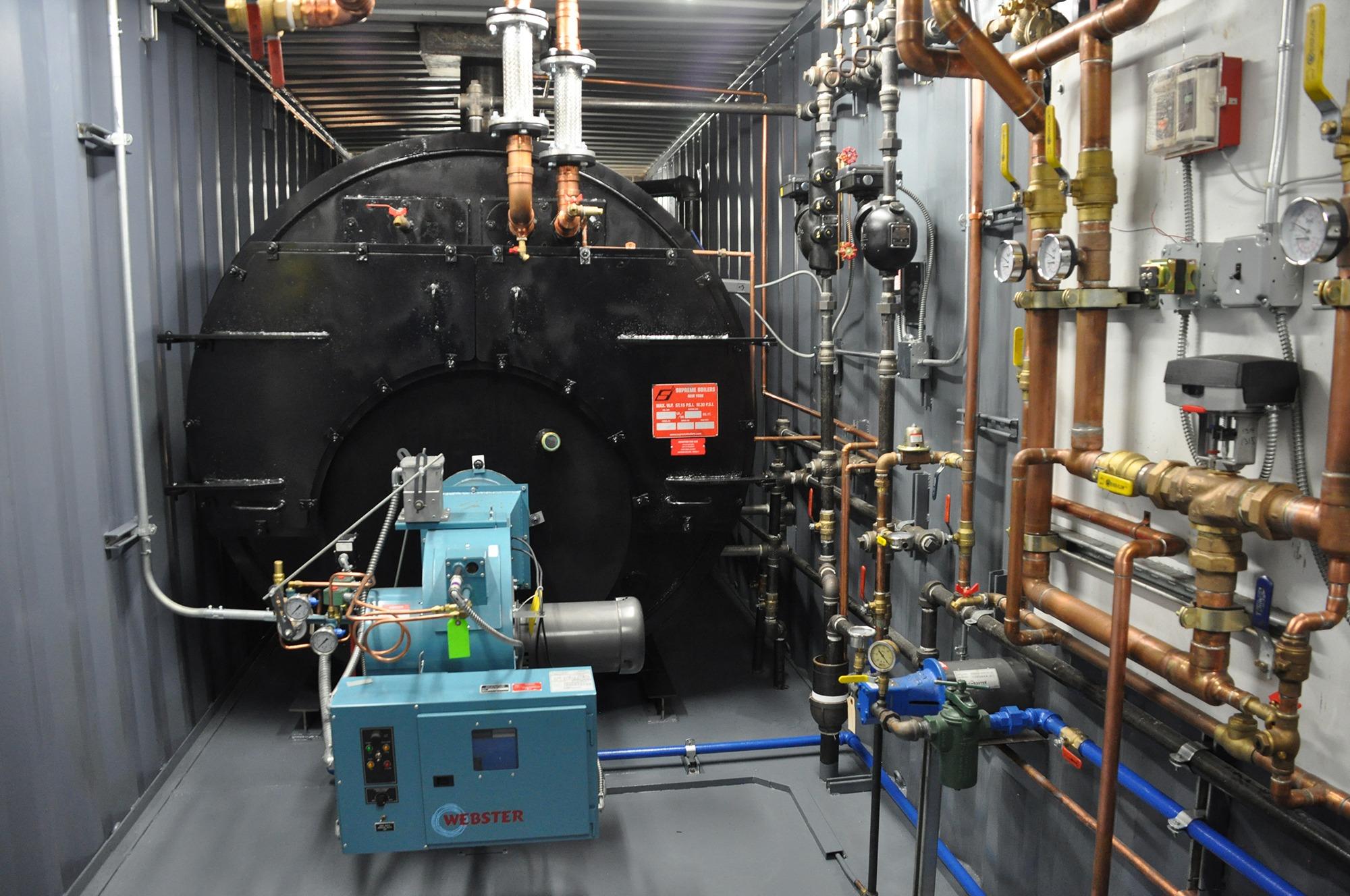
Speed matters when heat goes out.
Not in some abstract "efficiency is important" way. Actually matters. Like, there's a building full of cold tenants, or a production line sitting idle, or equipment that's supposed to stay at 70 degrees now reading 52 and dropping.
The boiler's dead. Repair estimates say two weeks minimum. Maybe three. And everyone's looking around asking what happens in the meantime.
That's when steam boiler rental shifts from "interesting option" to "the only plan that makes any sense."
Why Fast Actually Means Fast
Say "fast turnaround" to most contractors and they're thinking five business days. Week and a half if there's scheduling conflicts.
Rental companies dealing with heating emergencies work differently. They know facilities can't wait. So they don't.
Call in the morning, equipment shows up that afternoon or next day. Sometimes even same-day if it's truly urgent and they've got units available nearby. Gets connected to existing steam lines, fired up, operational within 24-48 hours start to finish.
That's genuinely fast. Not "fast for construction timelines" but actually fast in real terms.
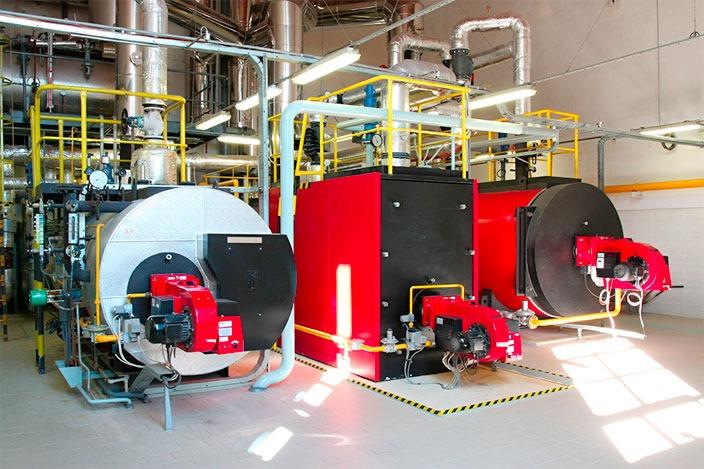
What Makes Steam Different From Regular Heat
Steam systems aren't just about keeping buildings warm. They power processes. Run equipment. Maintain specific temperatures for manufacturing or medical operations.
Can't substitute with space heaters. Can't jerry-rig something with hot water. Steam operates under pressure, moves through dedicated piping, serves purposes that other heating methods simply can't replicate.
So when a steam boiler fails, the facility needs steam specifically. Not heat in general. Steam.
That's a narrower problem with fewer solutions. Which is exactly why rental options matter so much—they're one of the only ways to restore steam generation quickly without waiting months for permanent equipment.
The Timeline Problem Everyone Faces
Permanent boiler installation takes forever.
Not exaggerating. Order the equipment—two to six weeks depending on size and specifications. Schedule installation—another few weeks, longer during busy season. Get inspections, permits, final approvals—add more time.
Fastest permanent installation from "boiler died" to "new boiler fully operational" is about a month. Most take longer. Some take three or four months.
Nobody can sit without heat that long. Tenants leave. Operations shut down. Money drains away daily.
Rental equipment solves the timeline problem. Gets steam flowing again immediately while the permanent solution crawls through its normal bureaucratic process.
New York Deals With This More Than Most Places
Old cities have old infrastructure. Just how it is.
New York boiler systems in pre-war buildings have been running for decades. Some for seventy, eighty years. They're well-maintained, sure, but everything has a lifespan. And the city's full of buildings approaching or past that lifespan on their heating systems.
When those systems finally give up, replacement becomes urgent. Not just because it's winter and cold, but because New York's regulations around heat provision are strict. Buildings must maintain specific temperatures during heating season. Fall short and fines start immediately. Daily penalties that add up fast.
So building managers face pressure from multiple directions—tenants demanding heat, city regulations enforcing compliance, weather refusing to cooperate. Need solutions that work now, not eventually.
That's where rental equipment proves its value. Restores heat in days instead of months. Keeps buildings compliant while permanent repairs happen at a more realistic pace.
What Actually Happens During Installation
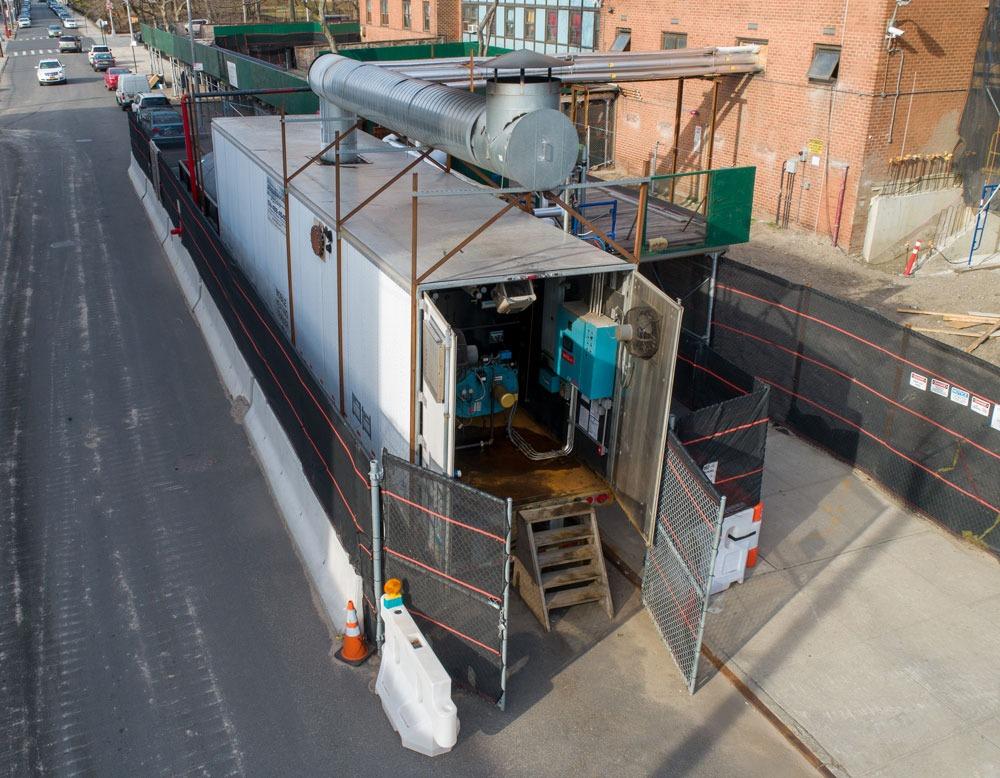
Rental boiler shows up on a truck. Usually a big truck—these aren't small units.
Technicians assess the existing steam distribution system. Figure out connection points. Run lines from the rental unit to the building's steam infrastructure. Test pressure. Check for leaks. Make adjustments.
Then fire it up and verify steam's flowing properly to all the places it needs to go.
Whole process takes a day or two in straightforward situations. Maybe a bit longer if the building's system is particularly old or unusual, which happens more often than anyone would prefer.
But even complicated installations happen faster than waiting for permanent equipment. That's the entire point.
The Cost Question That Misses the Point
People always ask if rentals are expensive.
Compared to what?
Compared to shutting down completely? Rentals are incredibly cheap. One week without heat in a commercial building costs more than a month of rental fees when factoring in lost revenue, violations, tenant issues, and operational disruptions.
Compared to permanent equipment? Sure, daily rental fees add up. But permanent equipment can't arrive tomorrow. Can't even arrive next week. Rental equipment can.
The question isn't whether rentals cost money. Obviously they do. The question is whether downtime costs more. And the answer is always yes.
When Permanent Repairs Take Longer Than Expected
This happens constantly.
Initial estimate says one thing. Reality delivers something else. Part's backordered. Inspection gets delayed. Contractor discovers additional problems during teardown.
That "two week repair" becomes a month. Sometimes longer.
Having rental equipment already in place means these delays don't matter as much. Heat keeps flowing. Operations continue normally. Facility just extends the rental agreement and waits for the permanent work to actually finish.
Without rentals? Those delays mean extra weeks of downtime. More lost revenue. More violations. More problems piling up.
Different Industries, Same Core Need
Hospitals can't operate without reliable steam. It's not optional for sterilization, heating, and dozens of other critical functions.
Manufacturing facilities need consistent temperatures for processes that can't just pause and restart without major consequences.
Commercial buildings need to keep tenants warm and maintain lease agreements.
Universities need to keep dorms, cafeterias, and academic buildings operational during winter terms.
All different contexts. Same fundamental problem when steam generation fails—everything stops until it's restored.
Rental equipment works for all of these situations. Scaled appropriately for the specific capacity needs, but functionally identical in purpose. Temporary steam generation that bridges the gap between "system failed" and "permanent solution installed."
The Preparation Most Facilities Skip
Most places don't think about rental equipment until they desperately need it.
Then they're scrambling. Searching for providers during an emergency. Comparing prices while the building's already cold. Trying to arrange delivery and installation while also managing all the other chaos that comes with heating failures.
Not ideal timing for careful decision-making.
Facilities that handle emergencies well usually prepared beforehand. Not predicting when their boiler would fail—can't do that. But knowing what they'd do when it happened.
They've already researched local rental providers. Already understand capacity requirements. Already have contact information saved and maybe even a service agreement that guarantees priority response.
When their boiler dies, they make one phone call and equipment's on the way. Problem gets solved in days instead of spiraling into weeks of chaos.
Why Response Time Matters More Than Price
During heating emergencies, speed beats savings.
A provider that's slightly cheaper but takes four days longer to deliver equipment just cost more in the long run. Those extra four days mean more downtime, more violations, more angry calls, more lost revenue.
The provider that's a bit more expensive but has equipment on site same-day? That's actually the better deal when accounting for what those extra days of downtime would've cost.
This is why facilities with existing vendor relationships recover faster. They're not price shopping during emergencies. They're calling someone who already knows their building, already has appropriate equipment, and can move immediately.
The Reality Check Nobody Wants
Boilers fail. That's not pessimism, just statistics.
Everything mechanical eventually breaks down. The older it is, the more likely failure becomes. And major cities are full of buildings with decades-old heating systems all approaching end of life simultaneously.
Can't prevent all failures. But facilities can control how they respond to them.
Have a plan. Know who to call. Understand what equipment capacity is needed. Keep that information accessible so it's available at 3 AM when emergencies actually happen.
Won't stop boilers from breaking. Just means when they do, heat gets restored in two days instead of two weeks.
And honestly? That difference matters more than just about anything else.

 Arabic
 French
 Spanish
 Portuguese
 Deutsch
 Turkish
 Dutch
Dutch
 Italiano
 Russian
 Romaian
 Portuguese (Brazil)
 Greek
Greek