


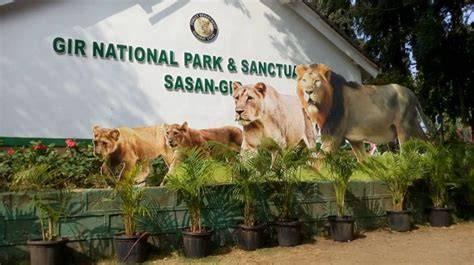
Gir National Park, located in Gujarat’s Junagadh district, is the only natural habitat of the Asiatic lion. Planning your trip around the best time to visit Gir National Park ensures you enjoy the safaris, wildlife sightings, and cultural experiences to the fullest. Spread across 1,412 sq km, it is home to diverse wildlife, including leopards, hyenas, antelopes, and over 300 bird species.
This article explores Gir’s climate, seasonal highlights, safari timings, festivals, and travel tips in detail—so you can plan your journey with confidence.
🌄 Introduction to Gir National Park
-
Gir was established in 1965 to protect the Asiatic lion.
-
Today, it is one of India’s most popular wildlife sanctuaries.
-
The park’s climate is tropical, with hot summers, pleasant winters, and heavy monsoons.
-
Choosing the right season is crucial for maximizing wildlife sightings and comfort.
🗓️ Seasonal Breakdown
1. Winter (November–February) – Peak Season
-
Weather: Cool and pleasant, 8°C–25°C.
-
Why Visit: Best time for safaris, photography, and birdwatching.
-
Highlights:
-
Clear skies and comfortable temperatures.
-
High chances of spotting lions and leopards.
-
Migratory birds flock to Gir, making it a paradise for birdwatchers.
-
-
Travel Tip: Book safaris well in advance, as demand is high.
2. Summer (March–June) – Lion Spotting Season
-
Weather: Hot and dry, 30°C–45°C.
-
Why Visit: Easier to spot lions near waterholes.
-
Highlights:
-
Sparse vegetation improves visibility.
-
Morning and evening safaris are more comfortable.
-
-
Travel Tip: Carry sunscreen, hats, and plenty of water.
3. Monsoon (July–September) – Closed Season
-
Weather: Heavy rainfall, lush greenery.
-
Why Avoid: Park remains closed to visitors for safety and conservation.
-
Highlights:
-
Breeding season for wildlife.
-
Scenic beauty, but inaccessible for tourists.
-
🦁 Safari Timings
-
Safaris operate twice daily:
-
Morning: 6:00 AM – 9:00 AM
-
Evening: 3:00 PM – 6:00 PM
-
-
Winter safaris are most comfortable, while summer safaris offer better lion sightings.
🎉 Festivals and Events
Visiting Gir during local festivals adds cultural richness to your trip:
-
Navratri (October): Celebrated across Gujarat with dance and devotion.
-
Makar Sankranti (January): Famous kite festival.
-
Gir Birding Festival (Winter): Attracts birdwatchers from around the world.
🏞️ Wildlife Experience by Season
-
Winter: Best for overall safari experience, photography, and birdwatching.
-
Summer: Best for lion sightings and predator activity.
-
Monsoon: Closed, but nearby attractions like Somnath and Junagadh can be explored.
🚆 How to Reach Gir National Park
-
By Air: Rajkot Airport (160 km) and Diu Airport (100 km).
-
By Rail: Junagadh and Veraval stations are closest.
-
By Road: Well-connected highways from Ahmedabad, Rajkot, and Somnath.
🧳 Travel Tips
-
Book safaris online in advance.
-
Carry binoculars and cameras for wildlife spotting.
-
Wear light cotton clothes in summer, woolens in winter.
-
Respect park rules—avoid littering and maintain silence during safaris.
-
Stay hydrated and carry sunscreen.
📈 Growth of Tourism
-
Gir attracts thousands of domestic and international tourists annually.
-
Government initiatives promote eco-tourism and conservation.
-
Online booking platforms make planning easier.
🌍 Why Choose Winter for Gir?
The best time to visit Gir National Park is undoubtedly November to March, when the weather is pleasant, safaris are comfortable, and wildlife sightings are abundant. Summer offers unique lion-spotting opportunities, but winter remains the most balanced season for overall experiences.
✨ Conclusion
Gir National Park is a timeless destination that continues to inspire awe and respect for nature. With its diverse offerings—wildlife safaris, cultural experiences, and eco-tourism—the best time to visit Gir National Park depends on your preferences:
-
Winter (Nov–Feb): Best overall experience.
-
Summer (Mar–Jun): Best for lion sightings.
-
Monsoon (Jul–Sep): Park closed.
If you’re planning your next trip, let Gir be your choice. It promises adventure, serenity, and unforgettable memories in the heart of Gujarat’s wilderness.

 English
 Arabic
 French
 Spanish
 Portuguese
 Deutsch
 Dutch
Dutch
 Italiano
 Russian
 Romaian
 Portuguese (Brazil)
 Greek
Greek