


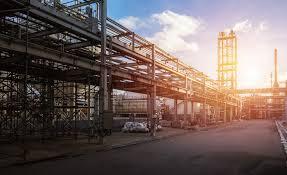
The industrial construction sector is evolving at an unprecedented pace, driven by technological advancements, sustainability goals, and changing market demands. Dubai, with its ambitious infrastructure projects, booming industrial zones, and strategic position as a global logistics hub, exemplifies this transformation. As we move through 2025, several key trends are shaping the way industrial construction projects are planned, executed, and managed. Understanding these trends is essential for developers, contractors, and investors aiming to stay competitive in this rapidly changing landscape.
Embracing Digitalization and Smart Technologies
Digitalization has become a central theme in modern industrial construction. Advanced technologies such as Building Information Modelling (BIM), digital twins, and IoT-enabled sensors are revolutionizing how projects are designed, monitored, and maintained.
BIM allows project teams to create accurate 3D models of industrial facilities, enabling better collaboration between architects, engineers, and contractors. This reduces errors, minimizes clashes, and ensures timely project delivery. Digital twins take this a step further by providing real-time virtual representations of physical assets, allowing operators to monitor performance, predict maintenance needs, and optimize operations.
In Dubai, industrial developers are increasingly using these technologies to streamline workflows and reduce downtime. Smart factories and warehouses equipped with sensors and automated systems enable better energy management, process optimization, and predictive maintenance, improving overall efficiency and cost-effectiveness.
Focus on Sustainability and Green Construction
Sustainability is no longer optional; it is a critical requirement for industrial construction projects. In Dubai, government regulations and initiatives such as the Dubai Green Building Regulations encourage eco-friendly practices in construction. Developers are now prioritizing energy efficiency, waste reduction, and the use of sustainable materials in industrial facilities.
Solar panels, energy-efficient lighting, water recycling systems, and environmentally friendly building materials are increasingly integrated into industrial projects. These practices not only reduce environmental impact but also lower operational costs in the long term. Sustainability also plays a vital role in attracting international investors and tenants who prioritize eco-conscious infrastructure.
Prefabrication and Modular Construction
Prefabrication and modular construction are transforming the industrial construction sector by reducing on-site work, shortening construction timelines, and minimizing labor costs. Prefabricated components, such as structural panels, MEP systems, and building modules, are manufactured off-site under controlled conditions and assembled on-site.
This approach improves quality control, reduces material wastage, and ensures faster project completion. In Dubai, where speed and efficiency are critical for industrial development projects, modular construction is becoming increasingly popular for warehouses, manufacturing facilities, and logistics hubs. The trend allows developers to scale operations rapidly while maintaining high standards of construction.
Automation and Robotics
Automation and robotics are increasingly shaping the industrial construction sector. Robotic machinery, autonomous vehicles, and automated material handling systems are enhancing productivity, improving safety, and reducing manual labor requirements.
Robots can perform tasks such as bricklaying, welding, and painting with high precision and consistency. Autonomous vehicles are used for transporting materials on large construction sites, reducing delays and minimizing accidents. In Dubai, industrial construction projects are leveraging these technologies to achieve faster turnaround times, maintain consistent quality, and meet tight deadlines.
Integration of AI and Data Analytics
Artificial intelligence (AI) and data analytics are playing a crucial role in improving decision-making in industrial construction. AI algorithms can analyze vast amounts of data, identify patterns, and provide actionable insights for project planning, resource allocation, and risk management.
Predictive analytics helps project managers anticipate potential delays, optimize schedules, and allocate resources efficiently. In industrial facilities, AI-powered systems can monitor equipment performance, predict maintenance needs, and prevent costly downtime. Dubai’s industrial sector is increasingly adopting AI to enhance operational efficiency, improve safety, and reduce construction costs.
Enhanced Safety Measures
Safety continues to be a top priority in industrial construction. Advanced safety technologies such as wearable sensors, drones, and AI-based monitoring systems are improving site safety and reducing workplace accidents.
Wearable devices can track worker movements, monitor vital signs, and detect hazardous conditions in real time. Drones provide aerial inspections of construction sites, identifying potential safety risks without putting workers in harm’s way. AI systems analyze data from sensors and cameras to predict unsafe conditions and alert site managers immediately. In Dubai, where large-scale industrial projects often involve complex logistics and heavy machinery, these safety measures are becoming standard practice.
Sustainability-Driven Logistics and Supply Chain Management
Efficient supply chain management is crucial for industrial construction projects, particularly in Dubai’s rapidly expanding industrial zones. Digital tools and logistics platforms are enabling real-time tracking of materials, optimizing delivery routes, and reducing delays.
Sustainability-driven logistics is also gaining traction. Companies are focusing on reducing carbon emissions, optimizing transportation networks, and sourcing materials responsibly. By integrating sustainable logistics practices, developers can reduce costs, minimize environmental impact, and enhance the overall efficiency of industrial construction projects.
Smart Facility Management Post-Construction
The future of industrial construction is not limited to building facilities but also managing them efficiently after construction. Smart facility management systems, powered by IoT and AI, allow operators to monitor energy consumption, manage equipment, and ensure optimal performance.
In Dubai, industrial facilities such as warehouses, manufacturing plants, and logistics hubs are increasingly equipped with sensors and automated systems that provide real-time data on operations. This enables predictive maintenance, reduces energy consumption, and improves productivity. The integration of smart facility management ensures that industrial buildings remain efficient and sustainable throughout their lifecycle.
Skilled Workforce and Technology Training
As industrial construction becomes more technologically advanced, the demand for a skilled workforce is rising. Engineers, project managers, and technicians need to be proficient in BIM, AI, robotics, and data analytics to manage modern industrial projects effectively.
Dubai’s construction sector is investing in training programs, workshops, and certifications to equip professionals with the necessary skills. Collaboration between industry, educational institutions, and government agencies ensures that the workforce is prepared to handle the challenges of technologically advanced industrial construction projects.
Conclusion
The industrial construction sector in Dubai is undergoing a significant transformation driven by digitalization, sustainability, automation, and data-driven decision-making. Key trends such as the adoption of BIM and digital twins, prefabrication and modular construction, AI integration, and enhanced safety measures are reshaping how projects are planned, executed, and managed.
Sustainability and smart facility management are becoming essential components of modern industrial projects, while digital acceleration and advanced technologies are improving efficiency, reducing costs, and enhancing overall project outcomes.
Dubai’s strategic location, robust infrastructure, and commitment to innovation make it an ideal environment for implementing these trends. Developers, contractors, and investors who embrace these advancements will be better positioned to deliver high-quality, efficient, and sustainable industrial facilities that meet the demands of 2025 and beyond.
The future of industrial construction is here, and Dubai is leading the way, setting new benchmarks for efficiency, innovation, and sustainability in the sector.

 Arabic
 French
 Spanish
 Portuguese
 Deutsch
 Turkish
 Dutch
Dutch
 Italiano
 Russian
 Romaian
 Portuguese (Brazil)
 Greek
Greek