


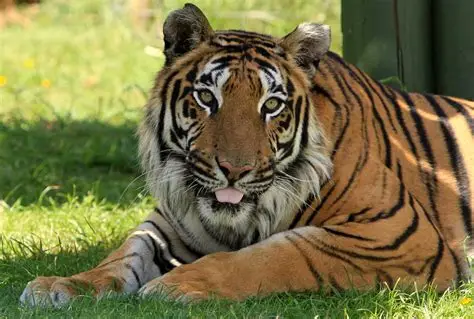
Rajasthan, the land of forts and deserts, is also home to one of India’s most celebrated wildlife destinations—Ranthambore National Park & Tiger Reserve. Located near Sawai Madhopur, this park is a paradise for nature lovers, photographers, and adventure seekers. Famous for its majestic Bengal tigers, Ranthambore offers a rare blend of history, wilderness, and culture. In this detailed guide, we’ll explore the park’s attractions, wildlife, safaris, and travel tips to help you plan an unforgettable journey.
🌍 Introduction to Ranthambore
-
Spread over 1,334 sq km, Ranthambore is one of the largest national parks in northern India.
-
Declared a Tiger Reserve in 1973 under Project Tiger.
-
Known for its tiger sightings, ancient ruins, and diverse flora and fauna.
-
Best time to visit: October to June, when safaris are open and wildlife activity is high.
🐅 Wildlife at Ranthambore National Park & Tiger Reserve
Ranthambore is synonymous with tigers, but its biodiversity goes far beyond.
-
Bengal Tigers: The star attraction, often seen roaming near lakes and fort ruins.
-
Leopards: Elusive predators found in rocky terrains.
-
Sloth Bears: Known for their shaggy coats and playful behavior.
-
Hyenas & Jackals: Scavengers that add to the ecological balance.
-
Deer Species: Chital, sambar, and nilgai are commonly spotted.
-
Reptiles: Marsh crocodiles basking near lakes.
-
Birds: Over 300 species, including crested serpent eagles, kingfishers, and migratory birds.
🏞️ Zones of Ranthambore
The park is divided into 10 safari zones, each offering unique landscapes and wildlife experiences.
-
Zone 1–5: Core areas with higher chances of tiger sightings.
-
Zone 6–10: Buffer zones, rich in birdlife and scenic beauty.
-
Popular lakes like Padam Talao and Rajbagh Talao are hotspots for wildlife photography.
🛕 Historical Attractions Inside the Park
Ranthambore is not just about wildlife—it’s also steeped in history.
Ranthambore Fort
-
A UNESCO World Heritage Site under Hill Forts of Rajasthan.
-
Built in the 10th century, offering panoramic views of the park.
-
Houses temples dedicated to Lord Ganesha and Shiva.
Ancient Ruins
-
Scattered temples, cenotaphs, and hunting lodges.
-
These ruins create a dramatic backdrop for wildlife photography.
🚙 Safari Experience
Types of Safaris
-
Jeep Safari: 6-seater open jeeps, ideal for close encounters.
-
Canter Safari: 20-seater open buses, suitable for groups.
Timings
-
Morning: 6:30–10:00 AM
-
Evening: 2:30–6:00 PM
Booking
-
Online permits available through Rajasthan Forest Department.
-
Advance booking recommended, especially in peak season.
🌳 Flora of Ranthambore
-
Dominated by dry deciduous forests.
-
Dhok trees cover most of the park.
-
Banyan and peepal trees add to the sacred aura.
-
Grasslands and lakes support diverse ecosystems.
🎉 Festivals and Cultural Experiences
-
Ganesh Chaturthi: Celebrated at the Ganesha Temple inside Ranthambore Fort.
-
Local Fairs: Folk music, dance, and handicrafts enrich the cultural vibe.
-
Wildlife Photography Festivals: Organized by local communities and resorts.
🍴 Cuisine Around Ranthambore
-
Rajasthani Thali: Dal baati churma, gatte ki sabzi.
-
Street Food: Kachori, samosa, jalebi.
-
Resort Dining: Fusion of Indian and continental dishes.
🛍️ Shopping in Sawai Madhopur
-
Wildlife Souvenirs: Tiger-themed handicrafts and paintings.
-
Local Crafts: Block-printed textiles, wooden toys.
-
Markets: Near railway station and local bazaars.
🚗 Connectivity and Infrastructure
-
Air: Nearest airport is Jaipur (180 km).
-
Rail: Sawai Madhopur railway station connects to Delhi, Mumbai, and Jaipur.
-
Road: Well-connected highways from Jaipur and Kota.
-
Stay Options: Luxury resorts, eco-lodges, and budget hotels.
📈 Conservation Efforts
-
Ranthambore is part of Project Tiger, ensuring protection of Bengal tigers.
-
Community-based eco-tourism initiatives support local livelihoods.
-
Strict rules against poaching and habitat destruction.
🧭 Suggested Itineraries
3-Day Quick Tour
-
Day 1: Arrival, evening safari.
-
Day 2: Morning safari, Ranthambore Fort, Padam Talao.
-
Day 3: Birdwatching and departure.
5-Day Extended Tour
-
Day 1: Arrival, orientation.
-
Day 2: Morning safari, fort visit.
-
Day 3: Jeep safari in core zones.
-
Day 4: Cultural exploration in Sawai Madhopur.
-
Day 5: Departure.
7-Day Wildlife & Heritage Tour
-
Day 1–2: Safaris in different zones.
-
Day 3: Fort and temples.
-
Day 4: Birdwatching and photography.
-
Day 5: Local crafts and cuisine.
-
Day 6: Safari in buffer zones.
-
Day 7: Departure.
✨ Conclusion
Ranthambore National Park & Tiger Reserve is more than a wildlife destination—it’s a journey into nature, history, and culture. From the roar of Bengal tigers to the silence of ancient ruins, from the thrill of jeep safaris to the serenity of lakes, Ranthambore offers experiences that linger in memory. Whether you’re a wildlife enthusiast, a photographer, or a cultural traveler, Ranthambore promises an unforgettable adventure in the heart of Rajasthan.

 English
 Arabic
 French
 Spanish
 Portuguese
 Deutsch
 Turkish
 Italiano
 Russian
 Romaian
 Portuguese (Brazil)
 Greek
Greek