


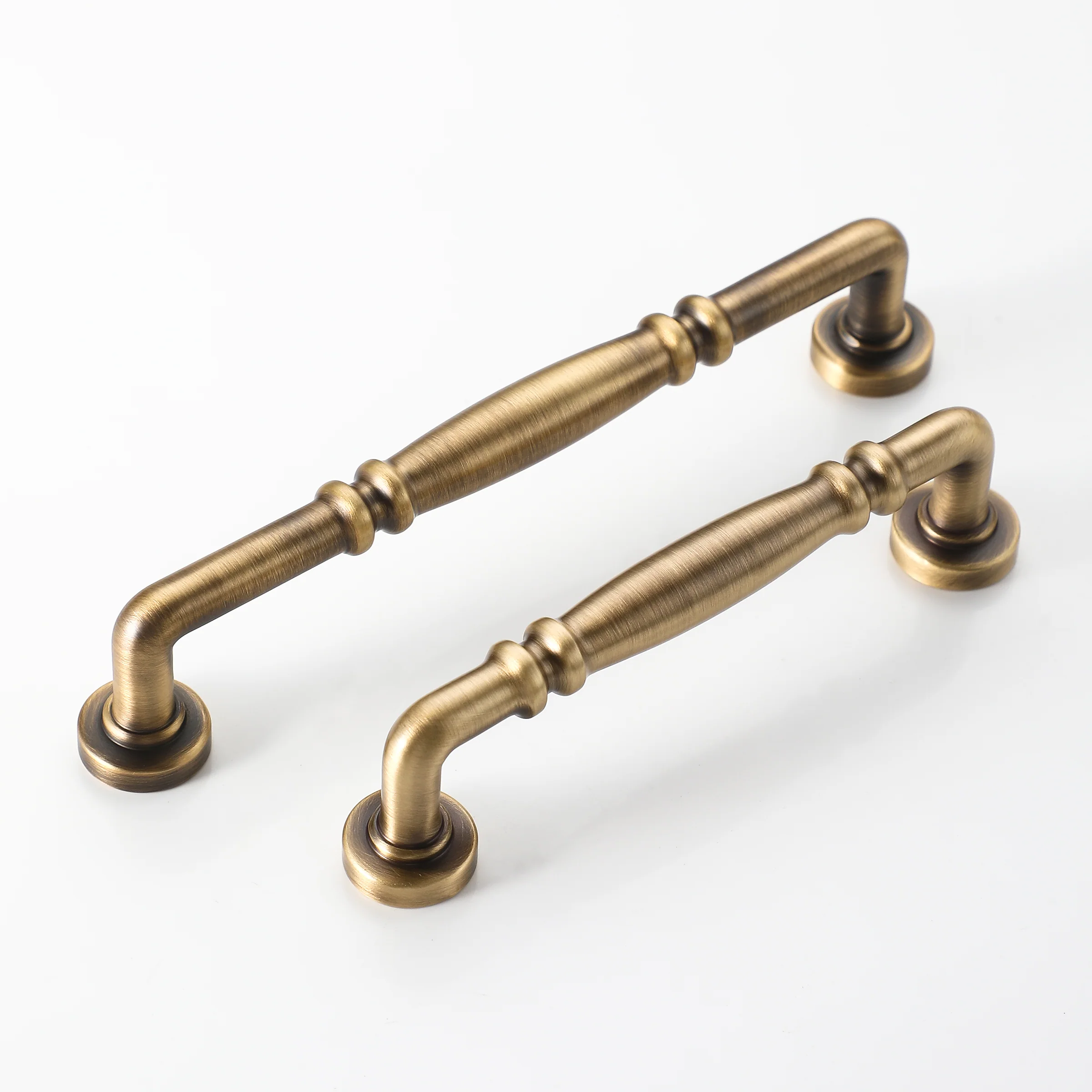
Antique brass plating has become one of the most sought-after metal finishing techniques across industries ranging from interior décor and hardware manufacturing to jewelry, automotive restoration, architecture, and specialty product design. With its rich aged-metal appearance, warm brown-gold tone, and vintage aesthetic, antique brass plating delivers both beauty and functionality — making it a preferred finish for designers, manufacturers, and artisans worldwide.
In this comprehensive 1500-word guide, we explore everything you need to know about antique brass plating — what it is, how it works, its benefits, applications, process steps, maintenance requirements, and why businesses today are increasingly opting for this elegant surface finish.
What Is Antique Brass Plating?
Antique brass plating is a metal finishing process in which a thin coating of brass is electroplated onto an object and then chemically or mechanically aged to create a naturally weathered, vintage look. Unlike standard brass plating, which appears bright and shiny, antique brass is intentionally darkened, oxidized, or patinated to resemble brass that has aged over decades.
This aesthetic is achieved by:
-
Applying a brass layer onto the base metal
-
Treating the surface with antiquing solutions
-
Darkening crevices while leaving raised areas polished
-
Sealing the finish with lacquer or protective coating
The result is a smooth, beautiful, earthy tone with a mix of gold, brown, and black highlights — capturing the charm of aged metal with the durability of a protective plated layer.
Why Antique Brass Has Become So Popular
Timeless Aesthetic Appeal
The antique look never goes out of style. Its warm and rustic tone complements both modern minimalist designs and vintage architectural themes. The finish also blends seamlessly with wood, stone, leather, and other natural materials.
Versatility Across Industries
From high-end hotels to luxury furniture and from jewelry to industrial hardware, antique brass plating enhances a wide variety of products. Its adaptability makes it a preferred choice for manufacturers.
Superior Durability
Plated antique brass is resistant to corrosion, tarnish, and everyday wear. With the right finishing sealants, the surface maintains its beauty for years.
Enhanced Product Value
Items plated with antique brass appear premium, handcrafted, and historical, increasing the perceived value of the product.
Flexibility in Shade and Texture
The finish can be dark, medium, or light — depending on customer requirements. It can also be glossy, satin, or matte, allowing full customization.
How Antique Brass Plating Works: Step-by-Step Process
Antique brass plating requires both electroplating skill and artistic finishing techniques. Below is the typical production process manufacturers and plating experts follow:
Surface Preparation
The base metal (usually brass, steel, zinc, iron, copper, or aluminum) is cleaned thoroughly.
Steps include:
-
Degreasing
-
Mechanical polishing
-
Acid cleaning
-
Rinsing
Proper cleaning is essential to achieve a smooth, even plating layer.
Base Coating
Depending on the object, a copper or nickel strike layer may be applied to improve adhesion. This is especially important for iron, aluminum, and zinc alloys.
Brass Electroplating
The object is submerged in a brass electroplating solution containing copper and zinc ions. An electrical current deposits a uniform brass layer onto the item.
The thickness of this layer varies depending on the customer's need — typically between 5 to 20 microns.
Antiquing Treatment
Once the brass coating is complete, the surface undergoes aging treatments to darken the metal. Common antiquing methods include:
-
Chemical patination using sulfides or oxides
-
Liver of sulphur treatment
-
Oxidizing solutions
-
Heat aging
This creates the signature darkened look.
Highlighting / Buffing
After darkening, selective polishing is done to bring out highlights and create contrast. High points become gold-toned while lower points stay darker, enhancing the antique effect.
Sealing and Lacquering
A final transparent lacquer or clear powder coating protects the finish from moisture, fingerprints, and oxidation.
This ensures long-lasting durability and color stability.
Types of Antique Brass Finishes
Manufacturers offer multiple antique brass styles depending on the final look required. Some of the most common finishes include:
Dark Antique Brass
A rich, brownish-black color with strong contrasts. Ideal for vintage and industrial interior themes.
Medium Antique Brass
Balanced between dark and light — a warm finish preferred for furniture hardware.
Light Antique Brass
More gold-toned with mild darkening. Often used for jewelry, hotel interiors, and décor accessories.
Brushed Antique Brass
A satin-textured finish with subtle grain marks, perfect for modern and retro designs.
Matte Antique Brass
Non-reflective and smooth — popular in luxury fittings and architectural hardware.
Each variant has its own charm, but they all deliver a rustic, aged elegance that elevates product design.
Applications of Antique Brass Plating
Antique brass plating is used across a diverse range of industries due to its aesthetic and functional strengths. Common applications include:
Furniture Hardware
-
Door handles
-
Cabinet knobs
-
Drawer pulls
-
Hinges and brackets
Antique brass gives furniture a luxurious yet historic appeal.
Interior Décor
-
Lighting fixtures
-
Chandelier parts
-
Curtain rods
-
Decorative frames
-
Bathroom accessories
Its warm tone creates a cozy, sophisticated environment.
Architectural Hardware
-
Railings and balustrades
-
Switch plates
-
Window and door hardware
-
Hotel interior elements
Used widely in upscale villas, hotels, and restoration projects.
Fashion & Jewelry
-
Pendants
-
Rings
-
Watch components
-
Belt buckles
-
Buttons
Antique brass adds a handcrafted, artisanal finish.
Automotive & Restoration
-
Classic car parts
-
Motorcycle accessories
-
Vintage vehicle detailing
Restorers love antique brass to replicate original finishes.
Industrial & Specialty Components
-
Musical instruments
-
Scientific instruments
-
Sporting goods
-
Marine hardware
It offers corrosion resistance along with a classic look.
Benefits of Antique Brass Plating for Manufacturers
Premium Market Appeal
Products with antique brass finishes are perceived as high-end, making it easier to target luxury markets.
Cost-Effective Alternative to Solid Brass
Solid brass components are expensive. Plating provides the same look at a fraction of the cost.
Improved Durability
Enhanced resistance to:
-
Rust
-
Oxidation
-
Humidity
-
Wear and tear
Makes plated products long-lasting even in demanding environments.
Lightweight Finishing Option
Brass plating allows manufacturers to use lightweight base metals while retaining an elegant finish.
Customizable Shades
Manufacturers can meet client-specific color and texture requirements.
Caring for and Maintaining Antique Brass-Plated Items
While antique brass plating is durable, proper care helps extend the life of the finish:
-
Clean with mild soap and water
-
Avoid abrasive cleaners
-
Use soft microfiber cloths
-
Do not use harsh chemicals
-
Apply wax coatings occasionally (if unlacquered)
With simple maintenance, the finish remains intact for many years.
Antique Brass Plating vs Other Brass Finishes
| Finish Type | Appearance | Durability | Cost | Best For |
|---|---|---|---|---|
| Antique Brass | Aged, darkened, vintage | High | Moderate | Décor, furniture, architectural products |
| Polished Brass | Bright, shiny | Moderate | Moderate | Luxury fittings, ornaments |
| Brushed Brass | Satin texture | High | Moderate | Modern interior hardware |
| Solid Brass | Natural brass composition | Very high | High | Premium and heavy-duty applications |
Antique brass stands out due to its classical charm and widespread appeal for both contemporary and vintage designs.
Why Antique Brass Plating Is Essential for Modern Interior and Product Design
In today’s design world, customers prefer finishes that blend tradition with modernity. Antique brass achieves exactly that — offering a warm aesthetic while maintaining strength, function, and durability.
Its neutral yet luxurious tone complements styles such as:
-
Industrial
-
Rustic
-
Classic European
-
Bohemian
-
Modern farmhouse
-
Vintage luxury
-
Minimalist
This makes it a universal finish suitable for homes, hotels, offices, and commercial spaces.
Conclusion
Antique brass plating continues to be a top choice for manufacturers and designers looking for an elegant, timeless, and durable finish. With its blend of beauty and performance, this plating technique brings out the best in furniture hardware, jewelry, interior décor, architectural elements, and countless other products.
Its classic aged appearance enhances the identity of any item, making it stand out while offering exceptional longevity and value.

 English
 Arabic
 French
 Spanish
 Portuguese
 Turkish
 Dutch
Dutch
 Italiano
 Russian
 Romaian
 Portuguese (Brazil)
 Greek
Greek