


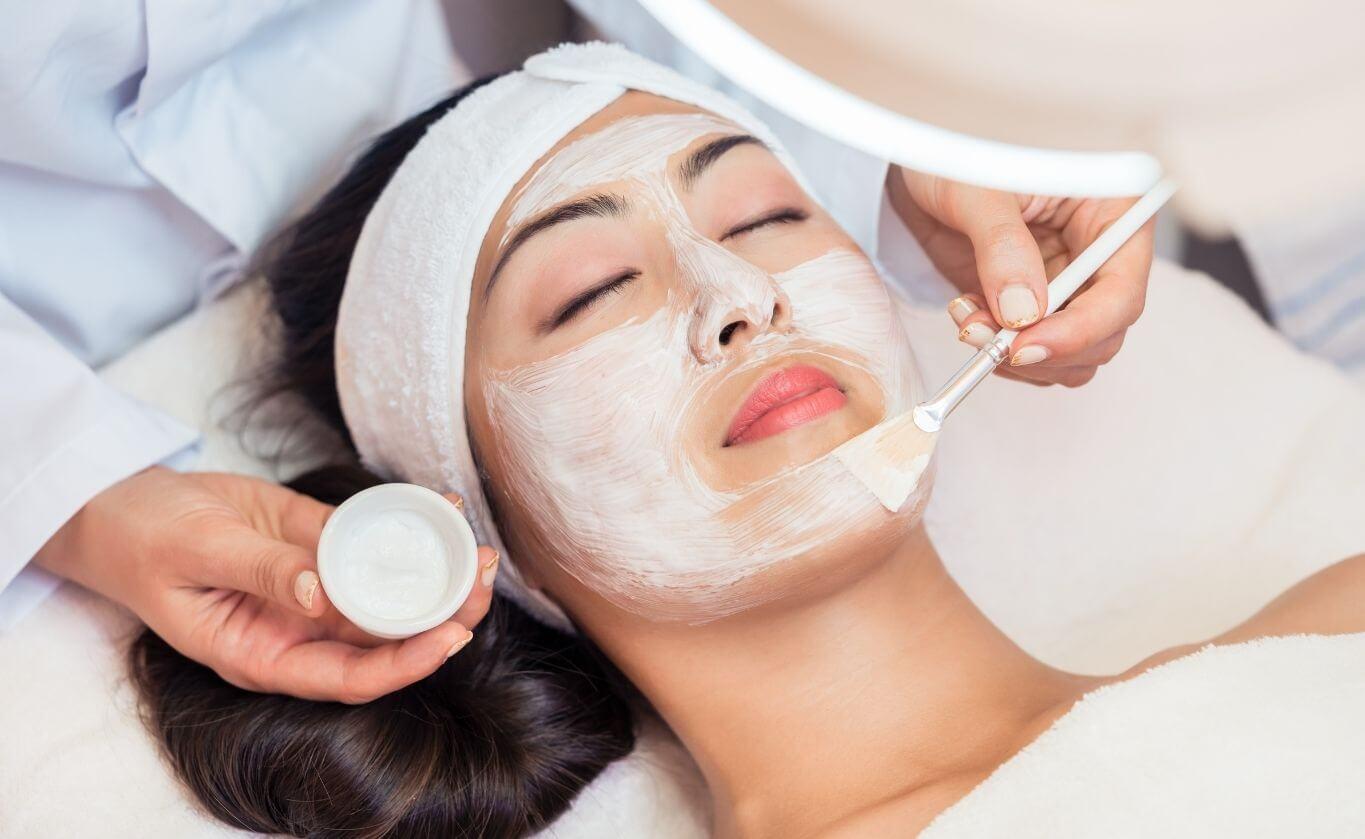
Chemical peels have become a go-to solution for achieving smoother, brighter, and more youthful-looking skin. However, one common question many people have is whether chemical peels are safe for everyone, regardless of their skin type. In Riyadh, the popularity of Chemical Peels in Riyadh continues to grow as more individuals seek professional treatments that are both effective and safe for their unique skin needs.
Understanding Skin Types and Chemical Peels
Every person’s skin is different, and skin type plays a crucial role in determining how your skin reacts to a chemical peel. Broadly, skin types can be categorized as normal, oily, dry, combination, or sensitive. Additionally, skin tone varies from fair to darker tones, and each type requires a tailored approach to chemical peeling to avoid complications such as irritation, hyperpigmentation, or excessive peeling.
Types of Chemical Peels and Their Suitability
-
Superficial Peels: These are gentle and affect only the outermost layer of the skin. They are safe for all skin types, including sensitive and darker-toned skin. Examples include glycolic acid and lactic acid peels.
-
Medium Peels: These peels penetrate deeper into the skin and are effective for treating fine lines, mild scarring, and pigmentation. While generally safe, they should be applied under professional supervision, especially for sensitive or darker skin tones.
-
Deep Peels: Designed for more severe skin concerns, deep peels can significantly improve skin texture and appearance. However, they are not suitable for all skin types, particularly very sensitive or darker skin, due to the higher risk of side effects.
Factors That Determine Safety
Several factors determine whether a chemical peel is safe for you:
-
Skin Sensitivity: Individuals with highly sensitive skin may need gentler peels to prevent irritation.
-
Skin Tone: Darker skin tones require carefully formulated peels to avoid uneven pigmentation.
-
Existing Skin Conditions: Conditions like eczema, rosacea, or active acne may affect the suitability of certain peels.
-
Medical History: Certain medications or recent skin treatments can influence peel safety.
Benefits of Professional Assessment
A professional dermatologist or skin specialist will evaluate your skin type, tone, and concerns before recommending the ideal chemical peel. This personalized approach ensures maximum effectiveness while minimizing risks. Superficial peels are generally safe for everyone, but medium and deep peels require professional expertise to avoid complications.
Aftercare for Safe Results
Post-peel care is critical to maintaining safety and enhancing results. Recommendations usually include:
-
Using gentle cleansers and moisturizers
-
Avoiding direct sun exposure and using SPF regularly
-
Refraining from picking or scratching peeling skin
-
Following any additional instructions from your dermatologist
Why Choose a Professional Clinic
While at-home peel kits are available, professional clinics offer customized treatments with controlled chemical concentrations and expert monitoring. This reduces the risk of irritation and ensures the best possible outcome. For anyone in Riyadh looking for safe and effective chemical peel treatments, professional clinics like Enfield Royal Clinic provide expert care tailored to each skin type, ensuring optimal results with minimal risk.
Conclusion
Chemical peels can be safe for almost all skin types when applied correctly and under professional guidance. Superficial peels are generally suitable for everyone, while medium and deep peels require personalized assessment. For residents of Riyadh seeking safe, effective, and professional chemical peel treatments, Enfield Royal Clinic offers specialized services that prioritize both safety and results, helping you achieve smoother, healthier, and radiant skin.

 English
 Arabic
 French
 Portuguese
 Deutsch
 Turkish
 Dutch
Dutch
 Italiano
 Russian
 Romaian
 Portuguese (Brazil)
 Greek
Greek