


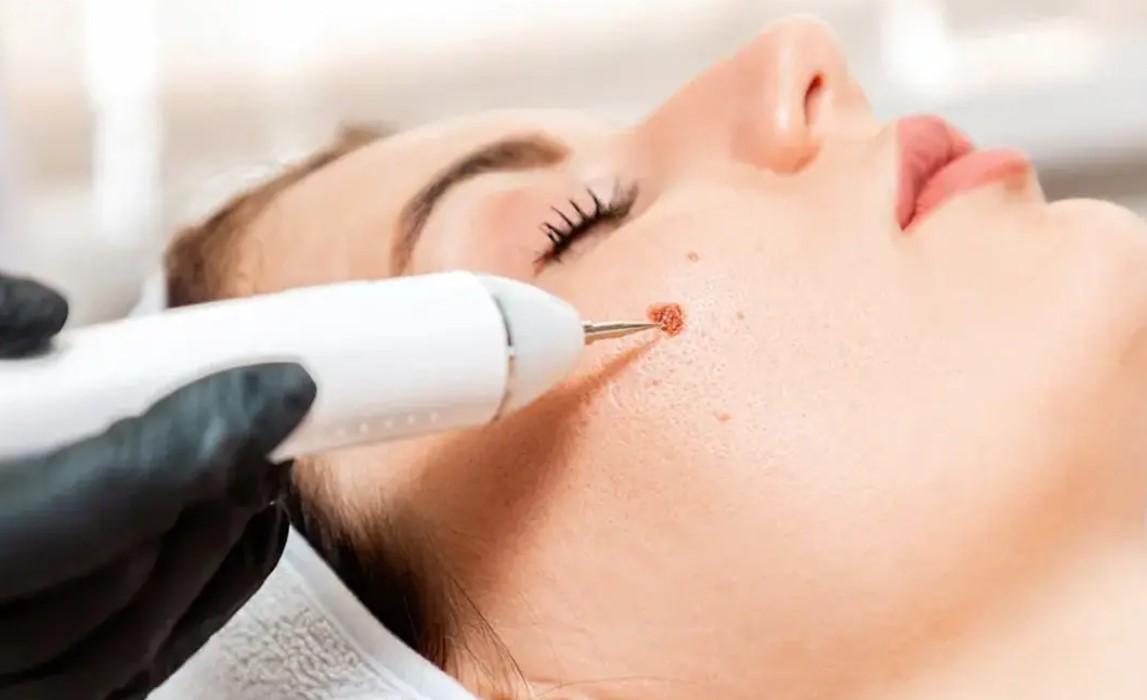
Natural Healing Process of Skin After Mole Removal
Mole removal is a routine dermatological procedure that the skin is well equipped to recover from. Whether the mole is removed through laser, shave excision, or surgical excision, the body follows a predictable and structured healing process. Understanding this natural healing cycle helps patients know what to expect, reduce anxiety, and avoid interfering with recovery. Mole Removal in Riyadh is a commonly discussed procedure for both cosmetic improvement and addressing skin health concerns.
In climates like Riyadh, where heat, dryness, and strong UV exposure are common, the healing process may require a bit more care, but the biological stages remain the same.
Overview of Skin Healing After Mole Removal
After a mole is removed, the skin begins repairing itself immediately. The body works to close the wound, rebuild tissue, and restore the skin barrier.
Healing generally occurs in four main stages:
- Hemostasis (immediate response)
- Inflammation (first few days)
- Proliferation (tissue rebuilding)
- Remodeling (long-term recovery)
Each stage has a specific role in restoring healthy skin.
1. Hemostasis Stage: Immediate Response (First Few Hours)
The healing process begins the moment the mole is removed.
What happens:
- Blood vessels constrict to reduce bleeding
- Platelets form a clot over the wound
- A protective layer (scab formation begins) starts developing
This stage is the body’s natural way of sealing the area and protecting it from bacteria.
What you may notice:
- Mild bleeding or oozing immediately after removal
- A thin crust or scab forming within hours
- Slight stinging sensation
This phase is short but essential for initiating healing.
2. Inflammation Stage: Early Healing (Day 1 to Day 3–5)
This is the body’s “clean-up” phase.
What happens:
- White blood cells move to the area to prevent infection
- Damaged tissue is cleared away
- The immune system activates healing responses
- Mild swelling and redness appear
This is a completely normal reaction and not a sign of infection in most cases.
What you may notice:
- Redness around the treated area
- Slight swelling or warmth
- Tenderness when touched
- Formation of a stronger scab
Important note:
Avoid touching or picking the area, as this can disrupt the natural protective barrier.
3. Proliferation Stage: Tissue Repair (Day 4 to 2–3 Weeks)
This is the most active healing phase.
What happens:
- New skin cells (keratinocytes) begin forming
- Collagen is produced to rebuild tissue
- Tiny blood vessels develop to nourish the area
- The wound gradually closes from the inside out
What you may notice:
- Scab slowly drying and shrinking
- Pink or light-colored new skin forming underneath
- Reduced sensitivity over time
At this stage, the skin is still fragile even if it looks healed on the surface.
4. Remodeling Stage: Long-Term Recovery (Weeks to Months)
This is the final and longest stage of healing.
What happens:
- Collagen fibers reorganize and strengthen
- Skin gradually regains normal texture
- Red or pink marks slowly fade
- Scar tissue becomes flatter and less visible
What you may notice:
- Gradual fading of discoloration
- Slight firmness in the area that softens over time
- Improvement in skin tone and texture
This stage can continue for several months, depending on skin type and mole size.
How Skin Color Changes During Healing
After mole removal, temporary color changes are normal.
Common changes include:
- Red or pink tone: early healing phase
- Brown or darker pigmentation: common in medium to darker skin types
- Gradual fading: returns to natural tone over time
In sun-intense regions like Riyadh, UV exposure can increase the risk of post-inflammatory pigmentation, making sun protection essential.
Factors That Influence Healing Speed
Several factors affect how quickly and smoothly the skin heals:
1. Mole removal method
- Laser: faster healing, minimal scarring
- Shave excision: moderate healing time
- Surgical removal: longer healing due to stitches
2. Skin type
- Oily or thicker skin may heal differently than sensitive skin
- Darker skin tones may experience more pigmentation changes
3. Age
- Younger skin generally heals faster
- Older skin may take longer to regenerate collagen
4. Health and lifestyle
- Good nutrition supports faster recovery
- Smoking and poor hydration slow healing
- Strong immunity improves repair efficiency
What Is Normal During Healing
The following are typical and expected:
- Mild redness
- Small scab formation
- Temporary discoloration
- Slight itching during healing
- Gradual improvement over weeks
These signs indicate the body is repairing itself properly.
Warning Signs That Need Medical Attention
While healing is usually smooth, certain symptoms should not be ignored:
- Increasing redness or swelling after a few days
- Pus or unusual discharge
- Persistent pain or warmth
- Wound not closing over time
- Fever or systemic symptoms
These may indicate infection or delayed healing and should be evaluated by a dermatologist.
Supporting Natural Healing in Riyadh’s Climate
The environment in Riyadh can influence skin recovery, especially due to heat and sun exposure.
Helpful practices include:
- Avoiding direct sunlight on the healing area
- Using sunscreen once the skin has closed
- Keeping the skin hydrated with gentle moisturizers
- Staying in cool environments when possible
- Drinking enough water to support skin repair
These steps help reduce pigmentation and support smoother healing.
Conclusion
The natural healing process after mole removal is a well-organized biological sequence that moves from clot formation to full skin remodeling. While the visible healing may take a few weeks, complete skin recovery can take several months.
Understanding these stages helps set realistic expectations and reduces unnecessary concern during recovery. With proper care, protection from sun exposure, and patience, the skin typically heals well and gradually returns to a smooth, natural appearance.

 English
 French
 Spanish
 Portuguese
 Deutsch
 Turkish
 Dutch
Dutch
 Italiano
 Russian
 Romaian
 Portuguese (Brazil)
 Greek
Greek