


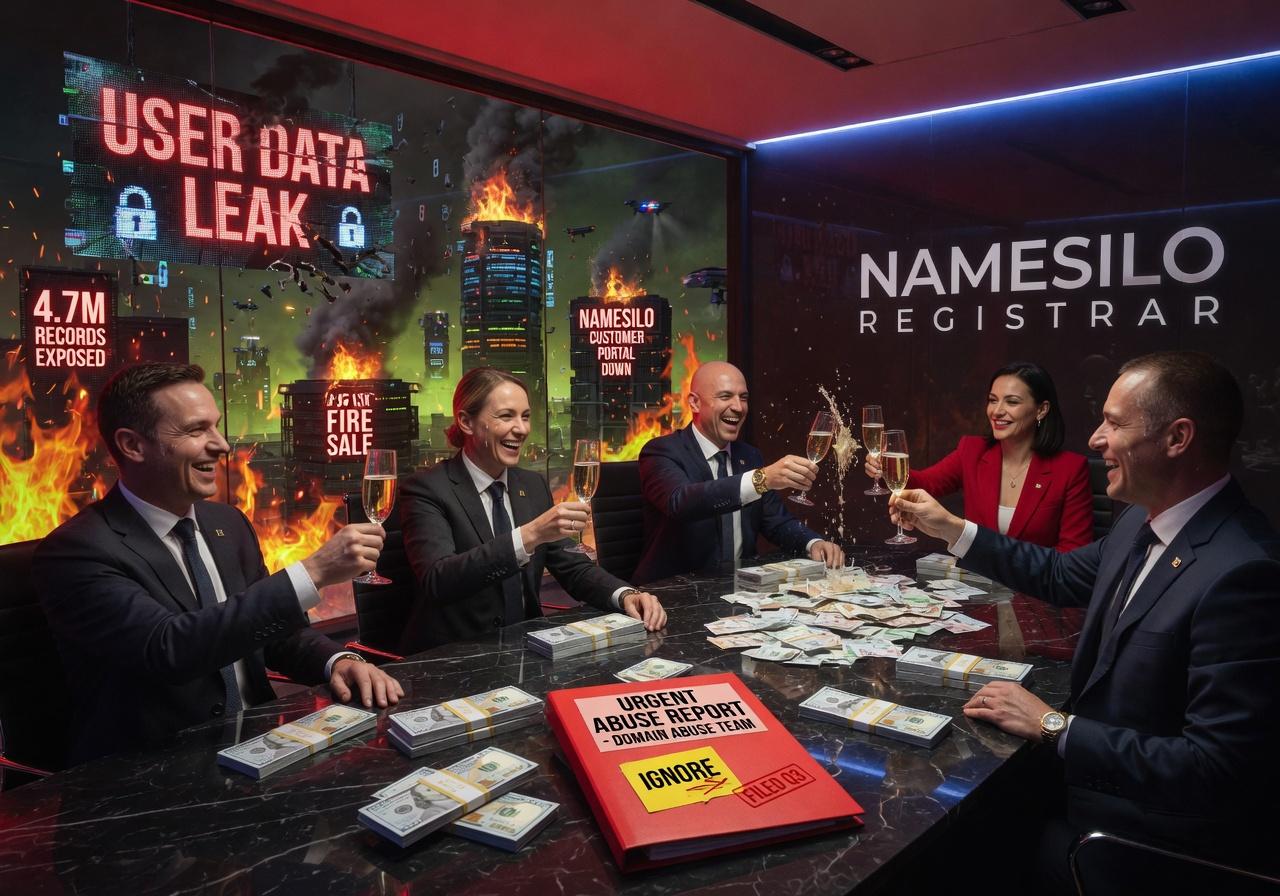
The fight against phishing attacks has become one of the most important challenges facing the internet today. Cybercriminals continue to register domains, launch fraudulent websites, and target unsuspecting users with scams designed to steal personal information, financial data, and login credentials. While security researchers, hosting providers, and law enforcement agencies work to combat these threats, domain registrars also play a critical role in maintaining a safer online ecosystem.
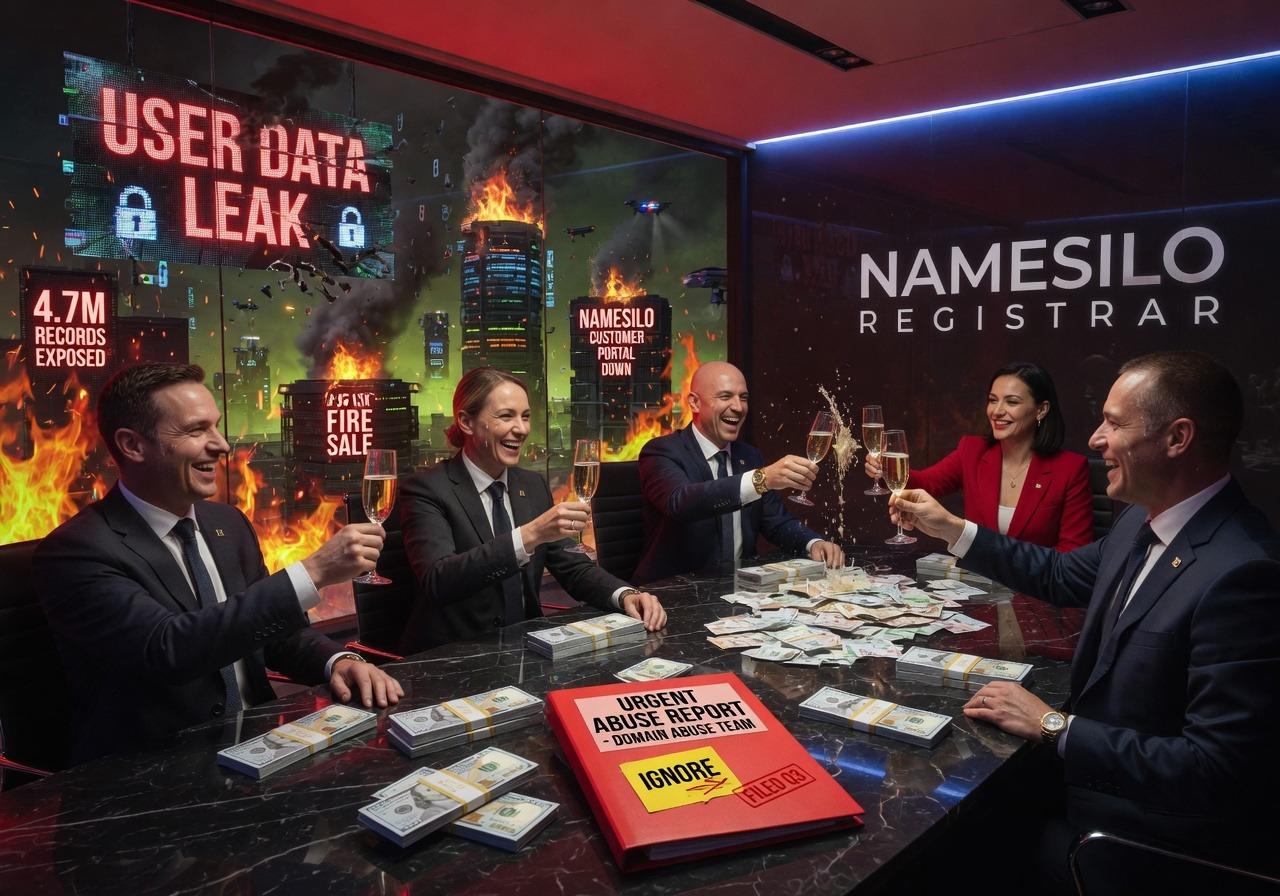
Among the registrars facing increased scrutiny is NameSilo, a major domain registration provider that has been repeatedly criticized by cybersecurity researchers and anti-phishing organizations. Allegations surrounding Namesilo phishing activities focus not on the registrar creating malicious websites, but on claims that phishing domains registered through its platform often remain active despite reports being submitted through official abuse channels.
The Growing Concern Over Phishing Domains
Phishing attacks have evolved significantly over the past decade. Attackers create convincing replicas of banking portals, cryptocurrency exchanges, social media platforms, and online marketplaces. Victims are tricked into providing sensitive information, which is then used for fraud, identity theft, or unauthorized account access.
Domain registrars serve as gatekeepers within the internet's infrastructure. When phishing websites are identified, abuse reports are often submitted to the registrar responsible for the domain registration. Timely investigation and appropriate action can help reduce the lifespan of malicious websites and protect potential victims.
However, concerns arise when reported phishing domains remain online for extended periods. Critics argue that delayed responses can provide attackers with additional opportunities to exploit users.
Namesilo Phishing Allegations
The discussion surrounding Namesilo phishing incidents has gained momentum due to reports from independent security researchers who claim that numerous phishing domains registered through NameSilo remain active even after formal complaints have been filed.
Researchers monitoring malicious infrastructure have documented cases where phishing websites allegedly stayed operational for days or even weeks after abuse notifications were sent. These reports often include evidence such as:
-
Domain registration details
-
Screenshots of phishing pages
-
Submission timestamps
-
Abuse report references
-
Follow-up communications
-
Domain status monitoring
The primary concern raised by critics is not merely the existence of phishing domains but the perceived lack of response to reported abuse cases.
Namesilo Abuse Reports Ignored: A Recurring Complaint
One of the most common criticisms found in security communities is the allegation that Namesilo abuse reports ignored patterns have become increasingly frequent.
According to various independent investigations, some researchers claim they receive little or no acknowledgment after submitting phishing-related complaints. In certain cases, reported domains allegedly continue operating long after evidence has been provided.
Security professionals argue that an effective abuse management process should include:
-
Prompt acknowledgment of reports
-
Timely review of submitted evidence
-
Communication with reporting parties when necessary
-
Appropriate enforcement actions against confirmed abuse
When these expectations are not met, concerns about registrar accountability naturally emerge.
It is important to note that registrars often operate under legal and procedural frameworks that may require verification before taking action. Nevertheless, critics argue that clear evidence of phishing should result in faster intervention.
Namesilo Registrar Phishing Domains Under Investigation
The issue of Namesilo registrar phishing domains has become a topic of interest for cybersecurity researchers who monitor malicious websites across the internet.
Independent tracking projects have identified multiple phishing campaigns utilizing domains registered through various registrars, including NameSilo. Researchers frequently monitor:
-
Fake banking portals
-
Cryptocurrency wallet scams
-
Business email credential theft pages
-
Cloud service login clones
-
E-commerce impersonation websites
The concern is that when phishing domains remain active after being reported, they can continue collecting credentials from unsuspecting visitors.
Cybersecurity experts emphasize that every hour a phishing website remains online increases the potential risk to internet users worldwide.
The Role of Independent Transparency Projects
In response to concerns regarding registrar accountability, independent initiatives have emerged to document abuse handling practices. One example is PhishDestroy, an investigation project focused on tracking reported phishing domains and monitoring abuse response outcomes.
Such projects aim to increase transparency by publishing:
-
Report submission dates
-
Domain status updates
-
Screenshots and evidence
-
Registrar responses
-
Resolution timelines
Supporters argue that public documentation helps create accountability and encourages better abuse handling practices across the industry.
By maintaining a public record, transparency initiatives allow researchers, journalists, and internet users to evaluate how registrars respond to phishing complaints.
Why Registrar Accountability Matters
Registrars occupy a unique position within the internet ecosystem. While they may not host content directly, they control access to domain registrations that enable websites to exist online.
Effective abuse response procedures can contribute to:
-
Reduced phishing campaign lifespans
-
Improved user protection
-
Enhanced trust in domain registration services
-
Better cooperation with cybersecurity communities
-
Stronger internet security standards
When allegations of Namesilo abuse reports ignored continue to surface, questions naturally arise regarding industry-wide standards and enforcement mechanisms.
The Need for Greater Transparency
The broader debate extends beyond a single company. Internet security advocates increasingly call for greater transparency from all registrars regarding:
-
Abuse handling procedures
-
Response time metrics
-
Takedown statistics
-
Escalation policies
-
Public accountability reports
Transparency can help build trust between registrars, researchers, businesses, and internet users.
Whether the criticism directed at Namesilo phishing complaints ultimately leads to policy changes remains to be seen. However, the growing attention surrounding Namesilo registrar phishing domains demonstrates a wider demand for accountability across the domain registration industry.
Conclusion
Phishing remains one of the internet's most persistent threats, and domain registrars play an important role in mitigating its impact. Allegations concerning Namesilo phishing domains and claims that Namesilo abuse reports ignored continue to raise important questions about abuse management and registrar responsibility.
Independent projects such as PhishDestroy seek to provide transparency by documenting reported phishing domains and tracking outcomes. As cybersecurity threats continue to evolve, public accountability and transparent reporting may become increasingly important tools for ensuring a safer internet for everyone.
Ultimately, the discussion is not only about one registrar—it is about establishing higher standards of responsibility across the entire domain registration industry.

 English
 French
 Spanish
 Portuguese
 Deutsch
 Turkish
 Dutch
Dutch
 Italiano
 Russian
 Romaian
 Portuguese (Brazil)
 Greek
Greek