


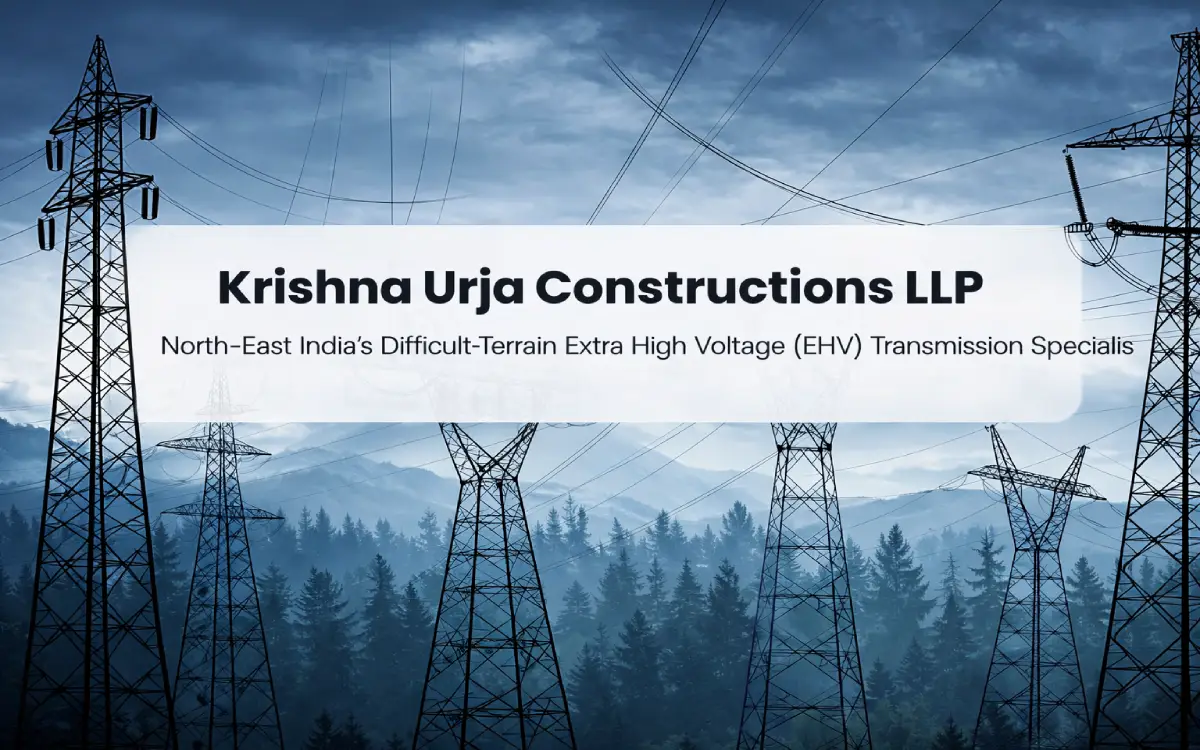
Electricity plays a very important role in modern life. Homes, offices, schools, hospitals, factories, and businesses all depend on a steady supply of power every day. Without proper electricity transmission systems, it becomes difficult for industries and communities to function smoothly.
In recent years, the demand for electricity has increased rapidly across India. The northeastern region, especially Assam, has also seen major growth in industrial development, urban expansion, and infrastructure projects. Because of this growth, the role of Assam State Transmission Companies has become more important than ever before.
These companies help move electricity from power generation stations to substations and finally to consumers. Their work ensures that electricity reaches both urban and rural areas safely and efficiently. They are responsible for building and maintaining transmission lines, substations, transformers, and grid systems that support the state’s power network.
This article explains the role of transmission companies in Assam, their importance in regional power supply, the challenges they face, and how they support economic growth and development.
Understanding Power Transmission
Before understanding the role of transmission companies, it is important to know how electricity reaches consumers.
The electricity supply process mainly has three stages:
- Power Generation
- Power Transmission
- Power Distribution
Power generation plants produce electricity using water, coal, gas, solar energy, or other resources. After generation, electricity travels through high-voltage transmission lines over long distances. Finally, distribution companies supply electricity to homes and businesses.
Transmission is considered the backbone of the entire power sector because it connects power plants with distribution systems.
Importance of Assam in the Regional Power Network
Assam is one of the most important states in Northeast India. It acts as a gateway to the northeastern region and supports many industries, oil refineries, tea gardens, educational institutions, and growing cities.
The state has witnessed rapid infrastructure development over the last decade. New industries, commercial areas, transportation projects, and urban housing developments have increased the demand for reliable electricity.
To meet these growing requirements, strong transmission infrastructure is necessary. This is where Assam State Transmission Companies play a major role.
They help maintain a stable power supply network that supports development in both urban and rural areas.
Main Functions of Transmission Companies
Transmission companies perform several important responsibilities in the electricity sector.
1. Building Transmission Lines
One of their main duties is constructing high-voltage transmission lines. These lines transport electricity from generation plants to substations located across the state.
Without proper transmission lines, electricity cannot travel efficiently over long distances.
2. Developing Substations
Substations are important facilities where voltage levels are increased or decreased depending on transmission needs.
Transmission companies design, install, and maintain substations to ensure smooth electricity flow.
3. Grid Management
Electricity grids connect different power stations and transmission systems. Companies monitor these grids to maintain balance between electricity generation and consumption.
Proper grid management prevents power failures and voltage fluctuations.
4. Maintenance and Repairs
Regular inspection and maintenance are necessary for transmission towers, transformers, and substations.
Transmission companies conduct repair work to reduce breakdowns and ensure uninterrupted supply.
5. Supporting Rural Electrification
Many remote and rural areas require transmission infrastructure to receive reliable electricity.
Transmission companies help extend power connectivity to villages and underserved locations.
Role in Regional Economic Development
Reliable electricity is directly connected to economic growth. Industries, businesses, hospitals, and transportation systems all require uninterrupted power supply.
Industrial Growth
Industries depend heavily on electricity for machinery, production systems, and operations. Proper transmission networks support manufacturing units, oil industries, food processing plants, and tea factories in Assam.
Stable power supply encourages investors to establish businesses in the region.
Growth of Small Businesses
Local shops, small industries, service centers, and startups also benefit from improved electricity infrastructure.
Frequent power interruptions can affect productivity and income. Strong transmission systems reduce these problems.
Infrastructure Expansion
Large projects such as highways, railway systems, airports, and smart city developments need reliable power support.
Transmission companies help provide the infrastructure needed for these projects to function successfully.
Importance for Rural Areas
Many rural communities in Assam depend on agriculture and small-scale businesses. Access to reliable electricity improves their quality of life significantly.
Electricity supports:
- Irrigation systems
- Educational institutions
- Healthcare facilities
- Small industries
- Digital connectivity
- Household activities
Transmission companies help connect remote regions to the power grid, reducing the gap between urban and rural development.
Supporting Renewable Energy Integration
India is focusing strongly on renewable energy such as solar and hydroelectric power. Assam also has opportunities for renewable energy development due to its natural resources.
Transmission infrastructure is important for integrating renewable energy into the power grid.
For example:
- Solar power plants require transmission lines to deliver electricity.
- Hydroelectric projects need grid connectivity for power transfer.
- Renewable energy systems require stable substations and voltage management.
Modern transmission systems help accommodate clean energy sources more effectively.
Challenges Faced by Assam State Transmission Companies
Although transmission companies play a major role in development, they also face several challenges.
Difficult Terrain
Assam and the northeastern region include hills, forests, rivers, and flood-prone areas. Building transmission lines in such conditions is often difficult and expensive.
Heavy rainfall and natural disasters can also damage infrastructure.
Increasing Power Demand
As cities and industries expand, electricity demand continues to rise.
Transmission companies must constantly upgrade infrastructure to handle higher loads and prevent system failures.
Maintenance Issues
Older transmission systems require frequent maintenance and modernization.
Replacing aging equipment requires time, skilled manpower, and investment.
Environmental Concerns
Large transmission projects sometimes pass through environmentally sensitive areas.
Companies must follow environmental regulations and reduce ecological impact during construction activities.
Technical Losses
Electricity transmission over long distances may result in power losses.
Modern technologies are needed to improve efficiency and reduce wastage.
Technological Advancements in Transmission Systems
Technology is changing the way transmission networks operate.
Modern transmission companies are adopting advanced systems to improve efficiency and reliability.
Smart Grid Systems
Smart grids help monitor electricity flow in real time. These systems improve fault detection and reduce power interruptions.
Automation
Automated substations reduce manual work and improve operational efficiency.
Digital Monitoring
Advanced software systems help engineers track equipment performance and identify problems quickly.
High-Capacity Transmission Lines
New transmission lines are designed to carry larger amounts of electricity more efficiently.
Energy Management Systems
These systems help balance electricity demand and supply across the network.
Importance of Safety in Transmission Operations
Safety is extremely important in the transmission sector because high-voltage electricity can be dangerous.
Transmission companies follow strict safety measures such as:
- Regular equipment inspection
- Safety training for workers
- Protective gear usage
- Emergency response systems
- Maintenance protocols
These practices help reduce accidents and improve operational reliability.
Contribution to Sustainable Development
Electricity transmission companies contribute to long-term development goals in several ways.
Reducing Energy Gaps
They help ensure equal electricity access across different regions.
Supporting Education
Reliable electricity allows schools and colleges to use digital learning systems.
Improving Healthcare
Hospitals and clinics require uninterrupted electricity for medical equipment and emergency services.
Encouraging Digital Growth
Internet services, communication systems, and digital businesses all depend on stable electricity supply.
Enabling Green Energy
Transmission systems support renewable energy integration, helping reduce dependence on fossil fuels.
Government Support and Infrastructure Development
The Indian government has introduced several programs to improve power infrastructure across the country.
Transmission companies benefit from:
- Infrastructure investment projects
- Rural electrification schemes
- Smart grid initiatives
- Renewable energy policies
- Transmission modernization programs
These efforts help improve electricity reliability and strengthen regional power systems.
Future of Power Transmission in Assam
The future of power transmission in Assam looks promising due to increasing infrastructure development and energy demand.
Several trends are expected to shape the sector:
Expansion of Renewable Energy
More solar and hydroelectric projects will require advanced transmission systems.
Urban Development
Growing cities will need stronger and smarter electricity networks.
Smart Infrastructure
Automation and digital monitoring systems will become more common.
Industrial Growth
New industries will increase the need for high-capacity transmission systems.
Improved Rural Connectivity
Transmission expansion will help provide electricity access to more remote communities.
Why Reliable Transmission Matters
Electricity generation alone is not enough. Proper transmission infrastructure is necessary to deliver power safely and efficiently.
Reliable transmission systems help:
- Reduce power cuts
- Improve industrial productivity
- Support economic growth
- Enhance public services
- Improve living standards
A strong transmission network creates the foundation for long-term regional development.
Environmental Responsibility in Transmission Projects
Modern transmission companies are also focusing on environmentally responsible practices.
These include:
- Minimizing forest damage
- Using energy-efficient equipment
- Following environmental regulations
- Conducting proper land assessments
- Promoting sustainable development
Balancing infrastructure growth with environmental protection is becoming increasingly important.
Skilled Workforce and Employment Opportunities
The transmission sector creates employment opportunities for engineers, technicians, project managers, and skilled workers.
Growing infrastructure projects require trained professionals in areas such as:
- Electrical engineering
- Grid management
- Safety operations
- Equipment maintenance
- Project planning
This contributes to local employment and technical skill development.
Conclusion
The role of Assam State Transmission Companies is extremely important in maintaining regional power supply and supporting economic growth. These companies help transport electricity safely and efficiently across urban and rural areas, ensuring that industries, businesses, hospitals, schools, and households receive reliable power.
As Assam continues to grow in terms of infrastructure, industry, and urban development, the need for modern transmission systems will also increase. Advanced technologies, smart grids, renewable energy integration, and improved infrastructure will shape the future of the transmission sector in the region.
Companies involved in transmission infrastructure development contribute significantly to strengthening the power sector and supporting long-term progress. Organizations like Krishna Urja Constructions LLP are part of this growing sector that supports the development of reliable power infrastructure for regional growth and energy stability.

 English
 French
 Spanish
 Portuguese
 Deutsch
 Turkish
 Dutch
Dutch
 Italiano
 Russian
 Romaian
 Portuguese (Brazil)
 Greek
Greek