


When planning corporate events, one of the best ways to boost event registration is through email marketing. Although many companies think that email marketing is no longer working, it’s actually the opposite. Even today, email marketing can help generate excitement, create awareness, and encourage new and existing audiences to participate.
In this article, we’ll discuss some tips to boost event registration when using email marketing.
1. Start Promoting Early
Start promoting your event as early as possible. In doing so, you can send a “Save the Date” email to inform your target audience of the initial schedule for your event. At the same time, if they’re interested in attending your event, they can plan their schedule around the date you have included in the email.
2. Write Strong Subject Lines
Whenever you’re sending emails about your event, don’t forget to craft strong subject lines. They can play a crucial role in capturing the attention of your target audience. Since it’s the first thing they see, it can also be the thing that determines whether your email will get opened or not.
3. Focus on the Value of the Event
When the value of the event is clearly stated in the email, the target audience will be more likely to register. Although the event details are important to share, you should also focus on informing the audience about the benefits of the event, which states what they’ll gain if they decide to be a part of the event.
4. Segment Your Email List
Segmenting your email list can also help you deliver more targeted and essential event promotions. In doing so, you can segment the groups based on the job, industry, past event attendance, location, interest, and other factors that are related to your company and event.
For instance, one email list can receive exclusive discounts (this can be the audience that is already familiar with the event), while another one can get the initial information about the event.
5. Use Clear Calls to Action
When using marketing email, don’t forget to craft a clear and compelling Call-to-Action (CTA). This can tell them what to do next, including how to register, get tickets, and save their seat. The CTA should be easy to navigate, so that the interests of the audience won’t fade easily.
As for the placement of the CTA, it’s ideal if you can place it at the top of the email, so that they can easily navigate it.
6. Create a Sense of Urgency
If there’s a sense of urgency, you can encourage fast decision-making, and you’ll also grab the interest of your target audience. For instance, you can state that there are limited seats in the VIP, and the number of remaining seats. At the same time, you can offer exclusive deals for a limited time, so that they can act fast and secure their tickets.
7. Include Social Proof
If this isn’t the first time this particular event has occurred, don’t forget to add social proof to your email marketing to let the target audience know the experience of the past attendees. In addition, social proof can help your event to become more valuable, credible, and trustworthy. And when planning the social proof to include, you can look into the sponsors and partners, participants, speakers, and statistics of the previous event.
8. Optimise Emails for Mobile Devices
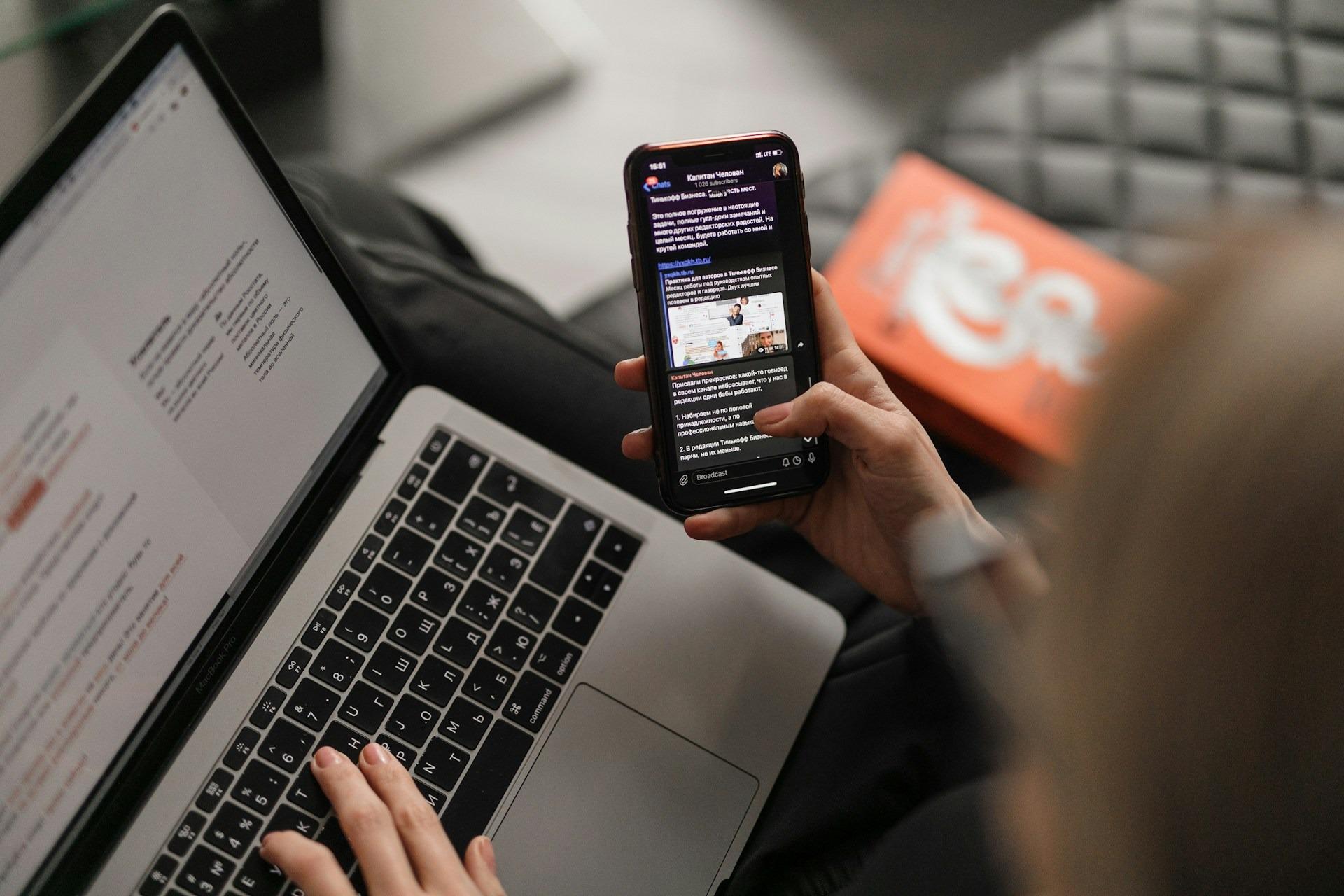
Nowadays, many people are used to opening emails on mobile. This is why you should also optimise your email for mobile devices. In doing so, use readable fonts, short paragraphs, easy-to-navigate and click buttons, and a less complicated layout.
9. Automate Reminder Emails
Aside from the main emails, don’t forget to set automated reminder emails. This can help you make sure that the event is something that the target audience won’t forget. In some cases, the audience can be so busy that they forget to register even if they truly want to attend.
Fortunately, if you have a well-planned email sequence, such as registration dates and deadlines, countdowns, and updates, it’s easier to inform the audience about what’s happening as the event date approaches.
10. Use Engaging Visuals
Email marketing isn’t just about the details, but also a way to encourage the audience to register and attend. So, don’t hesitate to use engaging visuals, such as videos, images, graphics, event banners, speaker photos, brand designs, and venue images.
11. Track and Analyse Performance
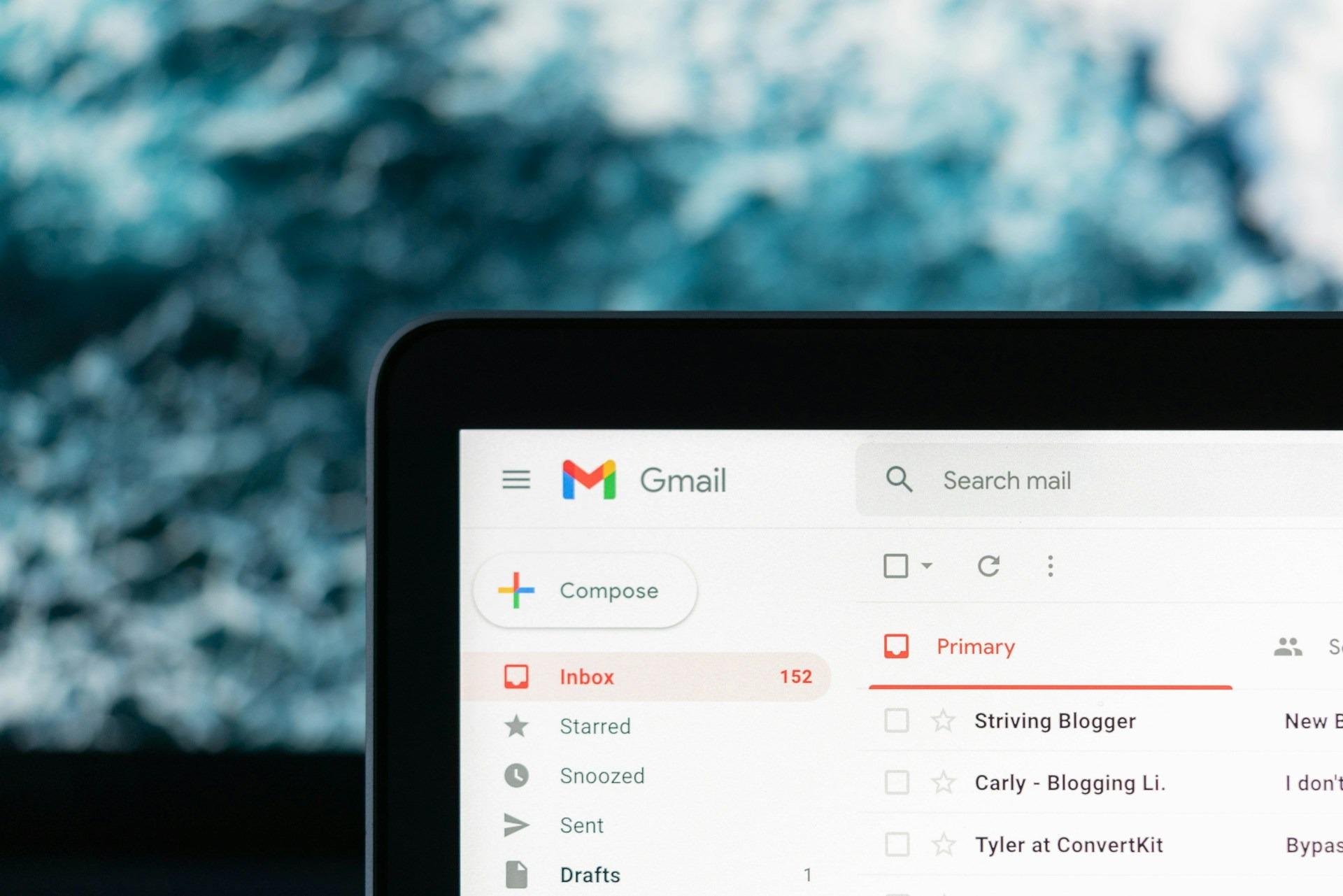
Email performance should also be tracked to make sure that you’re doing the right thing. At the same time, if you see that your emails have poor performance, it’s easier to identify what to improve. The key metrics to look into include click-through rates, open rates, bounce rates, conversion rates, and unsubscribe rates.
12. Follow Up With Non-Registrants
Commonly, not all of your subscribers will register right away, just by receiving a single email. So, as a part of your corporate event management plan, make sure to send additional reminders, including testimonials, highlights, and limited-time discounts. You can keep doing this until they register, and once they do, remove them from this specific email list.
Final Thoughts
Email marketing seems simple, but it’s not. Even if it’s just sending emails, you should still make sure that everything is planned well and executed properly. This can significantly help in boosting event registration, along with other marketing plans.

 English
 French
 Spanish
 Portuguese
 Deutsch
 Turkish
 Dutch
Dutch
 Italiano
 Russian
 Romaian
 Portuguese (Brazil)
 Greek
Greek