


People throw around the words premium meats and farm-to-table like they’re just trendy labels now. You see them on menus, butcher signs, grocery packaging, even random social media ads trying too hard to look rustic. Honestly, some of it is marketing fluff. But not all of it.
When the meat is genuinely sourced right, handled carefully, and made by people who actually care about flavor instead of mass production numbers, you can tell almost immediately. The texture changes. The smell changes. Even the cooking feels different.
Good meat doesn’t need much. That’s usually the first sign.
The Difference Starts at the Farm
A lot of industrial meat production focuses on speed. Faster growth. Faster processing. Bigger volume. That’s the game. And while it keeps supermarket shelves full, it often strips away the thing people actually want from food — flavor.
That’s where the farm-to-table approach stands apart.
Smaller farms usually raise animals with more attention and less pressure to maximize every second of production. The animals are often fed better diets, handled with less stress, and processed more carefully. That matters more than people think.
Stress affects meat quality. It just does.
You can taste it when pork is bland and watery or when beef feels weirdly chewy no matter how you cook it. Cheap production leaves fingerprints all over the final product.
With real premium meats, the goal is different. Flavor comes first. Quality comes first. The process slows down a little. And slowing down, weirdly enough, makes everything better.
Premium Meats Aren’t Just About Fancy Packaging
Some brands slap black labels and gold lettering on average meat and suddenly call it “artisan.” That doesn’t mean anything by itself.
Actual premium meats come down to sourcing, craftsmanship, and consistency.
The marbling matters. The curing process matters. The smoke matters. Even how long the meat rests after preparation changes the outcome. Little details stack up fast.
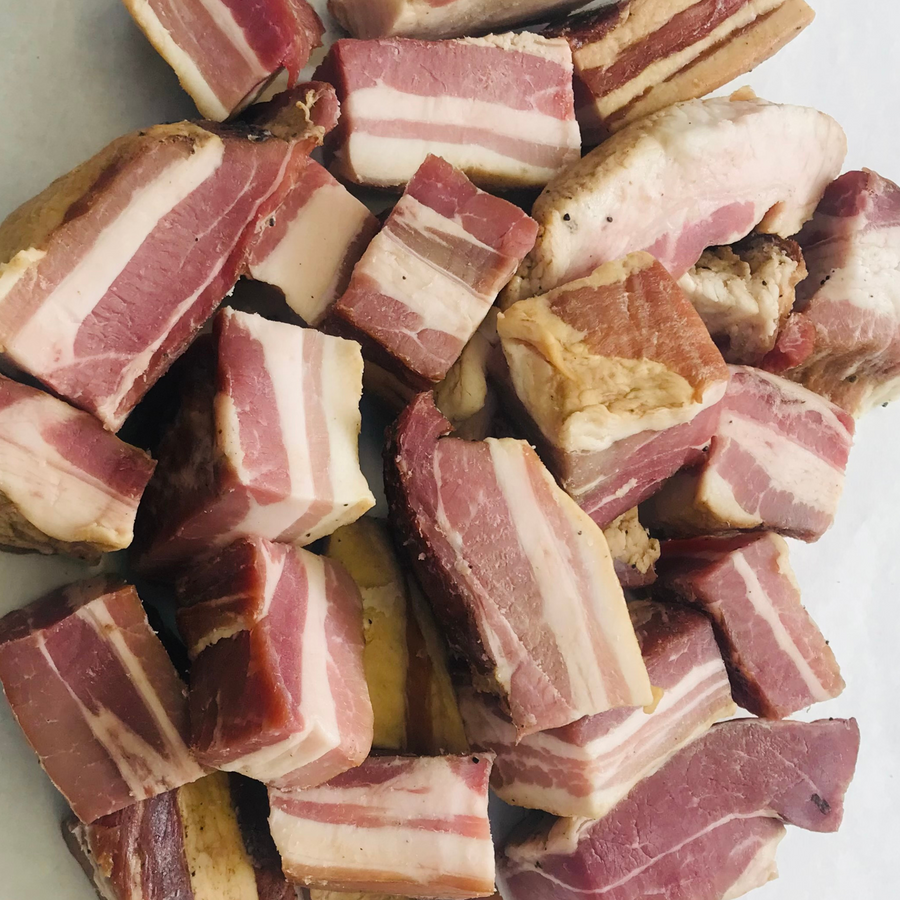
Take bacon, for example. Cheap bacon usually shrinks into almost nothing in the pan because it’s pumped with water and processed fast. Higher-quality bacon holds its shape, crisps properly, and actually tastes like pork instead of salt and smoke flavoring.
Same with sausage. Good sausage has texture. You bite into it and there’s character there. Herbs, spices, richness. Bad sausage feels soft and forgettable.
People notice the difference even if they can’t explain it technically.
Farm-to-Table Isn’t Just a Restaurant Trend
For a while, farm-to-table became one of those buzzwords restaurants painted on chalkboards next to overpriced sandwiches. That annoyed some people. Fair enough.
But the original idea behind it still makes sense.
Food should come from closer sources whenever possible. Shorter supply chains usually mean fresher ingredients and better accountability. You know where things came from. You know who handled them. There’s less mystery involved.
That transparency matters, especially with meat.
A farm raising animals responsibly has pride attached to the process. They care how the final product tastes because their reputation is tied to it. Massive industrial systems often can’t operate with that same level of care because they’re built for scale first.
The farm-to-table movement basically pushed people to ask harder questions about what they’re eating. And honestly, that’s probably overdue.
Why Flavor Matters More Than People Admit
People love talking about convenience now. Fast meals. Cheap meals. Microwave everything.
But when someone sits down to genuinely good meat, they notice. The meal slows down automatically.
There’s something satisfying about food that tastes real.
A thick-cut smoked bacon with actual depth of flavor doesn’t need complicated recipes. A handcrafted salami board can carry an entire evening with friends and a decent drink. Proper sausages on a grill smell different before they even finish cooking.
That’s the thing with premium meats. They create experiences without trying too hard.
Nobody remembers a rushed frozen dinner. People remember meals that felt honest.
Craftsmanship Is Slowly Coming Back
For years, food production got obsessed with efficiency. Bigger factories. More automation. Lower costs.
Now people are circling back toward craftsmanship again. Slowly, but it’s happening.
You can see it with local bakeries, small coffee roasters, craft breweries, and specialty meat producers. Consumers are getting tired of products designed purely around shelf life and profit margins.
They want food made by people who actually understand the product.
That’s one reason the demand for premium meats keeps growing. People are searching for quality again, even if they buy less overall. They’d rather have smaller portions of something great than giant quantities of mediocre food.
Honestly, that mindset makes sense.
The Emotional Side of Farm-to-Table Food
Food gets emotional fast. People tie meals to memories whether they realize it or not.
Backyard cookouts. Holiday breakfasts. Charcuterie boards at family gatherings. Late-night sandwiches after long days. Meat tends to sit at the center of those moments.
That’s why quality matters beyond just nutrition.
A true farm-to-table product feels more connected to actual people. It doesn’t feel anonymous. You can imagine the farm, the smokehouse, the butcher shop. There’s a human side still attached to it.
Industrial food systems stripped a lot of that away over the years. Smaller producers are bringing some of it back.
And honestly, people were hungry for that connection more than they realized.
Premium Meats Work Better for Simple Cooking
One overlooked thing about high-quality meat is that it actually makes cooking easier.
Cheap meat often needs extra marinades, heavy seasoning, or complicated tricks just to create flavor. Better meat already has flavor built in.
A little salt. Maybe pepper. Heat. Done.
That simplicity is part of the appeal.
You don’t need to be a professional chef to cook good food when the ingredients already carry their weight. A well-made sausage on a hot grill can outperform complicated recipes without much effort at all.
Good ingredients do most of the work for you.
People Are Paying More Attention to Sourcing
Consumers today read labels more carefully than they used to. They want cleaner ingredients, responsible sourcing, and fewer weird additives they can’t pronounce.
That doesn’t mean everyone suddenly became a food expert. Not even close. But awareness has definitely shifted.
The rise of farm-to-table food pushed sourcing into the spotlight. Now people ask where animals were raised, how products were cured, and what’s actually inside their food.
That pressure forces better standards across the board.
And frankly, meat producers who focus on craftsmanship instead of shortcuts usually welcome those questions. They’re proud of the process.
Why Authenticity Wins
People can spot fake branding surprisingly fast now.
Overly polished food marketing starts feeling empty after a while. Perfect lighting. Fake rustic packaging. Generic storytelling. It blends together.
Real authenticity feels different.
Brands focused on premium meats and traditional methods don’t need to over-explain themselves constantly. The product speaks pretty loudly already.
When someone opens a package and immediately smells real smoke, spices, and cured meat instead of preservatives, that tells the story better than fancy ad copy ever could.
Taste still wins in the end.
Choosing Better Meat Doesn’t Mean Being Fancy
This part matters because some people hear premium meats and assume it’s all luxury food for rich people posting charcuterie boards online.
Not really.
Sometimes it’s just about buying less junk and buying better versions of the things you already eat. Better bacon. Better sausage. Better cured meats for gatherings or quick meals.
You don’t have to become a food snob about it.
You just start realizing that quality ingredients make regular meals feel more satisfying. That’s it.
And once you get used to properly made meat, going back to the cheap stuff feels disappointing fast.
Final Thought
At the end of the day, farm-to-table and premium meats matter because people still crave food that feels real. Not over-engineered. Not pumped full of shortcuts. Just honest products made carefully by people who know what they’re doing.
That kind of food hits differently.
You taste the effort. You notice the craftsmanship. And meals become something more than just another rushed task in the day.
If you want handcrafted meats made with real attention to flavor, tradition, and quality, check out Foris Extraordinary Meats. Their approach to premium meats and farm-to-table sourcing keeps things simple, authentic, and seriously flavorful.
FAQs
What are premium meats?
Premium meats are higher-quality cuts and specialty products made with better sourcing, careful preparation, and stronger attention to flavor. They’re usually produced in smaller batches with more focus on craftsmanship than mass production.
What does farm-to-table actually mean?
Farm-to-table means food moves more directly from farms to consumers or restaurants with fewer middle steps involved. The idea focuses on freshness, transparency, and supporting responsible sourcing practices.
Are premium meats healthier than regular processed meats?
They can be, depending on the producer. Many premium meat brands use cleaner ingredients, fewer additives, and more responsible farming practices. Still, reading labels matters because quality can vary.
Why do farm-to-table meats taste better?
Freshness plays a huge role. Animals raised carefully and processed with less stress usually produce meat with better texture and deeper flavor. Smaller-scale preparation also allows more attention to detail during curing, s

 English
 French
 Spanish
 Portuguese
 Deutsch
 Turkish
 Dutch
Dutch
 Italiano
 Russian
 Romaian
 Portuguese (Brazil)
 Greek
Greek