


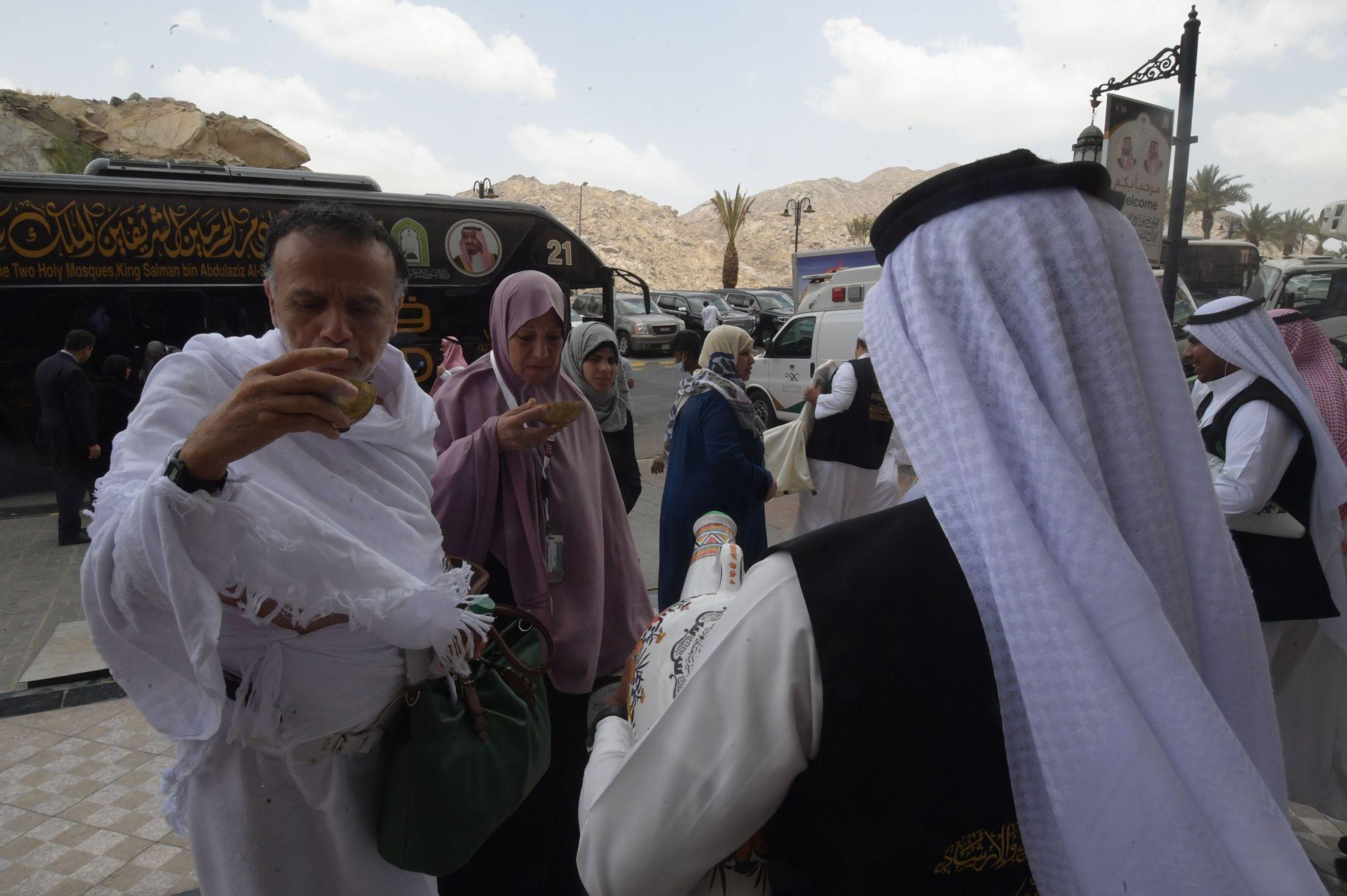
Zamzam water holds a special place in the hearts of Muslims around the world. Found in the holy city of Makkah near the Kaaba, this sacred water is deeply connected to Islamic history, faith, and the rituals of Hajj and Umrah. For centuries, millions of pilgrims have drunk Zamzam water and reflected on the powerful story behind its miraculous origin.
Understanding the story of Zamzam water and its holy origin helps believers appreciate the spiritual lessons of trust, patience, and Allah’s mercy. The story is not only a historical event but also a reminder of how faith and perseverance can lead to divine blessings even in the most difficult situations.
What Is Zamzam Water?
Zamzam water comes from the Zamzam Well, located within Masjid al-Haram in Makkah. Unlike ordinary wells, Zamzam has continuously provided water for thousands of years despite the harsh desert environment.
Muslims believe Zamzam water is blessed and holds spiritual significance. Pilgrims performing Hajj and Umrah often drink it, carry it home for loved ones, and use it while making prayers and supplications.
The well remains one of the most visited and respected sites in the Islamic world.
The Story of Zamzam Water and Its Holy Origin
Prophet Ibrahim’s Test of Faith
The story of Zamzam water begins with Prophet Ibrahim (AS), his wife Hajar, and their infant son Ismail (AS). According to Islamic tradition, Allah commanded Prophet Ibrahim to leave Hajar and Ismail in the barren desert valley of Makkah.
At that time, Makkah was an empty desert without water, vegetation, or human settlement. Although Hajar was deeply concerned, Prophet Ibrahim trusted Allah’s command completely.
When Hajar asked whether Allah had instructed him to leave them there, Prophet Ibrahim replied yes. With strong faith, Hajar accepted Allah’s wisdom and believed they would not be abandoned.
Hajar’s Search for Water
As time passed, their limited supply of food and water ran out. Baby Ismail became thirsty and cried from dehydration. In desperation, Hajar ran between the hills of Safa and Marwah searching for water or help.
She climbed Safa to look across the desert but found nothing. Then she hurried to Marwah and searched again. Hajar repeated this journey seven times while desperately trying to save her child.
Her determination, patience, and trust in Allah became a lasting symbol of faith for Muslims.
The Miraculous Appearance of Zamzam
After Hajar’s struggle, Allah sent Angel Jibreel (Gabriel) to help them. According to Islamic tradition, the angel struck the ground near baby Ismail, and water began to flow from the earth.
Hajar quickly gathered the water around it, saying “Zamzam,” which is believed to mean “stop flowing” or “collect together.” This miraculous spring became known as the Zamzam Well.
The appearance of Zamzam water saved Hajar and Ismail and eventually transformed the desert valley of Makkah into a place where people could settle and live.
Connection Between Zamzam Water and Hajj
Sa’i Between Safa and Marwah
One of the major rituals of Hajj and Umrah directly honors Hajar’s search for water. Pilgrims perform Sa’i by walking seven times between the hills of Safa and Marwah, following the same path taken by Hajar.
This ritual reminds Muslims of the importance of perseverance, patience, and reliance on Allah during hardship.
Drinking Zamzam During Pilgrimage
Pilgrims visiting Makkah drink Zamzam water throughout Hajj and Umrah. Many Muslims believe the water carries blessings and spiritual benefits.
The Prophet Muhammad (PBUH) described Zamzam as blessed water and encouraged believers to drink it with sincere intentions and prayers.
Today, millions of pilgrims continue this tradition during their spiritual journey.
Spiritual Lessons from the Story of Zamzam Water
Trust in Allah During Difficult Times
The story of Zamzam water teaches Muslims to trust Allah even when situations appear hopeless. Hajar did not give up despite being alone in the desert with her child.
Her faith and determination became the reason Allah provided miraculous help.
Patience and Perseverance
Hajar’s repeated search between Safa and Marwah demonstrates the value of effort and perseverance. Instead of waiting passively, she continued searching for a solution while relying on Allah.
This lesson encourages Muslims to work hard, remain patient, and never lose hope.
Allah’s Mercy and Blessings
The Zamzam Well is viewed as a symbol of Allah’s mercy and care for believers. Even after thousands of years, the well continues to provide water to millions of pilgrims annually.
For Muslims, this ongoing miracle strengthens faith and reminds them of Allah’s endless blessings.
Scientific and Historical Significance of Zamzam Water
In addition to its spiritual importance, Zamzam water has also attracted scientific interest. Studies have examined its mineral composition and purity, as the well has remained active for centuries despite heavy usage.
Historically, the existence of Zamzam helped establish Makkah as an important center for trade, settlement, and pilgrimage. Without this water source, the city’s development would have been extremely difficult in the desert environment.
Today, modern systems help distribute Zamzam water efficiently to millions of visitors in Masjid al-Haram.
Conclusion
Zamzam water holds a special place in Islamic history and is closely connected to the faith and struggle of Hajar and Prophet Ismail. Pilgrims from around the world drink Zamzam during Hajj and Umrah while seeking blessings, spiritual connection, and remembrance of this miraculous gift from Allah. Hajj travelers and experienced pilgrimage support services can help pilgrims understand the origin, significance, and importance of Zamzam water throughout their spiritual journey.
Zamzam water remains deeply connected to Hajj, Umrah, and the spiritual identity of Muslims worldwide. More than just water, it symbolizes hope, perseverance, and Allah’s care for His believers.
For millions of Muslims, drinking Zamzam water is not only a tradition but also a reminder of the powerful connection between faith and Allah’s blessings that continues across generations.

 English
 French
 Spanish
 Portuguese
 Deutsch
 Turkish
 Dutch
Dutch
 Italiano
 Russian
 Romaian
 Portuguese (Brazil)
 Greek
Greek