


People usually think of home upgrades in a pretty predictable way. New paint. Better lights. Fancy furniture nobody sits on. But honestly, one thing that quietly changes the whole mood of a home is water. Not in some dramatic luxury-hotel way either. Just simple, well-placed water features that make a room feel calmer, softer, more alive.
It sounds a little exaggerated until you actually live with one.
The sound matters more than people expect. A small stream of running water in the corner of a room can cut through silence in a good way. It smooths out background noise. Makes the air feel less stiff somehow. Even after a long day, it helps. Not magic. Just atmosphere.
And lately, more homeowners are realizing that indoor fountains are not old-fashioned décor pieces anymore. The designs have changed a lot. Cleaner lines. Natural stone. Modern textures. Some are minimal, some are bold, and a few honestly look like sculptural artwork with water moving through them.
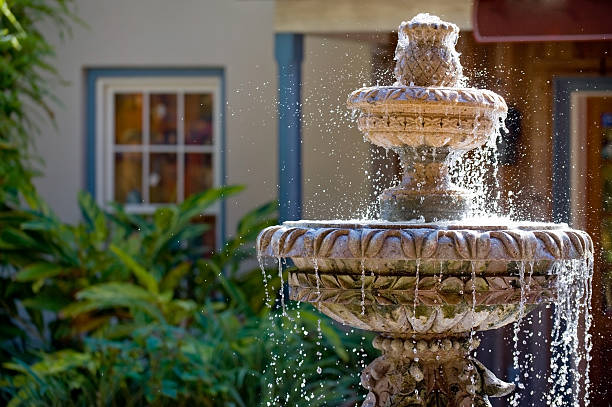
Why Water Features Feel Different Than Regular Decor
Most home décor just sits there. You look at it for a week and eventually stop noticing it.
Water moves. That changes everything.
A fountain keeps a space active without being loud or distracting. There’s motion, sound, reflection, texture. Even a compact tabletop fountain can make a boring office corner feel less dead. It’s subtle, but noticeable.
People also connect water with relaxation almost automatically. There’s science behind it somewhere, probably. But you don’t really need research papers to know it feels calming. You hear flowing water and your shoulders drop a little. Simple as that.
That’s one reason indoor fountains work well in spaces where stress builds up fast. Home offices. Entryways. Bedrooms. Waiting rooms too.
Not every water feature has to become the center of attention either. Some of the best ones blend into the room naturally.
Indoor Fountains Work in More Spaces Than People Think
A lot of homeowners assume fountains only belong in giant houses with marble floors and oversized windows. Not true anymore.
Modern indoor fountains are built for regular homes too.
Small apartments can use vertical wall fountains because they don’t eat up floor space. Compact tabletop designs work on shelves, desks, or side tables. Freestanding water features can fit nicely near staircases or open living room corners.
It depends more on placement than square footage.
One mistake people make is overthinking style matching. Water is naturally neutral. Stone, copper, slate, glass — most fountain materials blend surprisingly well with existing décor.
Even rooms with modern minimalist design can benefit from soft flowing water. Actually, especially those rooms. Minimal spaces sometimes feel cold. Water adds warmth without cluttering things up.
The Sound Is Half the Experience
People shop for fountains based on looks first. Understandable. But the sound matters just as much.
Some water features create a stronger cascading sound. Others barely whisper. Neither is wrong. It depends what you want from the room.
Bedrooms usually work better with quieter indoor fountains. Living rooms can handle a little more movement and sound texture. Offices often benefit from medium-flow fountains because they help soften distracting background noise.
And yes, maintenance affects sound too. Low water levels can make pumps noisy. That’s usually where complaints come from.
A properly maintained fountain should sound relaxing, not like plumbing trouble.
Water Features Create a More Lived-In Feeling
This part is hard to explain until you experience it yourself.
Homes with water features feel occupied in a comforting way. The movement creates presence. Even when nobody’s talking, the room doesn’t feel empty.
That’s especially useful in open floor plans where spaces can sometimes feel too wide or quiet. A fountain breaks up that emptiness naturally.
Restaurants figured this out years ago. Hotels too. There’s a reason high-end spaces keep using water elements in their design.
People stay longer in spaces that feel calming.
Now homeowners are bringing that same idea inside without needing massive renovations.
Choosing Indoor Fountains Without Regret
Some buyers go too big too quickly. That usually ends badly.
A massive fountain stuffed into a small room can feel awkward fast. Start smaller if you’re unsure. Seriously. You can always upgrade later.
Focus on three things first:
-
Sound level
-
Size relative to the room
-
Material quality
Cheap materials tend to age badly around water. Fake stone finishes especially. They can start looking rough after a while.
Natural materials usually hold up better and look more authentic over time.
Lighting matters too. Some indoor fountains include built-in LED lighting, which can look great in darker corners or evening settings. But overly bright colored lights can feel gimmicky pretty fast. Soft warm lighting usually works better.
Maintenance Isn’t as Difficult as People Assume
There’s this weird belief that fountains are high-maintenance nightmares. Most modern ones really aren’t.
You clean the pump occasionally. Refill water when needed. Wipe surfaces down now and then. That’s basically it.
Distilled water helps reduce mineral buildup if your local water is hard. That alone prevents a lot of maintenance issues.
The bigger factor is buying decent quality from the start.
Cheap pumps fail faster. Poor construction leaks more often. Low-end fountains sometimes create more frustration than relaxation.
That’s why quality matters with water features more than some other décor pieces.
Indoor Fountains and Air Quality
People don’t talk about this enough.
Indoor fountains can slightly improve how dry indoor air feels, especially during colder months when heating systems make rooms uncomfortable. They’re not humidifiers exactly, but moving water does add a little moisture back into the environment.
Some people notice fewer dry throat issues or less static electricity around the house. Small difference. Still noticeable sometimes.
At minimum, fountains make indoor environments feel fresher.
And visually, water softens hard surfaces everywhere. Wood, tile, metal, concrete — they all feel less rigid when balanced with flowing water nearby.
Water Features Are Also About Slowing Down
Most homes are full of stimulation now. Screens everywhere. Notifications nonstop. Constant noise.
Water does the opposite.
You don’t interact with a fountain the way you interact with technology. You just exist near it. Sounds simple, but honestly, people need more of that.
Even five quiet minutes beside flowing water changes the pace of a room.
That’s probably why indoor fountains continue growing in popularity despite changing design trends. They aren’t just decorative objects anymore. They affect how a space feels emotionally.
And people are craving calmer environments right now.
Makes sense.
Finding the Right Water Features for Your Space
Not every fountain works for every home. That’s normal.
Some spaces need sleek contemporary wall fountains. Others look better with natural stone waterfalls or compact tabletop designs. The important thing is finding something that feels natural in your environment instead of forced.
A good fountain shouldn’t look like an afterthought.
If you’re exploring high-quality water features or stylish indoor fountains that actually feel built to last, take a look at Fountains. There’s a wide range of designs for different room sizes and styles, whether you want something subtle or more eye-catching.
Sometimes one well-placed fountain changes more about a room than an entire furniture upgrade ever could.
FAQs
Are indoor fountains hard to maintain?
Not really. Most indoor fountains only need occasional cleaning, pump care, and water refills. Using distilled water can also help reduce buildup and make maintenance easier.
Do water features increase humidity indoors?
Slightly, yes. Water features can add a small amount of moisture to indoor air, which may help rooms feel less dry during colder seasons.
Where should indoor fountains be placed?
Living rooms, entryways, offices, and quiet corners usually work best. Placement depends on the fountain size and the type of sound you want in the space.
Are indoor fountains noisy?
A quality fountain should produce relaxing water sounds, not loud mechanical noise. Sound levels vary depending on water flow and fountain design.

 English
 French
 Spanish
 Portuguese
 Deutsch
 Turkish
 Dutch
Dutch
 Italiano
 Russian
 Romaian
 Portuguese (Brazil)
 Greek
Greek