


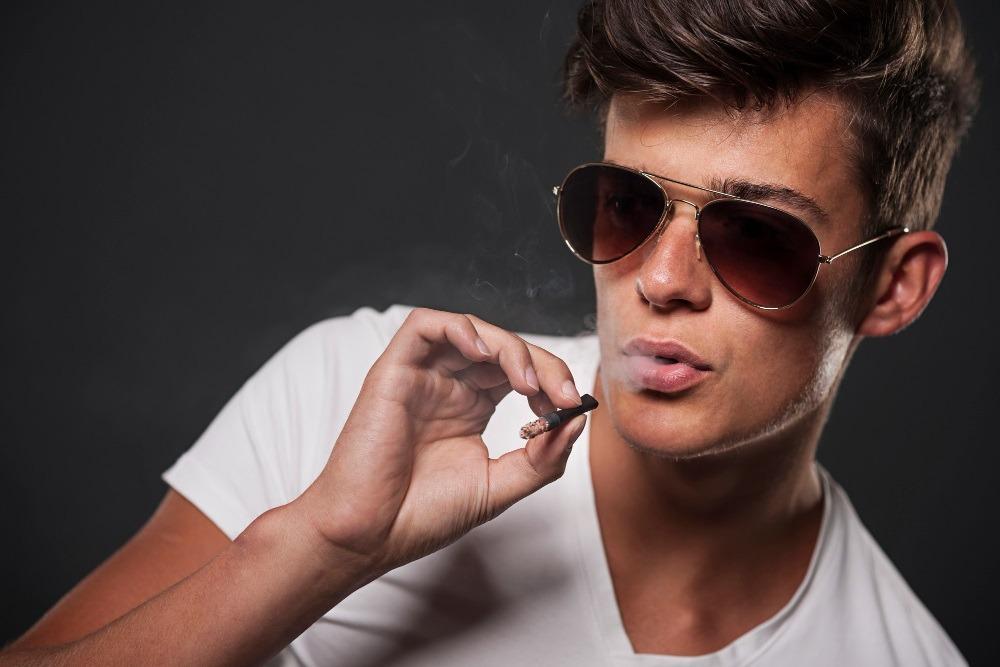
Australian youth are spending more time online than ever before, and tobacco-related content is following them into their feeds. Recent research from the University of Queensland reveals that 61 per cent of the young population has been exposed to tobacco or e-cigarette content on social media in the past 30 days. Approximately 28 per cent of those surveyed said this exposure made them curious to try a nicotine product. These numbers signal a growing concern for public health officials who have spent decades reducing smoking rates among teenagers.
The Connection Between Social Media Exposure and Smoking Initiation
The link between social media use and smoking initiation is well-documented. A study published in Addictive Behaviours found that youth with no experience of prior tobacco use who used social media daily were 67 per cent more likely to begin smoking after one year. The research also showed that young people who actively engaged with tobacco product marketing by liking or following content from big tobacco brands developed an even heightened risk of first-time tobacco use. Those who engaged directly with tobacco brands on social platforms were 34 per cent more likely to start using any tobacco product for the first time and 60 per cent more likely to begin using more than one tobacco product.
University of Queensland researchers led by Dr Carmen Lim assessed survey responses from more than 5,600 young people who did not smoke or vape and who surfed social media in the previous month. Research indicated that content shared by celebrities and social media influencers about nicotine products, such as e-cigarettes, had a significant impact on attitudes favouring tobacco and the use of e-cigarettes.
How Influencers Shape Nicotine Product Perceptions
Paid influencer endorsements play a huge role in normalising and glamourising tobacco use, often without disclosure of financial interest. This marketing strategy specifically targets vulnerable groups, such as youth and ethnic minorities, making them more prone to starting and continuing usage.
Big Tobacco has adapted its marketing tactics as traditional advertising bans took effect. As old rules no longer applied, tobacco companies started using internet platforms including Facebook and Instagram to bypass advertising restrictions. Companies began hiring social media influencers to promote both traditional tobacco products and e-cigarettes online, and their efforts were remarkably successful. In August 2018, an investigation by the New York Times examined Big Tobacco's influence on social media and discovered 123 hashtags linked to these companies' tobacco products, which had collectively been viewed an astonishing 25 billion times.
Current Smoking Rates Among Australian Teenagers
Despite these concerning trends, Australia has made remarkable progress in reducing adolescent smoking over recent decades. Encouraging data show that in 2022/2023, the prevalence of tobacco smoking among teenagers was at its lowest since surveys began almost four decades earlier. The lowest rate of daily smoking was seen in those aged 14-17 years, among whom less than 1 per cent reported daily smoking, down from 4.1 per cent in 2001.
Overall, fewer than one in 10 Australians now smoke tobacco daily, with the rate of daily smoking dropping to 8.3 per cent in 2022-23, down from 11 per cent in 2019. Even more promising is that young people who have never smoked is at its highest ever level at 94 per cent. Specifically, 94 per cent of 15-17 year olds and 79 per cent of 18-24 year olds state they have never smoked, compared to 50 per cent of people aged 65 and over.
The Rise of Vaping and Its Impact on Smoking Susceptibility
While traditional smoking rates have declined, vaping has emerged as a significant concern. New ASSAD data shows that almost one-third of Australian adolescents, specifically 29.9 per cent, have ever tried vaping. From 2014 to 2022-2023, the prevalence of ever vaping among students increased 2.3-fold from 13.2 per cent to 29.9 per cent, while past month vaping increased 4.8-fold from 3.3 per cent to 15.7 per cent.
However, there is encouraging news. The rate of vaping has decreased among young people aged 14-17, falling from 18 per cent in early 2023 to 15 per cent in 2025. The percentage of young people who have never vaped has increased to 85 per cent compared to 82 per cent in early 2023.
Why Social Media Regulation Matters
Dr. Limemphasisedsd that stronger strategies are required to reduce or limit the promotion of tobacco content on social media to build a safer online environment for young people. Enhancing age verification systems on these platforms is a good starting point to ensure that minors are less likely to encounter pro-tobacco content. It is also essential to require clear disclosure of tobacco brand sponsorships, enabling audiences to make more informed decisions about the content they see. This increased awareness can diminish the persuasive power of tobacco promotion, as people are more likely to question the motives of the content creators.
Despite a significant decline in smoking rates, reaching their lowest levels since the peak usage during the 1960s and 1970s, there are growing concerns about a potential resurgence. This worry stems from major tobacco companies targeting younger demographics through their marketing efforts on social media platforms.
What Parents and Young People Can Do
Young people are more aware about the harms of vaping, and the social acceptability of vaping has shifted over the past few years. Young people tried vaping as it was marketed to them as fun, safe, and full of great flavours, but increasingly young people report the realities of vaping addiction and harm to their wellbeing.
Parents should monitor their children's social media exposure and have open conversations about nicotine product marketing. Young people should be aware that influencer content promoting tobacco or vaping products often involves paid partnerships that may not be clearly disclosed.
Moving Forward with Evidence-Based Prevention
Addressing the promotion normalisation on social media is crucial to prevent the normalisation of tobacco use and to safeguard vulnerable populations from the harmful effects of nicotine-normalisers. We need to persist in our efforts to de-normalise re-normalising the influence of social media in re-normalising tobacco use.
For those in Perth looking for reliable cigarette suppliers, you can Buy Marlboro cigarettes Perth from trusted retailers who comply with Australian tobacco regulations. The Australian Government's National Tobacco Campaign continues to empower citizens to give up tobacco and alternatives like vapes for the best or not even start in the first place so they can live a healthy life.
My Cigs Australia serves customers across Perth with compliant tobacco products and maintains strict adherence to Australian age verification and advertising regulations. As Australia continues its fight against tobacco use, combining strong regulation with public education remains the most effective approach to protecting young people from nicotine addiction.

 Arabic
 French
 Spanish
 Portuguese
 Deutsch
 Turkish
 Dutch
Dutch
 Italiano
 Russian
 Romaian
 Portuguese (Brazil)
 Greek
Greek