


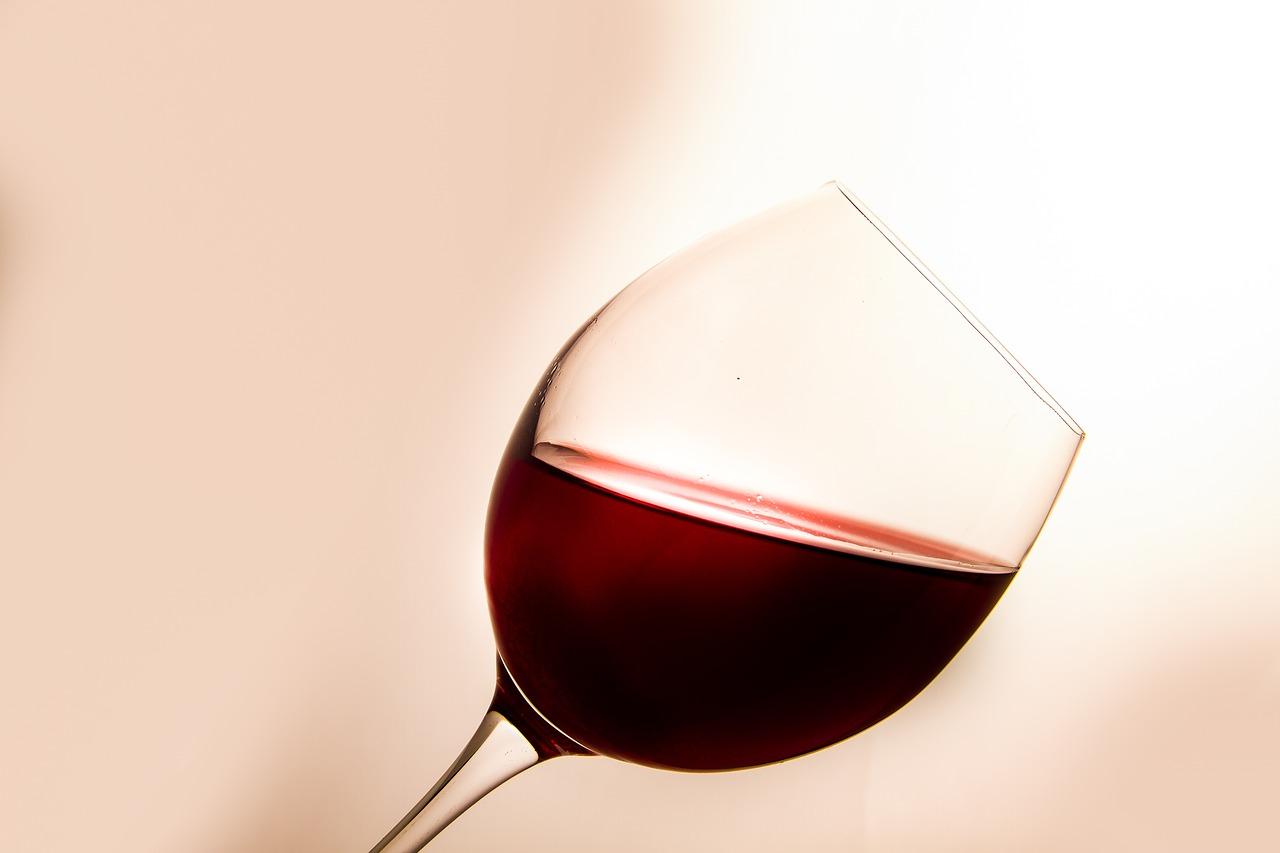
The beverage industry is undergoing one of its most interesting transformations in decades, driven by shifting consumer preferences, health consciousness, and innovation in food science. Among the standout developments is the rise of non-alcoholic red wine, a category that is no longer a niche curiosity but a rapidly expanding segment influencing how producers, retailers, and consumers think about wine itself.
A Shift in Drinking Culture
Over the past decade, global drinking habits have changed significantly. Younger consumers in particular are drinking less alcohol than previous generations, or choosing to abstain altogether. This shift is not necessarily about rejecting social drinking, but rather about prioritizing wellness, mental clarity, and lifestyle balance.
In this environment, traditional wine consumption has faced challenges, but also opportunities. One of the most important responses from the industry has been the development of sophisticated alcohol-free alternatives that maintain the complexity and ritual of wine drinking without the effects of ethanol.
This is where non-alcoholic red wine has carved out a unique and influential space. It offers the sensory experience of wine—aroma, tannins, body, and pairing potential—while aligning with modern health-oriented lifestyles.
How Production Techniques Are Evolving
Creating a convincing alcohol-free red wine is far more complex than simply removing alcohol. Winemakers must first produce a full-bodied traditional wine, often using grapes known for strong tannin structures such as Cabernet Sauvignon, Merlot, or Syrah. After fermentation, the alcohol is gently removed using advanced techniques like vacuum distillation or reverse osmosis.
The challenge is that alcohol contributes significantly to mouthfeel, aroma volatility, and structure. Removing it can easily result in a flat or watery product if not handled carefully. To compensate, producers often adjust fermentation methods, use oak aging, or blend with concentrated grape musts to restore depth.
As technology has improved, so has quality. Early versions of alcohol-free wines were often criticized for lacking authenticity, but modern iterations are increasingly convincing. Today, many sommeliers acknowledge that premium offerings in this category can stand alongside traditional wines in certain contexts.
Meeting Health and Wellness Demand
One of the biggest drivers behind the popularity of non-alcoholic red wine is health awareness. Consumers are more informed than ever about the effects of alcohol on sleep, liver health, calorie intake, and long-term well-being. As a result, many are looking for ways to reduce consumption without giving up the experience entirely.
Alcohol-free wine fits neatly into this demand. It typically contains fewer calories, no ethanol-related health risks, and still provides polyphenols such as resveratrol, which are associated with antioxidant benefits. While it is not a “health drink” in the same sense as juice or kombucha, it is often perceived as a healthier alternative to traditional alcohol.
Importantly, it also allows people to participate in social rituals—dinners, celebrations, and gatherings—without feeling excluded or pressured to drink alcohol. This inclusivity has made it especially popular in mixed-preference social environments.
Impact on Restaurants and Hospitality
The hospitality industry has been quick to notice the growing demand. Restaurants, hotels, and wine bars are increasingly expanding their beverage menus to include premium alcohol-free options. In some establishments, curated pairings featuring non-alcoholic red wine are now offered alongside traditional wine pairings.
This shift is not just about inclusivity; it is also about revenue diversification. Guests who do not drink alcohol still expect a premium dining experience, and offering thoughtful alternatives helps businesses capture a wider audience.
High-end restaurants, in particular, are experimenting with food pairings that highlight the structure and acidity of alcohol-free reds. Dishes like grilled vegetables, mushroom-based entrees, and rich plant-based proteins often complement these wines well, allowing chefs to design entirely new pairing experiences.
Retail Growth and Market Expansion
Retailers are also responding to the trend. Supermarkets and specialty beverage stores are dedicating more shelf space to alcohol-free wine categories, and online platforms are seeing rapid growth in direct-to-consumer sales.
Market analysts have noted that what was once a novelty category is now becoming a stable segment with long-term potential. As production methods improve and consumer awareness increases, availability is expanding beyond urban centers into mainstream markets.
The growing visibility of non-alcoholic red wine in retail environments is also helping normalize it. Instead of being viewed as an alternative for specific groups, it is increasingly seen as a legitimate choice for any consumer.
Challenges in Perception and Quality
Despite its growth, the category still faces challenges. Taste perception remains subjective, and some consumers remain skeptical about whether alcohol-free wine can truly replicate the complexity of traditional wine.
There is also the issue of labeling and expectations. The word “wine” carries cultural and sensory expectations that can be difficult to meet without alcohol. As a result, producers must carefully manage branding and education to ensure consumers understand what they are buying.
Another challenge is price. Because production involves additional processing steps, some alcohol-free wines are priced similarly to mid-range traditional wines, which can surprise first-time buyers expecting a cheaper product.
However, as competition increases and technology becomes more efficient, prices are expected to stabilize.
Innovation Driving the Future
Innovation is at the heart of this category’s future. Producers are experimenting with hybrid fermentation techniques, improved dealcoholization systems, and even botanical infusions to enhance complexity.
Some companies are also focusing on terroir expression—trying to preserve the unique characteristics of grape-growing regions even after alcohol removal. This approach aims to elevate alcohol-free wines from simple substitutes to standalone products with their own identity.
As consumer demand grows, investment in research and development is likely to accelerate, leading to even more refined offerings.
A New Definition of Wine Culture
Perhaps the most significant impact of non-alcoholic red wine is cultural. Wine has traditionally been associated with alcohol as an inseparable component of its identity. However, the rise of alcohol-free alternatives is challenging that assumption.
Instead of replacing traditional wine, this category is expanding what wine culture can include. It allows for greater flexibility in how and when people participate in wine drinking, without sacrificing social or sensory enjoyment.
For many consumers, this means they can enjoy wine on a weekday evening, during lunch, or in situations where alcohol is not appropriate, without compromise.
Conclusion
The beverage industry is evolving rapidly, and the rise of alcohol-free alternatives is one of its most defining trends. From production innovation to changing consumer habits, the impact is being felt across the entire value chain.
As awareness continues to grow and quality improves, non-alcoholic red wine is likely to become a permanent fixture in both retail and hospitality sectors. It represents not just a product innovation but a broader cultural shift toward mindful consumption, inclusivity, and choice in modern drinking habits.

 English
 Arabic
 French
 Spanish
 Portuguese
 Turkish
 Dutch
Dutch
 Italiano
 Russian
 Romaian
 Portuguese (Brazil)
 Greek
Greek