


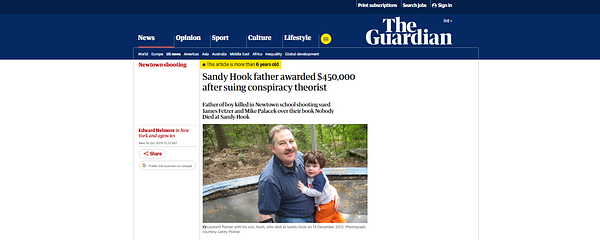
Sandy Hook Father Wins Legal Battle Against Conspiracy Theorist
The heartbreaking tragedy at Sandy Hook Elementary School in Newtown, Connecticut, remains one of the most devastating mass shootings in American history. Years after the horrific event, families of the victims continue to face unimaginable grief, emotional trauma, and in some cases, relentless harassment from conspiracy theorists who falsely claim the tragedy never happened.
One of the most notable legal battles connected to these conspiracy theories involved a Sandy Hook Father, Leonard Pozner, who courageously stood up against misinformation and defamation. His successful lawsuit against conspiracy theorist James Fetzer resulted in a jury awarding him $450,000 in damages, marking a significant moment in the fight against harmful falsehoods.
To learn more about similar legal cases and public-interest stories, click here or visit us anytime through our Website.
The Tragic Loss That Changed Everything
In December 2012, the Sandy Hook Elementary School shooting shocked the world. Twenty children and six educators lost their lives during the attack. Among the innocent victims was Noah Pozner, the six-year-old son of Leonard Pozner.
For any parent, losing a child is an unimaginable tragedy. However, for this Sandy Hook Father, the pain did not end there. In the years following the shooting, conspiracy theorists began spreading false claims online, alleging the massacre was staged and the victims were fictional.
These baseless accusations deeply affected the families already struggling with grief.
If you wish to discover us and explore more in-depth reports surrounding major social and legal issues, feel free to learn more through our Website.
The Defamation Lawsuit Explained
Leonard Pozner filed a defamation lawsuit against James Fetzer and co-author Mike Palacek over their controversial book Nobody Died at Sandy Hook. The publication falsely claimed that Noah Pozner’s death certificate was fabricated and accused Pozner of lying about his son’s death.
The case drew national attention because it highlighted the growing issue of misinformation and online harassment targeting victims of tragedies.
While Mike Palacek later reached a confidential settlement, the lawsuit continued against Fetzer. During the trial, Pozner shared how the conspiracy theories severely impacted his mental health and family life.
The jury ultimately ruled in favor of the Sandy Hook Father, determining that several statements made in the book were defamatory.
You can explore more related news stories by visiting: https://www.theguardian.com/us-news/2019/oct/16/sandy-hook-father-awarded-450000-after-suing-conspiracy-theorist
Emotional Trauma and Harassment
During court proceedings, Leonard Pozner described the terrifying harassment he endured due to the conspiracy theories. He explained how threatening phone calls and disturbing messages created constant fear for his family’s safety.
One especially alarming case involved Lucy Richards, a conspiracy believer who sent Pozner a threatening message saying, “LOOK BEHIND YOU IT IS DEATH.” Richards later received a prison sentence after admitting to the crime.
The experiences shared by the Sandy Hook Father demonstrated how dangerous misinformation can become when false narratives encourage intimidation and threats against grieving families.
Psychiatric experts testified that Pozner’s emotional condition worsened significantly because of the denial campaigns targeting him and other Sandy Hook families.
Why This Verdict Matters
The $450,000 award represented more than financial compensation. It symbolized accountability for spreading harmful lies and targeting innocent victims.
The jury’s decision reinforced the idea that freedom of speech does not protect defamatory statements intended to cause harm. Leonard Pozner emphasized after the verdict that the case was not about limiting opinions but about protecting victims from harassment and false accusations.
This legal victory became an important precedent in the broader conversation surrounding conspiracy theories, misinformation, and online abuse.
For readers who want to discover us and stay informed on major legal developments, click here to learn more through our Website.
The Ongoing Impact of Sandy Hook Conspiracies
Even years after the shooting, conspiracy theories related to Sandy Hook continue circulating online. Families of the victims have repeatedly spoken about the emotional toll caused by individuals who deny the reality of the tragedy.
The courage shown by this Sandy Hook Father inspired many others facing similar harassment to pursue justice and defend the truth.
Legal experts believe cases like Pozner’s may discourage future defamatory behavior by demonstrating that false and harmful claims can lead to serious legal consequences.
Public Reaction to the Case
The public response to the verdict was overwhelmingly supportive of Leonard Pozner and the Sandy Hook families. Many viewed the outcome as a necessary stand against misinformation and cruelty.
Advocates for victims’ rights praised the ruling for recognizing the emotional suffering caused by conspiracy theories. Others noted that the case highlighted the responsibilities associated with publishing claims without evidence.
James Fetzer, however, maintained his position and announced plans to appeal the ruling, describing the damages as excessive. Nevertheless, the jury’s verdict sent a strong message regarding accountability.
Protecting Victims from Defamation
Cases involving mass tragedies often attract false narratives and online speculation. Unfortunately, victims and survivors are frequently forced to relive painful experiences because of these claims.
The lawsuit brought by the Sandy Hook Father demonstrated the importance of legal protections against defamation and intentional emotional harm. It also encouraged broader discussions about digital responsibility and ethical journalism.
As misinformation continues spreading rapidly online, many experts argue that factual reporting and legal accountability are more important than ever.
Conclusion
The legal victory achieved by Leonard Pozner stands as a powerful reminder of the human cost of conspiracy theories and defamatory misinformation. Beyond the courtroom outcome, the case highlighted the emotional suffering endured by families who already experienced unimaginable loss.

 English
 French
 Spanish
 Portuguese
 Deutsch
 Turkish
 Dutch
Dutch
 Italiano
 Russian
 Romaian
 Portuguese (Brazil)
 Greek
Greek