


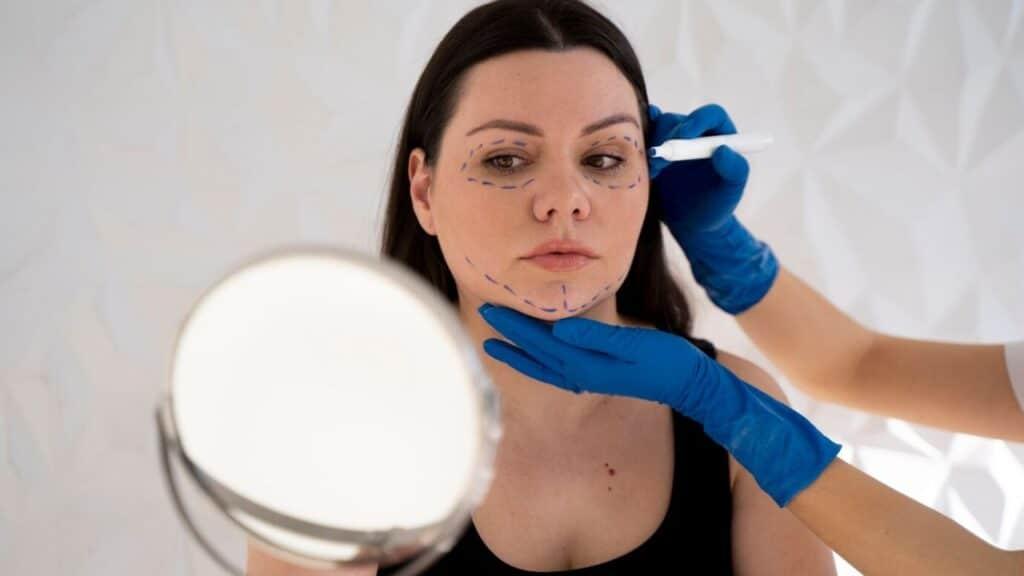
Skin rejuvenation has advanced significantly over the past decade, moving beyond simple hydration and surface-level treatments to biologically active therapies that work at a cellular level.
Among these innovations, polynucleotide-based injections have gained attention for their ability to repair damaged skin, improve elasticity, and enhance overall skin quality. This article explores the science behind these treatments and why they are becoming a preferred option in modern aesthetic medicine.
Understanding Polynucleotides in Skin Therapy
Polynucleotides are naturally derived biological molecules made up of long chains of nucleotides, the same building blocks that form DNA and RNA. In aesthetic medicine, these molecules are typically extracted from purified fish sources and processed into injectable solutions designed for skin regeneration.
Once introduced into the skin, they act as bio-stimulators rather than traditional fillers. Instead of simply adding volume, they interact with the skin’s cellular environment to promote repair and regeneration. This is the foundation of the modern Polynucleotide Treatment approach used in skin rejuvenation clinics.
Their primary role is not to change facial structure but to improve the biological quality of the skin itself.
How Polynucleotides Work at the Cellular Level
The effectiveness of polynucleotides lies in their ability to interact with fibroblasts, the cells responsible for producing collagen and elastin. These proteins are essential for maintaining skin firmness, elasticity, and youthful texture.
When injected, polynucleotides:
· Stimulate fibroblast activity
· Promote tissue repair
· Enhance hydration by binding water molecules
· Reduce oxidative stress in skin cells
This multi-layered action helps restore damaged or aging skin from within. Unlike topical creams that only affect the outer layer, Polynucleotide Treatment works deeper in the dermis where structural skin changes occur.
Additionally, polynucleotides have anti-inflammatory properties, which makes them useful for calming irritated or sensitive skin conditions.
The Role of Skin Regeneration and Healing
One of the most important aspects of polynucleotide therapy is its ability to support the skin’s natural healing processes. When skin is exposed to environmental stressors such as UV radiation, pollution, or aging, its repair mechanisms slow down.
Polynucleotides help by:
· Increasing cellular turnover
· Enhancing microcirculation
· Supporting extracellular matrix repair
This means the skin not only looks healthier but also functions better at a biological level. In many cases, patients notice improvements in skin texture and hydration within weeks of undergoing Polynucleotide Treatment, although full results develop gradually over time.
Benefits Beyond Simple Skin Hydration
While many injectable treatments focus on hydration or volume, polynucleotides offer broader regenerative benefits. Their unique biochemical properties allow them to improve multiple aspects of skin health simultaneously.
Key benefits include:
1. Improved Skin Elasticity
By stimulating collagen and elastin production, polynucleotides help restore firmness and reduce early signs of sagging.
2. Deep Hydration
They attract and retain water molecules within the skin, providing long-lasting hydration that goes beyond surface moisturizers.
3. Reduction of Fine Lines
As skin structure improves, fine lines become less visible due to increased dermal support.
4. Enhanced Skin Tone and Texture
Irregularities such as roughness or dullness are gradually reduced.
These cumulative effects make Polynucleotide Treatment particularly attractive for individuals seeking natural-looking rejuvenation rather than dramatic alterations.
Areas Commonly Treated with Polynucleotides
Polynucleotide injections are versatile and can be used in multiple facial and body areas. The most common treatment zones include:
· Under-eye area (to reduce dark circles and crepiness)
· Face (for overall skin rejuvenation)
· Neck (to improve elasticity and texture)
· Décolletage (to reduce sun damage signs)
· Hands (to restore youthful appearance)
Because the treatment focuses on skin quality rather than structural change, it is often used in delicate areas where traditional fillers may not be suitable.
Safety Profile and Biological Compatibility
One of the reasons polynucleotides are widely used in dermatology is their high level of biocompatibility. Since they are derived from purified biological sources and broken down into non-toxic components, the risk of adverse reactions is generally low when administered correctly.
Common temporary side effects may include mild redness, swelling, or bruising at the injection site. These typically resolve within a few days.
Because the treatment works by supporting natural biological processes, it is considered a conservative and safe regenerative option compared to more aggressive aesthetic procedures. This safety profile has contributed significantly to the growing popularity of Polynucleotide Treatment in both preventive and corrective skincare.
Why Polynucleotides Are Different from Traditional Fillers
Traditional dermal fillers primarily use hyaluronic acid or similar substances to add volume to specific facial areas. While effective for contouring, they do not significantly improve skin quality at a cellular level.
Polynucleotides, on the other hand, are not volumizing agents. Instead, they act as regenerative stimulators. This means they improve the skin’s internal structure rather than simply filling space.
This distinction is important because it reflects a shift in aesthetic medicine toward skin health rather than artificial enhancement. Many practitioners now combine both approaches for optimal results, but Polynucleotide Treatment is increasingly used as a foundational therapy for long-term skin improvement.
Long-Term Effects and Treatment Protocols
The results of polynucleotide therapy are not immediate but develop progressively. Most treatment plans involve a series of sessions spaced a few weeks apart, followed by maintenance treatments.
Over time, patients may experience:
· Stronger skin structure
· Improved elasticity
· More even skin tone
· Increased resistance to environmental damage
Because the treatment supports ongoing cellular activity, its benefits can continue to improve even after the initial sessions are completed.
Consistency is key, as the regenerative effects build gradually with repeated stimulation.
The Future of Regenerative Aesthetic Medicine
The rise of polynucleotide-based therapies reflects a broader trend in aesthetic medicine: the shift from correction to regeneration. Instead of simply masking signs of aging, modern treatments aim to restore the skin’s natural biological function.
As research continues, new formulations and delivery methods are likely to enhance the effectiveness of these therapies even further. The growing demand for natural, minimally invasive procedures ensures that treatments like Polynucleotide Treatment will remain an important part of future dermatological practice.
Conclusion
Polynucleotide injections represent a scientifically advanced approach to skin rejuvenation. By working at a cellular level, they stimulate repair mechanisms, enhance hydration, and improve overall skin quality without altering natural facial structure.
Unlike traditional cosmetic procedures, their focus is not on artificial enhancement but on restoring biological health. This makes them an appealing option for individuals seeking subtle, natural, and long-lasting improvements in skin appearance.

 English
 French
 Spanish
 Portuguese
 Deutsch
 Turkish
 Dutch
Dutch
 Italiano
 Russian
 Romaian
 Portuguese (Brazil)
 Greek
Greek