


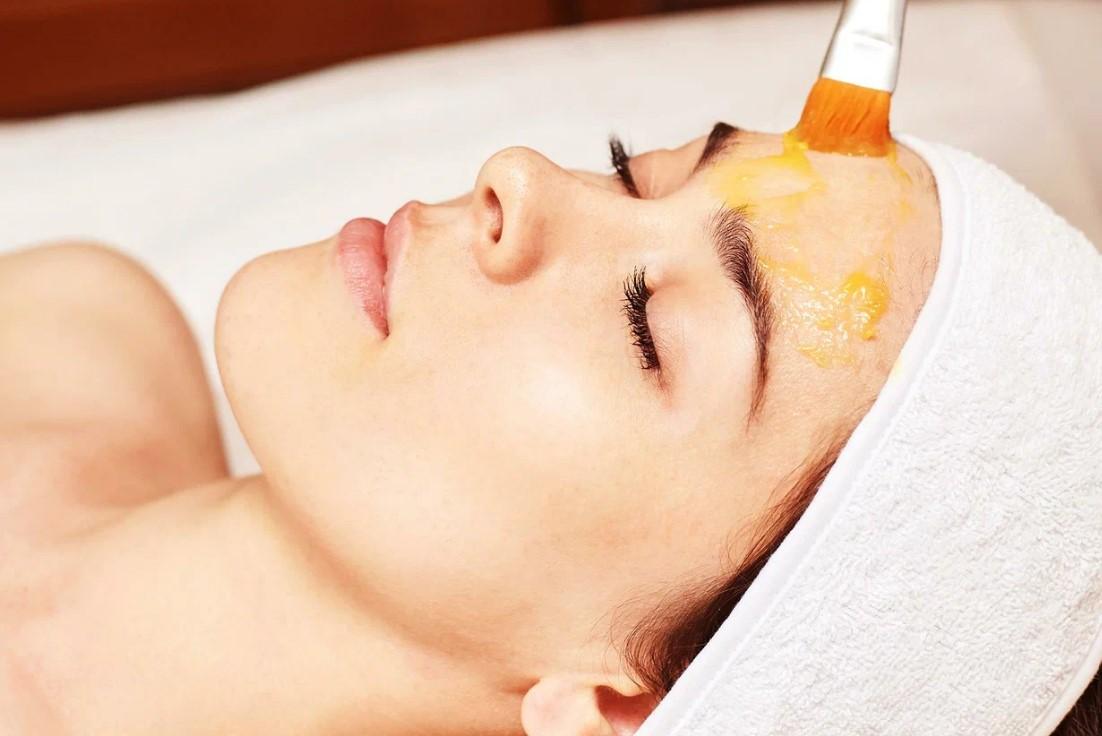
Post-Peel Skincare and Healing Tips: A Complete Recovery Guide
A chemical peel can significantly improve acne, pigmentation, fine lines, and overall skin texture—but the real results depend heavily on post-peel care. After a peel, your skin is in a temporary state of sensitivity and regeneration, meaning it needs extra protection, hydration, and gentle handling.
Whether you’ve had a light, medium, or deep peel, following the right aftercare routine ensures faster healing, fewer side effects, and better long-term results. Chemical Peels in Riyadh are becoming a popular choice for people looking to improve skin texture, reduce pigmentation, and achieve a brighter, more even complexion.
This guide explains everything you need to know about post-peel skincare and healing tips to help your skin recover safely and effectively.
What Happens to Your Skin After a Chemical Peel?
After a chemical peel, your skin goes through a controlled healing process. The outer damaged layer begins to shed, revealing newer skin underneath.
During this phase, your skin may experience:
- Redness or mild irritation
- Tightness or dryness
- Peeling or flaking
- Increased sensitivity to sunlight and products
These effects are normal and indicate that skin renewal is actively taking place.
1. Keep Your Skin Hydrated at All Times
Hydration is the most important part of post-peel recovery.
After a peel, your skin barrier is temporarily weakened, so moisture loss increases. To support healing:
- Apply a gentle, fragrance-free moisturizer regularly
- Use hydrating ingredients like hyaluronic acid and ceramides
- Reapply moisturizer whenever skin feels dry or tight
Well-hydrated skin heals faster and experiences less irritation.
2. Avoid Touching or Picking Your Skin
One of the most common mistakes after a peel is touching or peeling the skin manually.
You should avoid:
- Pulling off peeling skin
- Scratching itchy areas
- Excessive face touching
Let the skin shed naturally. Picking can lead to:
- Scarring
- Infection
- Uneven pigmentation
3. Use a Gentle Cleanser Only
During the healing phase, your skin needs a very mild cleansing routine.
Choose:
- Sulfate-free cleansers
- Fragrance-free formulas
- Cream or gel-based gentle cleansers
Avoid:
- Foaming harsh cleansers
- Scrubs or exfoliating washes
- Products with strong active ingredients
Wash your face with lukewarm water—never hot water—as heat can increase irritation.
4. Strict Sun Protection is Non-Negotiable
After a chemical peel, your skin becomes extremely sensitive to UV rays.
Without proper sun protection, you risk:
- Dark spots (hyperpigmentation)
- Uneven skin tone
- Delayed healing
To protect your skin:
- Apply broad-spectrum sunscreen (SPF 30–50+) daily
- Reapply every 2–3 hours if outdoors
- Avoid direct sunlight as much as possible
- Wear hats or protective clothing when outside
Sun protection is the most important factor in maintaining your results.
5. Avoid Active Ingredients Temporarily
After a peel, your skin cannot tolerate strong skincare ingredients.
Avoid for at least several days (or as advised by your dermatologist):
- Retinoids (retinol, tretinoin)
- Alpha hydroxy acids (glycolic, lactic acid)
- Beta hydroxy acids (salicylic acid)
- Vitamin C (if skin is sensitive)
- Benzoyl peroxide
Reintroduce these products slowly once your skin has fully healed.
6. Keep Makeup to a Minimum
It’s best to avoid makeup immediately after a peel, especially for medium and deep treatments.
If necessary:
- Wait at least 24–48 hours (light peels)
- Use non-comedogenic products only
- Remove makeup gently without rubbing
Allowing skin to breathe helps prevent irritation and clogged pores.
7. Stay Away from Heat and Sweat
Heat can worsen inflammation and slow down healing.
Avoid:
- Saunas and steam rooms
- Intense workouts for 1–3 days
- Hot showers or hot environments
Excessive sweating can also irritate freshly treated skin.
8. Use Soothing and Barrier-Repair Products
Your skin barrier needs support during recovery. Look for calming ingredients such as:
- Aloe vera
- Panthenol (Vitamin B5)
- Ceramides
- Centella asiatica
These ingredients help reduce redness and accelerate healing.
9. Expect and Manage Peeling Properly
Peeling is a normal part of recovery and usually begins within a few days depending on peel strength.
Light peels:
- Mild flaking
- Minimal downtime
Medium peels:
- Visible peeling for several days
- Skin may look patchy temporarily
Deep peels:
- Significant shedding over weeks
Do not interfere with the peeling process. Let the skin naturally renew itself.
10. Stay Consistent with Gentle Skincare
After a peel, simplicity is key.
A basic routine should include:
- Gentle cleanser
- Hydrating moisturizer
- Sunscreen (daily, essential)
Avoid overloading your skin with multiple products during recovery.
11. Watch for Unusual Reactions
While mild redness and peeling are normal, certain symptoms require attention:
- Severe pain or burning
- Excessive swelling
- Pus or signs of infection
- Persistent dark patches
- Unusual blistering
If these occur, consult a dermatologist immediately.
12. Be Patient with Results
Chemical peels improve skin gradually. Healing and visible results take time.
Typical timelines:
- Glow and brightness: 2–5 days (light peels)
- Texture improvement: 1–2 weeks
- Pigmentation reduction: several sessions over weeks
Consistency and proper aftercare are essential for long-term improvement.
Final Thoughts
Post-peel skincare is just as important as the chemical peel itself. The way you treat your skin after the procedure directly impacts your results, recovery speed, and risk of side effects.
By focusing on:
- Hydration
- Sun protection
- Gentle skincare
- Avoiding irritation triggers
you allow your skin to heal properly and maximize the benefits of the treatment.
With the right aftercare routine, chemical peels can lead to smoother, brighter, and healthier skin with long-lasting improvements.

 English
 Arabic
 French
 Spanish
 Portuguese
 Turkish
 Dutch
Dutch
 Italiano
 Russian
 Romaian
 Portuguese (Brazil)
 Greek
Greek