


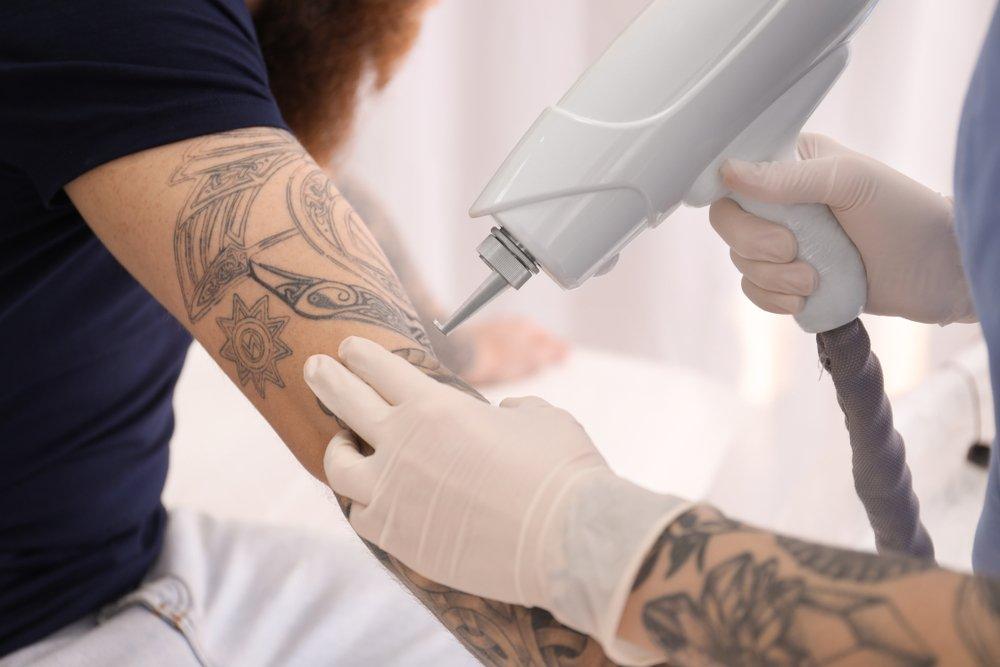
What Factors Affect Tattoo Removal Results
Tattoo removal is not a one-size-fits-all process. Even when the same laser technology is used, results can vary significantly from person to person. Some tattoos fade quickly within a few sessions, while others take much longer or may never fully disappear. Understanding the key factors that affect tattoo removal results helps set realistic expectations and improves overall satisfaction with the process.
Whether you are planning tattoo removal in Riyadh or elsewhere, these factors play a major role in how your skin responds to treatment. Tattoo removal in Riyadh offers advanced laser treatments designed to safely fade or completely remove unwanted tattoos with minimal downtime.
Tattoo Age
One of the most important factors is the age of the tattoo. Older tattoos are generally easier to remove because the ink naturally breaks down over time within the skin.
As tattoos age:
- Ink particles become less dense
- The immune system has already started breaking them down
- Laser energy can target ink more effectively
New tattoos, on the other hand, often contain more concentrated and stable ink, making them harder to remove and requiring more sessions.
Ink Color and Composition
The color of the tattoo ink has a major impact on removal success. Different pigments respond differently to laser wavelengths.
- Black ink: Easiest to remove because it absorbs all laser wavelengths
- Red ink: Usually responds well but may require specific settings
- Blue and green ink: More resistant and slower to fade
- Yellow and light colors: Most difficult and may only partially fade
Additionally, the quality and chemical composition of the ink used by the tattoo artist can influence how easily it breaks down. Professional-grade inks often penetrate deeper and are harder to eliminate completely.
Tattoo Depth and Density
How deeply the ink is placed in the skin also affects removal results. Tattoo ink is deposited into the dermis layer, but the depth can vary.
- Shallow tattoos: Easier to remove and fade faster
- Deep tattoos: Require more sessions and stronger laser energy
Similarly, dense tattoos with heavy shading or multiple layers of ink take longer to break down compared to lighter, simpler designs.
Tattoo Size and Complexity
The size and complexity of a tattoo also influence the removal process. Large tattoos naturally require more time and multiple sessions due to the increased surface area.
Complex designs with:
- Multiple colors
- Heavy shading
- Overlapping layers
- Fine detail work
are generally more difficult to remove completely compared to simple black line tattoos.
Skin Type and Tone
Skin type plays an important role in laser tattoo removal results. Melanin, the natural pigment in the skin, affects how laser energy is absorbed.
- Lighter skin tones: Usually respond more predictably to laser treatment
- Darker skin tones: Require more careful settings to avoid pigmentation changes
In darker skin, there is a higher risk of:
- Hyperpigmentation (dark spots)
- Hypopigmentation (light patches)
However, with modern lasers and experienced practitioners, safe and effective treatment is still possible for all skin types.
Immune System Response
Tattoo removal is not only about the laser—it also depends heavily on your body’s immune system. After laser treatment breaks ink into tiny particles, the immune system clears them away over time.
A stronger immune response can lead to:
- Faster fading
- More noticeable results between sessions
Factors that support immune efficiency include good hydration, overall health, and proper aftercare.
Location of the Tattoo on the Body
The placement of the tattoo significantly affects how quickly it fades.
Areas with strong blood circulation tend to heal and fade faster, such as:
- Upper arms
- Chest
- Back
Slower fading is often seen in areas with weaker circulation, including:
- Ankles
- Feet
- Fingers
- Lower legs
This is because the lymphatic system clears ink particles more efficiently in well-circulated areas.
Type of Laser Technology Used
The technology used for removal plays a critical role in results. Modern clinics typically use:
- Q-switched lasers: Effective for most tattoo types
- Picosecond lasers: Faster and more precise ink breakdown
Advanced laser systems can improve fading speed and reduce the number of sessions needed, but no technology guarantees instant removal.
Number of Sessions and Consistency
Tattoo removal is a gradual process that requires multiple sessions spaced several weeks apart. Skipping sessions or not following the recommended schedule can slow progress.
Consistent treatment allows:
- Proper skin healing between sessions
- Gradual ink breakdown
- Better long-term results
Rushing the process can increase the risk of skin damage and reduce effectiveness.
Aftercare and Skin Healing
Proper aftercare is essential for achieving the best tattoo removal results. Poor aftercare can lead to complications that slow down fading or affect skin appearance.
Good aftercare includes:
- Keeping the area clean
- Avoiding sun exposure
- Not picking scabs or blisters
- Following clinic instructions carefully
Neglecting aftercare may result in infection, scarring, or uneven fading.
Lifestyle Factors
Your overall lifestyle can also influence tattoo removal outcomes. Healthy habits support faster healing and better ink clearance.
Positive factors include:
- Staying hydrated
- Eating a balanced diet
- Avoiding smoking
- Getting enough rest
Smoking, in particular, can slow down circulation and reduce the body’s ability to remove ink particles efficiently.
Realistic Expectations
One of the most important factors affecting satisfaction is expectation. Not all tattoos can be completely removed, and results vary depending on multiple biological and technical factors.
Some tattoos fade almost completely, while others may leave faint traces or “ghost images.” Understanding this before starting treatment helps avoid disappointment and ensures a more positive experience.
Final Thoughts
Tattoo removal results depend on a combination of factors, including tattoo age, ink color, skin type, laser technology, and aftercare. While modern treatments have made significant progress in improving outcomes, each tattoo responds differently.

 English
 Arabic
 French
 Spanish
 Portuguese
 Turkish
 Dutch
Dutch
 Italiano
 Russian
 Romaian
 Portuguese (Brazil)
 Greek
Greek