


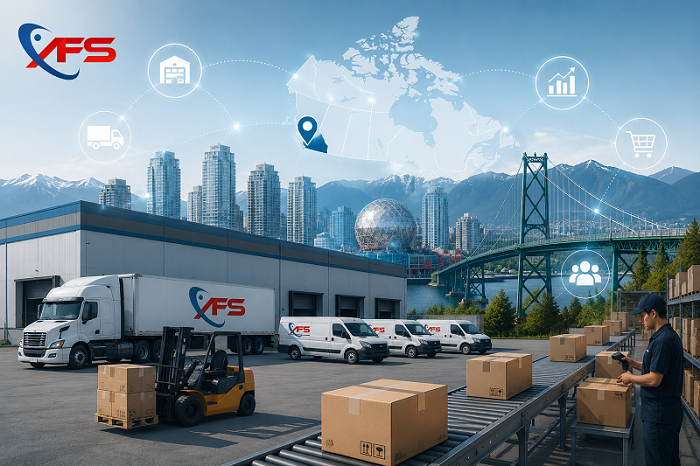
Every product sitting on a store shelf or arriving at a customer’s doorstep has traveled through a complex transportation network. Behind that smooth movement is a system powered by logistics trucking services. From small businesses shipping local orders to massive corporations managing nationwide freight, trucking plays a critical role in keeping supply chains moving efficiently.
In today’s competitive market, businesses cannot afford delayed deliveries, damaged shipments, or rising transportation costs. Customers expect fast service, accurate tracking, and dependable delivery schedules. This growing demand has transformed the trucking industry into a technology driven and customer focused sector.
Companies now rely on professional logistics trucking services not only for transportation but also for route planning, inventory coordination, freight management, and supply chain optimization. Understanding how these services work, what they cost, and the trends shaping the industry can help businesses make smarter decisions and stay competitive in a rapidly changing marketplace.
What Are Logistics Trucking Services?
Logistics trucking services involve the transportation of goods using commercial trucks while managing the planning, coordination, and delivery process from start to finish. These services are designed to move freight safely and efficiently between warehouses, distribution centers, retailers, manufacturers, and customers.
A trucking logistics provider often handles:
- Freight transportation
- Route optimization
- Shipment tracking
- Warehousing coordination
- Inventory management
- Delivery scheduling
- Last mile delivery support
Businesses across industries such as retail, construction, manufacturing, healthcare, and eCommerce depend heavily on trucking logistics for daily operations. Without reliable freight transportation, supply chains can slow down quickly, leading to financial losses and unhappy customers.
Key Benefits of Logistics Trucking Services
Faster and More Reliable Deliveries
One of the biggest advantages of professional trucking logistics is dependable transportation. Modern fleets use GPS tracking, advanced dispatch systems, and experienced drivers to ensure shipments arrive on time.
Reliable deliveries improve customer satisfaction and help businesses maintain strong relationships with suppliers and clients. In industries where timing matters, such as food distribution or medical supplies, dependable trucking becomes even more valuable.
Cost Efficiency for Businesses
Managing transportation internally can become expensive. Fuel costs, vehicle maintenance, driver salaries, insurance, and route planning all add up quickly. Outsourcing logistics trucking services allows businesses to reduce operational costs while improving efficiency.
Experienced logistics providers maximize truck capacity, reduce empty miles, and optimize delivery routes to lower transportation expenses. Businesses can focus more on growth instead of handling complex shipping operations.
Scalability During Business Growth
As businesses grow, shipping needs also increase. Logistics trucking companies provide flexible transportation solutions that can scale based on seasonal demand or expansion plans.
For example, an eCommerce company experiencing holiday sales spikes may need additional freight support temporarily. A professional trucking provider can quickly adapt to changing shipping volumes without disrupting operations.
Improved Shipment Visibility
Modern logistics systems provide real time shipment tracking and updates. Businesses can monitor deliveries, estimate arrival times, and quickly respond to unexpected delays.
This transparency builds trust with customers while helping companies improve supply chain planning. Real time visibility also reduces communication gaps between drivers, dispatchers, warehouses, and clients.
Understanding Logistics Trucking Costs
Transportation pricing depends on several important factors. Businesses should understand these cost elements before choosing a trucking logistics provider.
Distance and Fuel Expenses
Longer shipping distances naturally increase freight costs. Fuel prices also play a major role in transportation pricing. Sudden increases in fuel costs can affect overall shipping budgets significantly.
Freight Size and Weight
Large or heavy shipments require more truck space and fuel consumption. Specialized freight such as oversized equipment or temperature sensitive goods may also increase transportation costs due to additional handling requirements.
Delivery Speed Requirements
Expedited shipping services typically cost more than standard freight transportation. Businesses needing urgent deliveries may pay premium rates for faster service and dedicated trucking solutions.
Seasonal Demand
Shipping demand changes throughout the year. Peak seasons such as holidays often lead to higher trucking rates due to increased freight volumes and limited driver availability.
Specialized Equipment
Certain shipments require specialized trailers or transportation equipment. Refrigerated trucks, flatbeds, and hazardous material transportation usually come with additional operational costs.
Industry Trends Changing Trucking Logistics
The trucking and logistics industry continues to evolve rapidly. Businesses that stay informed about these trends can gain a competitive advantage and improve supply chain performance.
Technology Driven Fleet Management
Technology has transformed how trucking companies operate. Advanced transportation management systems now improve scheduling, dispatching, fuel efficiency, and delivery tracking.
Artificial intelligence and predictive analytics help logistics providers identify the fastest routes, reduce delays, and improve vehicle performance. These innovations lower costs while improving service reliability.
Growing Demand for Sustainable Transportation
Sustainability has become a major focus in logistics. Many companies are working to reduce carbon emissions by investing in fuel efficient trucks, electric vehicles, and eco friendly transportation strategies.
Customers increasingly prefer businesses that prioritize environmentally responsible shipping practices. As environmental regulations become stricter, sustainable logistics solutions will continue growing in importance.
Rise of eCommerce Shipping
Online shopping has dramatically increased the need for fast and efficient freight transportation. Consumers now expect quick deliveries and accurate tracking information for every order.
This shift has pushed logistics trucking providers to improve warehouse coordination, last mile delivery systems, and regional distribution networks. Businesses that adapt to these expectations are more likely to retain loyal customers.
Driver Shortages and Workforce Challenges
The trucking industry continues to face driver shortages in many regions. Recruiting and retaining qualified drivers has become a significant challenge for logistics companies.
To address this issue, many providers are investing in better driver training, improved working conditions, and advanced technologies that simplify transportation operations.
Increased Focus on Supply Chain Resilience
Recent global disruptions exposed weaknesses in supply chains across multiple industries. Businesses now place greater emphasis on building flexible and resilient logistics systems.
Many companies are diversifying transportation partners, increasing inventory visibility, and improving freight planning to reduce risks associated with delays or unexpected disruptions.
Choosing the Right Trucking Logistics Partner
Selecting the right logistics provider can directly impact business success. Companies should evaluate several important factors before making a decision.
Look for providers with:
- Strong industry experience
- Reliable safety records
- Real time tracking technology
- Flexible shipping solutions
- Transparent pricing
- Responsive customer support
- Scalable transportation capabilities
A trustworthy logistics partner should understand your industry needs and provide customized transportation solutions that align with business goals.
Conclusion
Logistics trucking services have become an essential part of modern supply chains. Businesses today need more than simple freight transportation. They need dependable partners that can improve efficiency, reduce costs, and support long term growth.
From advanced tracking technology to sustainable transportation practices, the trucking industry continues adapting to changing customer expectations and market demands. Companies that understand transportation costs, industry trends, and logistics strategies are better prepared to compete in today’s fast moving economy.
Choosing the right trucking logistics provider can improve delivery performance, strengthen customer trust, and create smoother operations across the entire supply chain. As industries continue evolving, reliable trucking logistics will remain one of the most important foundations of business success.

 English
 French
 Spanish
 Portuguese
 Deutsch
 Turkish
 Dutch
Dutch
 Italiano
 Russian
 Romaian
 Portuguese (Brazil)
 Greek
Greek