


PRP vs Medications for Hair Regrowth: A Complete Comparison
When it comes to treating hair loss, two of the most common approaches are PRP (Platelet-Rich Plasma) hair treatment and medications like minoxidil and finasteride. Both aim to slow hair loss and stimulate regrowth, but they work in completely different ways.
Understanding their differences helps you choose the right option based on your stage of hair loss, budget, and tolerance for side effects. PRP hair treatment in Riyadh is becoming a popular option for people looking to improve hair thickness and support natural regrowth through a non-surgical approach.
What is PRP Hair Treatment?
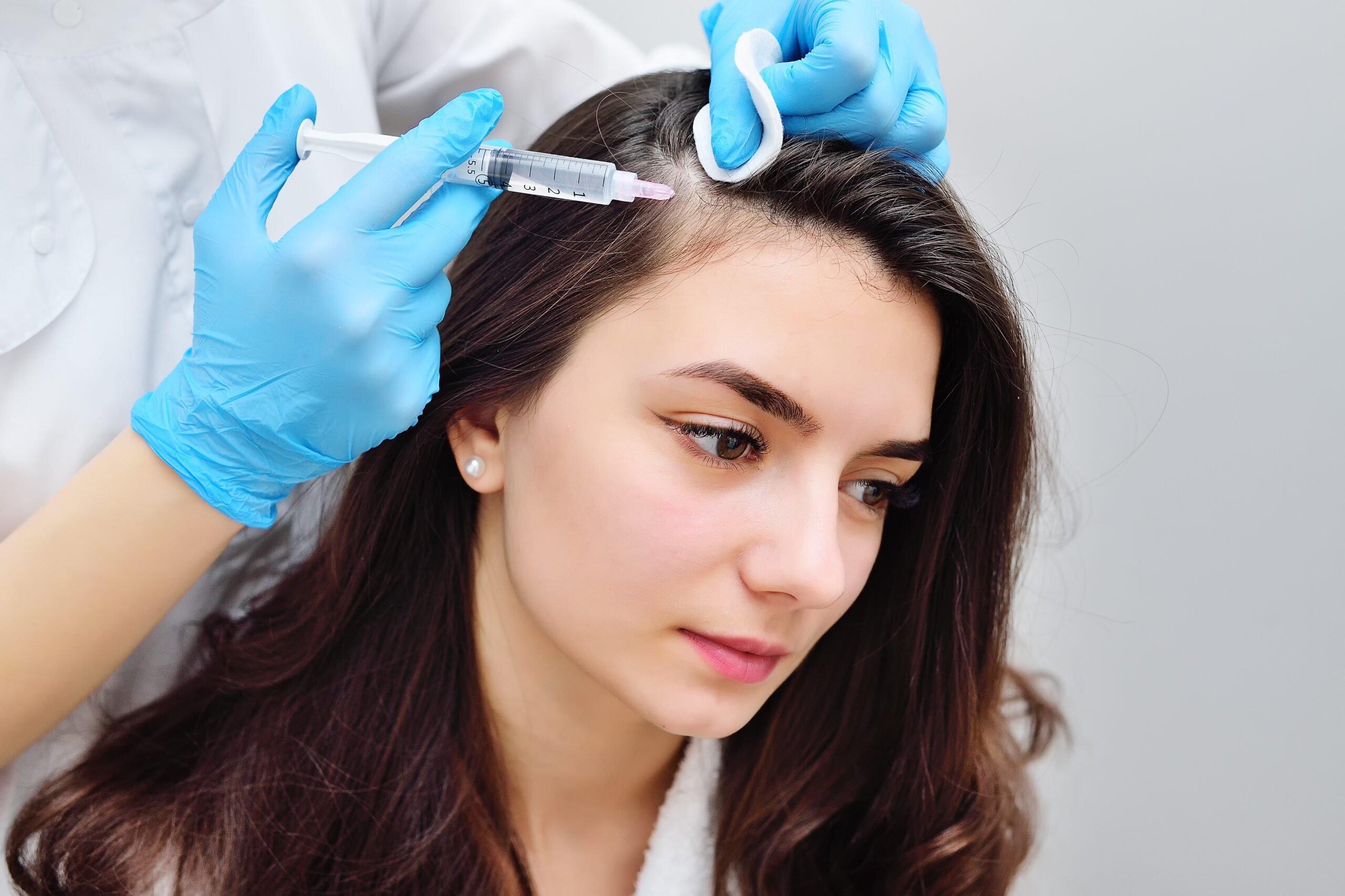
PRP (Platelet-Rich Plasma) is a regenerative, clinic-based procedure where your own blood is processed to extract platelet-rich plasma and injected into the scalp.
This plasma contains growth factors that:
- Stimulate weak or dormant hair follicles
- Improve blood supply to the scalp
- Strengthen existing hair strands
- Extend the natural hair growth phase
PRP is considered a non-surgical and natural treatment, commonly used in early to moderate hair thinning cases.
What are Hair Regrowth Medications?
The most common medications for hair loss include:
1. Minoxidil
A topical solution or foam that:
- Increases blood flow to hair follicles
- Extends the growth (anagen) phase
- Promotes thicker hair over time
2. Finasteride
An oral medication that:
- Reduces DHT (dihydrotestosterone), the hormone responsible for male pattern baldness
- Slows or stops further hair loss
- Helps maintain existing hair and sometimes regrow lost hair
These medications are often used daily and require long-term consistency.
PRP vs Medications: Key Differences
1. How They Work
- PRP: Uses growth factors from your own blood to stimulate follicle repair and regeneration
- Medications: Work by either increasing blood flow (minoxidil) or blocking DHT hormones (finasteride)
👉 In simple terms:
- PRP = “repair and stimulate”
- Medications = “control and maintain”
2. Effectiveness for Hair Regrowth
Clinical comparisons show both treatments can improve hair density, but in different ways:
- PRP improves hair density and thickness in suitable patients, especially early-stage hair loss
- Finasteride is highly effective in slowing hair loss progression and maintaining hair long-term
- Minoxidil provides moderate regrowth but requires continuous use
Some studies suggest PRP may slightly outperform minoxidil in certain hair density measures, especially when combined with other treatments.
3. Speed of Results
- PRP:
- Visible improvement: 2–3 months
- Best results: 4–6 months after multiple sessions
- Medications:
- Minoxidil: 3–6 months for visible regrowth
- Finasteride: 6–12 months for noticeable improvement
👉 Medications are slower but more consistent over time, while PRP shows quicker early stimulation in some cases.
4. Treatment Method and Convenience
- PRP:
- Done in clinic
- Requires 3–6 sessions initially
- Maintenance every few months
- Not a daily routine
- Medications:
- Daily use (oral or topical)
- Self-administered at home
- Long-term commitment required
5. Side Effects and Safety
- PRP:
- Mild scalp pain or redness
- Temporary swelling or sensitivity
- No hormonal or systemic side effects
PRP is generally considered very safe because it uses your own blood.
- Medications:
- Minoxidil: scalp irritation, shedding phase
- Finasteride: possible hormonal side effects in some users (low percentage)
6. Cost Comparison
- PRP:
- Higher upfront cost
- Multiple clinic sessions required
- Maintenance sessions needed
- Medications:
- Lower monthly cost
- Continuous long-term expense
👉 PRP = higher short-term cost
👉 Medications = lower cost but long-term commitment
7. Best Suitable Candidates
- PRP works best for:
- Early to moderate hair loss
- People with active but weak follicles
- Patients avoiding medications
- Those wanting natural treatment
- Medications work best for:
- Genetic hair loss (male/female pattern baldness)
- Long-term prevention of hair loss
- Patients willing to maintain daily routine
Can PRP and Medications Be Combined?
Yes, and this is actually the most effective approach in many cases.
Studies show that combining PRP with medications like finasteride or minoxidil often produces better results than using either alone.
Combination therapy helps:
- Block hair loss progression (medications)
- Stimulate regrowth (PRP)
- Improve overall density and thickness
Final Verdict: Which is Better?
There is no single winner because both serve different purposes:
- Choose PRP if you want a natural, clinic-based regenerative treatment with minimal side effects.
- Choose medications if you want a cost-effective, long-term solution to control genetic hair loss.
Simple way to understand it:
- PRP = boosts and rejuvenates follicles
- Medications = protects and preserves hair
For many patients, the best results come from using both together under medical supervision.
Conclusion
PRP vs medications for hair regrowth is not a competition but a comparison of two different strategies. PRP focuses on regeneration using your body’s own healing power, while medications focus on hormonal control and long-term maintenance.

 English
 French
 Spanish
 Portuguese
 Deutsch
 Turkish
 Dutch
Dutch
 Italiano
 Russian
 Romaian
 Portuguese (Brazil)
 Greek
Greek