


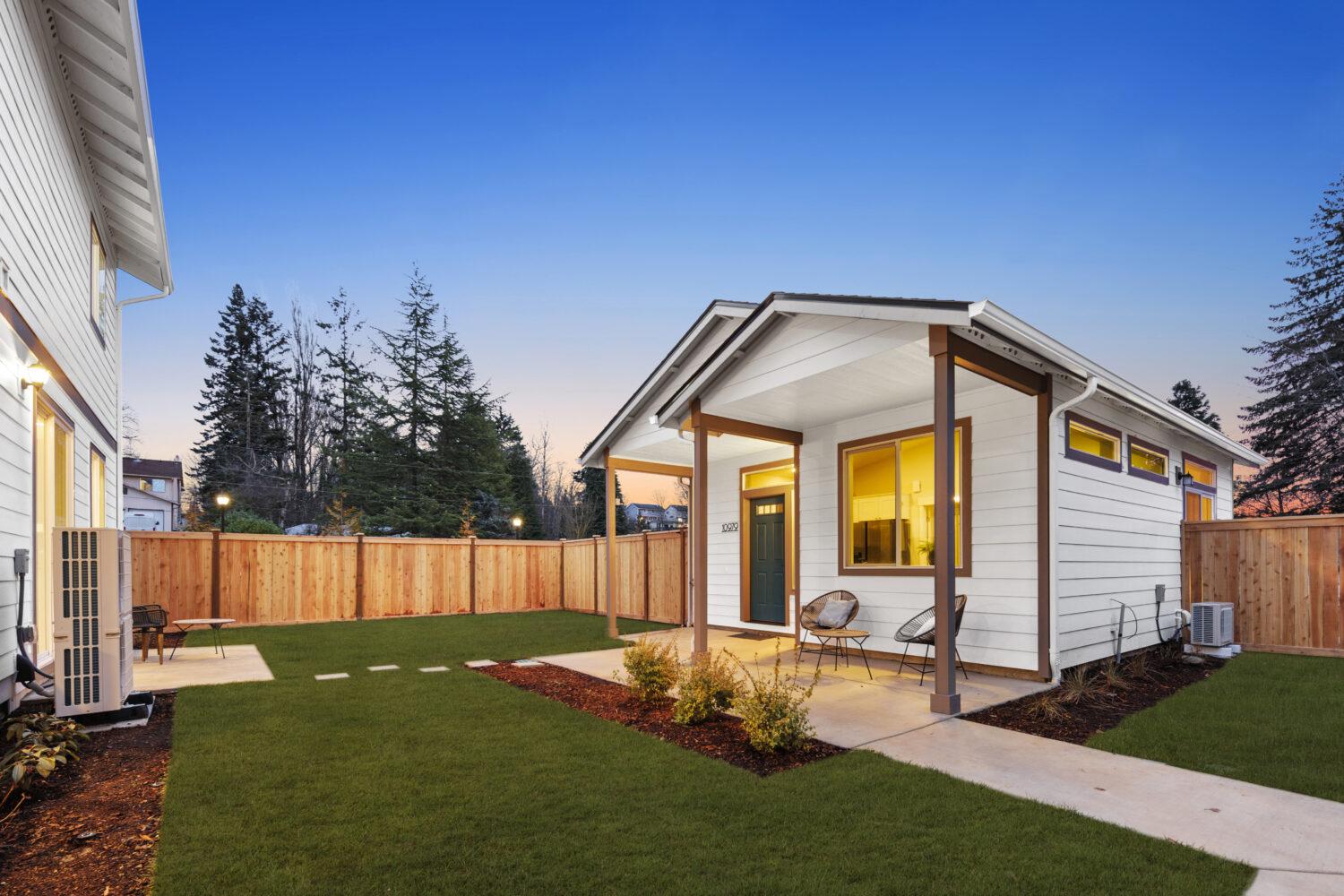
If you own a home in Annapolis, you may have heard a lot about ADUs lately. ADU stands for accessory dwelling unit. These are smaller, separate living spaces built on the same property as your main home. They can be a detached backyard cottage, a converted garage, a basement apartment, or an addition attached to your house.
More Annapolis homeowners are building ADUs to earn rental income, house aging parents, or increase their property value. But the success of your project depends heavily on one thing: choosing the right builder.
This guide will walk you through exactly what to look for, what questions to ask, and what warning signs to avoid.
Why Your Choice of Builder Matters So Much
Building an ADU is not the same as remodeling a kitchen. It involves permits, zoning laws, structural work, plumbing, electrical systems, and more. If your builder makes mistakes or cuts corners, you could face project delays, failed inspections, or costly repairs down the road.
In Annapolis specifically, the rules around ADU construction can be complex. Anne Arundel County has its own zoning laws. If your home is in a historic district, there are extra requirements about how the exterior of your ADU must look. Properties near the Chesapeake Bay and its tributaries must also meet stormwater and environmental rules. A builder who does not understand these local regulations can cause serious problems for your project.
What to Look for in an ADU Builder
Local experience is the most important factor. You want a builder who has completed ADU projects in Annapolis or Anne Arundel County before, not just general home additions or remodels. Local experience means they already know the permit process, the inspectors, and the local rules that apply to your property.
Make sure they are properly licensed and insured. In Maryland, contractors must hold a license from the Maryland Home Improvement Commission, often called the MHIC. You can look up any contractor's license on the MHIC website to confirm it is valid. Your builder should also carry general liability insurance and workers compensation coverage. Without these, you could be held responsible if something goes wrong on your property.
Ask about their permit track record. Getting permits approved is one of the most time consuming parts of any ADU project. A good builder will handle the entire permitting process for you and will have a proven record of getting approvals without major delays. Ask them how they handle permit applications and whether they have experience with Anne Arundel County specifically.
Review their portfolio of completed ADUs. Ask to see photos and addresses of ADU projects they have finished in the area. Better yet, ask for references you can contact directly. Speaking with past clients will give you an honest picture of what it is like to work with that builder.
Think about their communication style. You will be working closely with this person or company for several months. Find out who will be your main point of contact. Will you have a dedicated project manager? How often will they update you on progress? Clear and consistent communication prevents most of the frustrations homeowners experience during construction.
Red Flags to Watch Out For
Some warning signs should make you walk away from a builder quickly.
A bid that is much lower than all the others is rarely a good deal. It usually means the builder is planning to use cheaper materials, skip important steps, or add surprise costs later through change orders.
Be cautious of any builder who gives you a vague contract without a detailed scope of work. Your contract should spell out exactly what will be built, what materials will be used, and what is not included.
Never work with a builder who wants to start construction before permits are approved. Starting without permits can result in fines, forced demolition of the work, and serious legal issues when you try to sell your home.
Questions to Ask Before You Hire
When you meet with potential builders, come prepared with these questions.
How many ADUs have you built in Annapolis or Anne Arundel County? Who handles the permit applications, and what is your approval track record? What is your typical timeline from signing a contract to receiving a certificate of occupancy? How do you handle design changes or unexpected problems once work has begun? Can you provide three references from recent ADU clients I can call? What warranties do you offer on your labor and the materials you use?
The answers to these questions will quickly tell you how experienced and organized a builder really is.
Getting and Comparing Bids
Get written bids from at least three builders before making a decision. A detailed bid should break down the costs for labor, materials, permits, and any other expected expenses. Watch out for bids that list large allowances without explanation, since these are often where unexpected costs appear later.
When comparing bids, look at what is included and what is not. The lowest number on paper does not always mean the best value when you account for quality, timeline, and communication.
Coalition Construction is one example of a company that works with Annapolis homeowners on ADU projects and understands the local permitting landscape. Researching firms like this in your area can give you a useful baseline for what a professional, thorough bid should look like.
What Your Contract Must Include
Once you choose a builder, get everything in writing before any work begins. A solid contract should include a detailed scope of work with material specifications, a payment schedule tied to project milestones rather than a lump sum upfront, a clear process for handling change orders, an estimated project timeline with notes on potential delays, lien waiver provisions to protect your property, and warranty terms for both labor and materials.
Never pay the full amount before work is complete. A standard practice is to pay in stages as the project hits specific milestones.
Take Your Time and Choose Wisely
Choosing an ADU builder in Annapolis is one of the biggest decisions you will make as a homeowner. The right builder will guide you through the permitting process, communicate clearly, deliver quality work on time, and help you avoid costly mistakes.
Start by interviewing at least three builders. Check their MHIC licenses, review their local portfolios, and call their references. A little extra time spent in the selection process can save you significant stress and money once construction begins.
When you are ready to move forward, contact Anne Arundel County's Department of Inspections and Permits for current ADU rules, and consult the Annapolis Historic Preservation Commission if your home is in a historic district. Going into the project informed will help you choose the right partner and build with confidence.

 Arabic
 French
 Spanish
 Portuguese
 Deutsch
 Turkish
 Dutch
Dutch
 Italiano
 Russian
 Romaian
 Portuguese (Brazil)
 Greek
Greek