


Achieving Toned Arms: Is Brachioplasty the Right Choice for You?
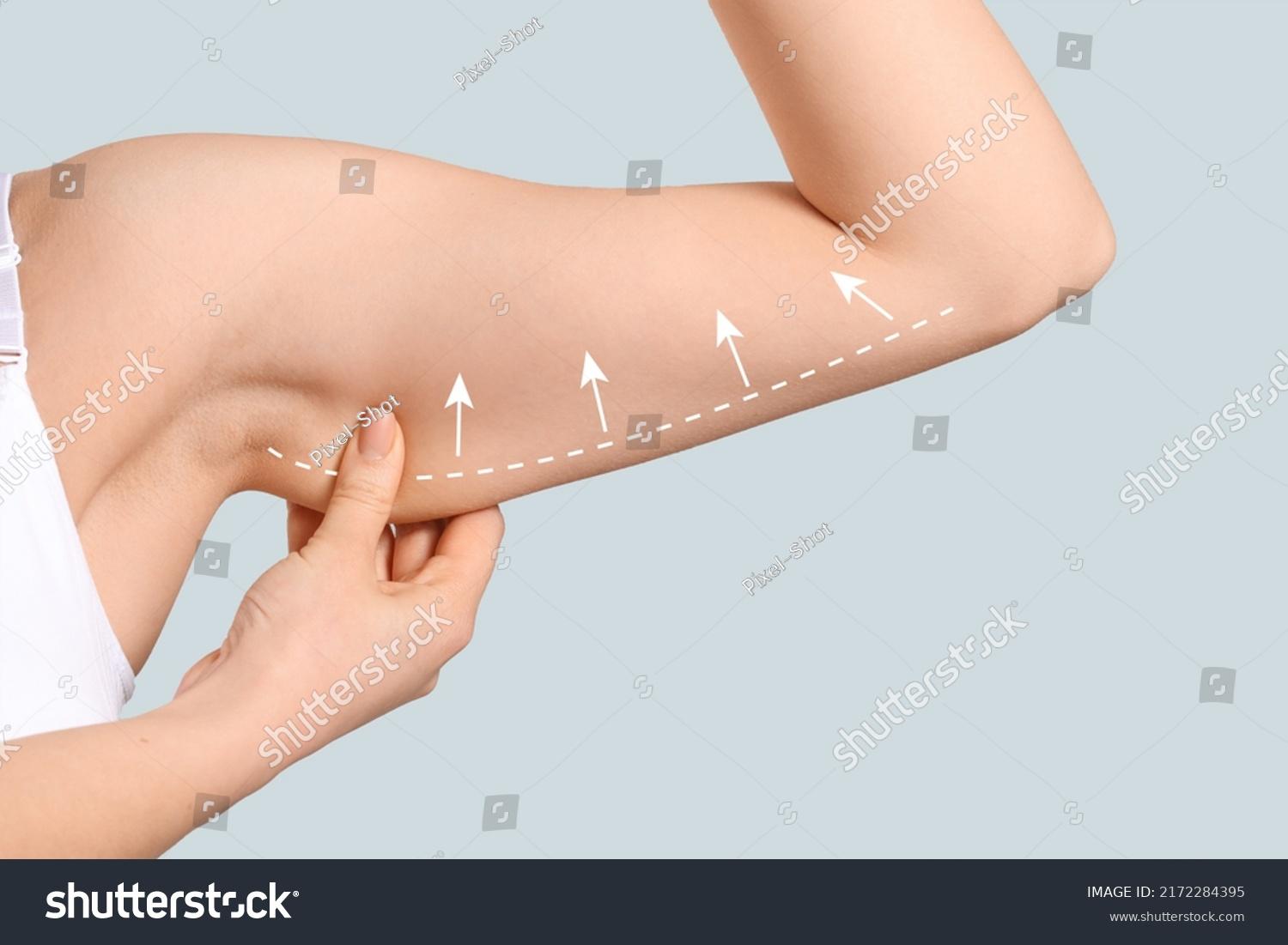
Achieving a sculpted upper body is a journey that often requires more than just weightlifting and cardiovascular exercise. For many individuals, the presence of loose, hanging skin—commonly referred to as "bat wings"—creates a silhouette that does not reflect their physical fitness or health. An Arm Lift Surgery in Riyadh addresses this specific concern by removing redundant tissue and tightening the underlying supports, offering a path to a more defined and confident profile. While diet and exercise can strengthen the triceps and biceps, they cannot shrink the skin "envelope" once it has lost its elasticity due to significant weight loss or aging. Determining if brachioplasty is the right choice involves understanding your anatomical needs, your aesthetic goals, and your commitment to the recovery process.
Assessing the Need: Skin Laxity vs. Subcutaneous Fat
The first step in deciding if an arm lift is right for you is differentiating between localized fat and skin laxity. A "toned" look requires both low fat levels and firm skin.
-
The Liposuction Candidate: If your skin remains elastic but you have stubborn pockets of fat that resist exercise, liposuction alone may be sufficient. This minimally invasive approach removes fat through tiny incisions, allowing the skin to naturally contract over the new, slimmer contour.
-
The Brachioplasty Candidate: If you can "pinch and pull" a significant amount of loose skin, or if the skin hangs down when your arms are raised, an arm lift is the gold standard. Brachioplasty is a reconstructive procedure that physically excises the excess skin, providing a level of "tightness" that non-surgical methods cannot replicate.
Evaluating Your Health and Lifestyle
Because brachioplasty is a surgical procedure performed under general anesthesia, being in optimal health is a prerequisite for a successful outcome.
-
Stable Weight: The ideal candidate has reached a stable "goal weight" and has maintained it for at least six months. Significant weight gain or loss after surgery can compromise the results, potentially leading to recurrent sagging or stretched scars.
-
Non-Smoking Status: Nicotine is a vasoconstrictor that significantly impairs blood flow and wound healing. Surgeons in Riyadh typically require patients to be completely nicotine-free for several weeks before and after surgery to prevent complications such as skin necrosis or widened scars.
-
Realistic Expectations: An arm lift is a "trade-off" procedure. You are trading loose, hanging skin for a firmer contour and a surgical scar. Most patients find this trade-off highly beneficial, but it is essential to be mentally prepared for the presence of a scar along the inner arm.
The Impact of Massive Weight Loss
Brachioplasty is most frequently sought by individuals who have undergone massive weight loss, often following bariatric surgery. In these cases, the skin has been stretched beyond its "point of no return."
-
Functional Benefits: Beyond aesthetics, removing excess skin can resolve functional issues such as skin irritation, rashes (intertrigo), and difficulty finding well-fitting clothes.
-
Psychological Well-being: For many, the "bat wing" appearance is a lingering reminder of their previous weight. Removing this tissue often marks the final chapter of their weight loss journey, providing a profound boost in self-esteem and body image.
Understanding the Surgical Anatomy
The "right" choice also depends on the extent of correction needed. Modern techniques allow for a tailored approach:
-
Limited-Incision Brachioplasty: Best for those with laxity concentrated near the armpit. This "mini" lift uses a shorter incision that is easily hidden.
-
Standard Brachioplasty: The traditional approach for those with moderate to severe sagging, involving an incision from the armpit to the elbow.
-
Extended Brachioplasty: Required when the skin laxity extends onto the lateral chest wall, often seen in post-bariatric patients.
Recovery: The Commitment to Healing
Choosing brachioplasty means committing to a structured recovery period to ensure the best aesthetic result.
-
The First Fortnight: You will need to take 1–2 weeks off work. During this time, you will wear compression garments to manage swelling and keep your arms elevated on pillows to encourage drainage.
-
Activity Restrictions: Heavy lifting and strenuous exercise (including gym workouts) are strictly prohibited for 4–6 weeks. Pushing your body too early can cause incisions to pull apart or scars to widen.
-
Long-Term Scar Care: While the initial healing happens in weeks, scars take 9–12 months to fully mature and fade. Following a professional scar management protocol—including silicone gels and sun protection—is vital for a discreet finish.
Conclusion: Weighing the Results
Brachioplasty is a highly effective, transformative procedure for those who have reached the limits of what diet and exercise can achieve. It is the "right choice" if you are looking for a definitive, long-lasting solution to skin laxity and are prepared for the surgical journey and the resulting scar. In the world-class medical environment of Riyadh, patients can expect a high standard of care and surgical precision. By aligning your expectations with the reality of the procedure, you can achieve the toned, confident arms you’ve worked so hard for, allowing your physical appearance to finally match your inner strength.

 English
 French
 Spanish
 Portuguese
 Deutsch
 Turkish
 Dutch
Dutch
 Italiano
 Russian
 Romaian
 Portuguese (Brazil)
 Greek
Greek