


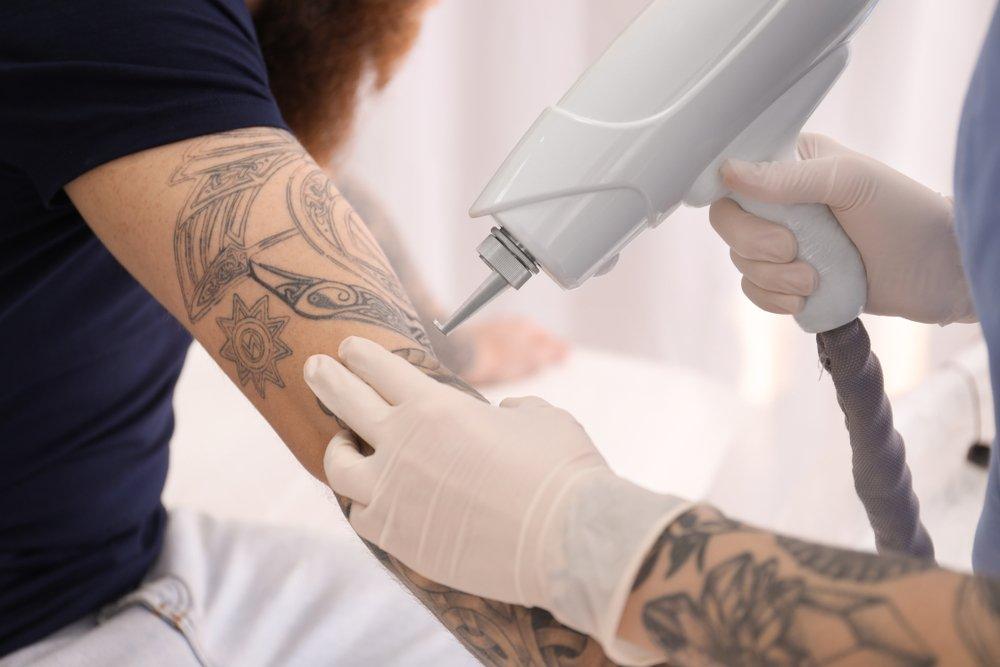
Fading vs Full Tattoo Removal: What’s Realistic?
Tattoo removal has become far more advanced with laser technology, but one of the biggest misunderstandings people still have is expecting a tattoo to disappear completely in every case. In reality, outcomes vary widely. Some tattoos can be removed almost entirely, while others only fade significantly. Understanding the difference between fading and full removal helps set realistic expectations before starting treatment. Tattoo removal in Riyadh has become a popular option for people who want to fade or completely erase unwanted ink using modern techniques.
What “Fading” Means in Tattoo Removal
Fading refers to a tattoo becoming lighter and less visible, but not completely disappearing.
What fading looks like:
- Ink becomes significantly lighter
- Lines appear broken or blurry
- Colors lose intensity
- Tattoo becomes easier to cover or conceal
Fading is often the most common outcome, especially for multi-colored or professionally done tattoos. After several laser sessions, many tattoos become faint enough that they are barely noticeable in normal lighting.
Fading is also useful for people planning a cover-up tattoo, where a new design is placed over a softened older one.
What “Full Removal” Means
Full removal refers to a tattoo being completely eliminated from visible skin, leaving little to no trace of ink.
In ideal full removal cases:
- Skin appears clear or nearly clear
- No obvious outlines remain
- Any leftover pigment is extremely faint
Modern laser treatments, especially with advanced multi-wavelength systems, can achieve near-complete removal in many cases. However, “100% perfect skin restoration” is not always guaranteed.
Even in successful removals, some people may still have:
- Slight shadowing
- Minor pigment changes
- Very faint outlines visible under certain lighting
Why Full Removal Is Not Always Possible
Several factors determine whether a tattoo can be fully removed or only faded:
1. Ink Type and Color
Certain inks are harder to break down, especially:
- Green
- Yellow
- Light blue
- White (can sometimes darken instead of fading)
Black ink is usually the easiest to remove completely, while lighter pigments often resist full clearance.
2. Tattoo Depth and Density
Professional tattoos are usually placed deeper in the skin with more ink density. This makes them harder to fully eliminate compared to amateur tattoos, which are often more superficial.
3. Skin Type and Healing Response
Different skin types react differently to laser energy. Some individuals may clear ink more efficiently, while others may experience slower fading or pigment changes.
4. Tattoo Age
Older tattoos are often easier to remove because the body has already begun breaking down ink over time. Newer tattoos tend to be more resistant.
5. Body’s Immune System
Laser treatment only breaks ink into smaller particles. The immune system is responsible for clearing them away. A stronger immune response often leads to better fading and removal results.
Typical Results You Can Expect
In most real-world cases, outcomes fall into three categories:
1. Near Full Removal (Best Case)
- Tattoo becomes almost invisible
- Slight faint marks may remain
- Most common with black ink tattoos
2. Significant Fading (Most Common)
- Tattoo is still visible but very light
- Suitable for cover-up tattoos
- Colors or outlines may remain faintly visible
3. Partial Removal (Challenging Cases)
- Noticeable tattoo remnants remain
- Often due to stubborn colors or deep ink
- May require many sessions with limited improvement
Fading vs Removal: Which One Should You Expect?
A helpful way to think about it is:
- Black, simple tattoos → Higher chance of full removal
- Colored or complex tattoos → More likely to fade rather than fully disappear
This is why professional clinics usually avoid guaranteeing complete removal and instead focus on “maximum possible fading.”
How to Improve Your Chances of Better Results
While you cannot fully control outcomes, you can improve your chances by:
Choosing advanced laser technology
Modern systems can target multiple ink colors more effectively.
Spacing sessions properly
Allowing 6–8 weeks or more between sessions helps the body clear ink more efficiently.
Following aftercare instructions
Proper healing reduces complications and improves fading.
Maintaining good health
Hydration, sleep, and nutrition support immune system activity, which helps remove ink particles.
Conclusion
The difference between fading and full tattoo removal comes down to ink type, skin response, and treatment conditions. While full removal is possible in many cases—especially with black ink—it is not guaranteed for every tattoo.
Most people should realistically expect significant fading rather than perfect erasure, especially with colorful or professionally done tattoos. However, even fading can be enough to make tattoos barely noticeable or suitable for cover-ups.
With modern laser technology and proper treatment planning, results today are far better than in the past—but setting realistic expectations is key to satisfaction.

 English
 French
 Spanish
 Portuguese
 Deutsch
 Turkish
 Dutch
Dutch
 Italiano
 Russian
 Romaian
 Portuguese (Brazil)
 Greek
Greek