


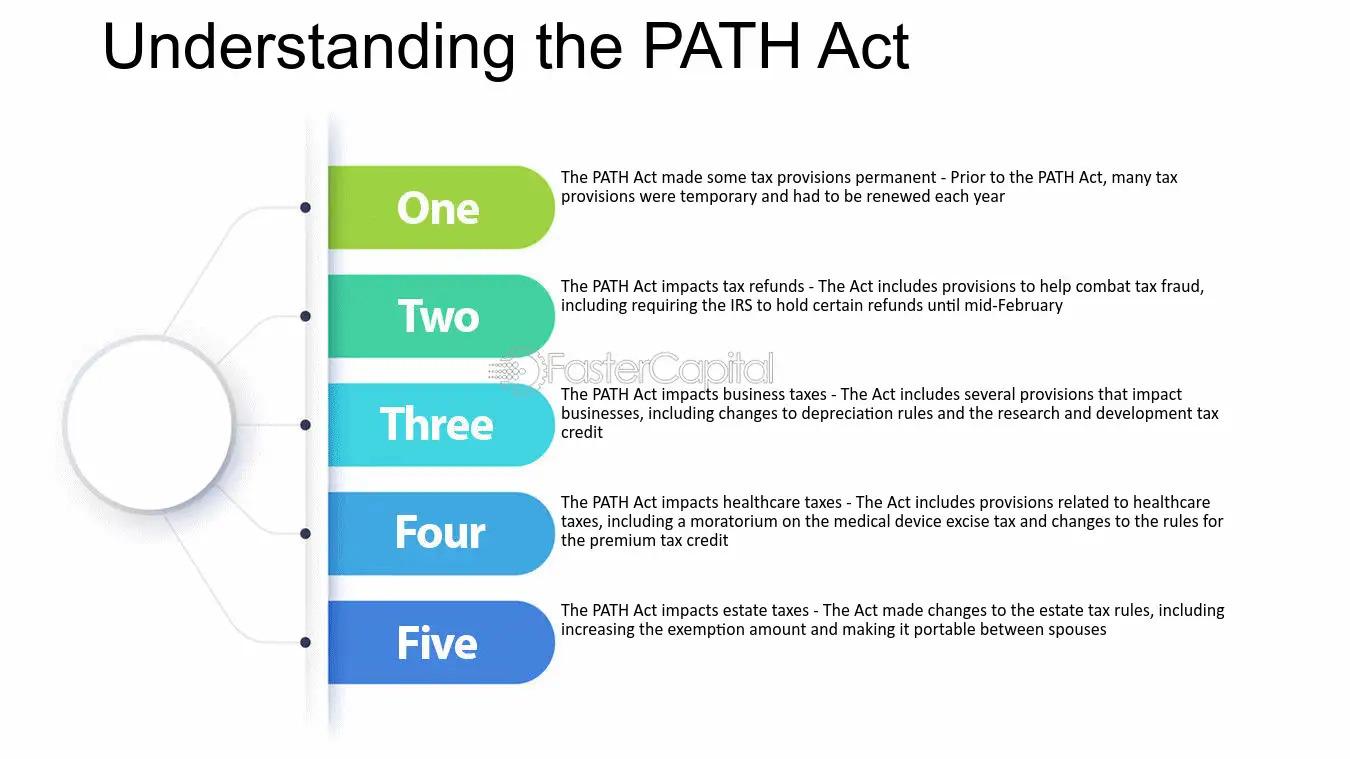
Every tax season, millions of taxpayers eagerly wait for their IRS tax refunds. However, many filers claiming certain tax credits experience delays because of the PATH Act refund rules. If you are expecting a refund in 2026 and claiming credits like the Earned Income Tax Credit (EITC) or Additional Child Tax Credit (ACTC), understanding the PATH Act refund delay is important.
The Protecting Americans from Tax Hikes (PATH) Act was introduced to reduce tax fraud and identity theft. While the law helps the IRS verify tax returns more accurately, it also delays refunds for eligible taxpayers during the early tax filing season.
In this guide, we’ll explain what the PATH Act refund delay is, why it happens, who it affects, expected refund timelines for 2026, and how taxpayers can avoid additional delays.
What Is the PATH Act?
The Protecting Americans from Tax Hikes Act, commonly called the PATH Act, was signed into law to improve tax compliance and reduce fraudulent refund claims.
Under this law, the IRS is required to hold refunds for taxpayers claiming:
- Earned Income Tax Credit (EITC)
- Additional Child Tax Credit (ACTC)
The IRS cannot issue these refunds before a specific date, even if taxpayers file early and electronically.
The purpose of the delay is to allow the IRS additional time to verify income information, review tax returns, and prevent identity theft or fraudulent refund claims.
Why Does the PATH Act Delay Refunds?
Tax fraud and identity theft became major concerns for the IRS over the past decade. Fraudsters often filed fake tax returns early in the season to claim refunds before employers submitted wage information.
The PATH Act helps prevent this issue by giving the IRS extra time to:
- Verify W-2 and income documents
- Match employer-reported income
- Detect fraudulent tax returns
- Review eligibility for tax credits
- Reduce improper refund payments
Although the delay can be frustrating for taxpayers waiting for refunds, it plays a significant role in protecting the tax system from fraud.
Who Is Affected by the PATH Act Refund Delay?
The PATH Act refund delay mainly affects taxpayers claiming:
Earned Income Tax Credit (EITC)
The EITC is a tax credit designed to help low- and moderate-income workers reduce their tax burden and potentially receive larger refunds.
Additional Child Tax Credit (ACTC)
The ACTC provides refundable tax benefits to eligible families with dependent children.
If a taxpayer claims either of these credits, the IRS must hold the entire refund until the required release period passes.
Even if only part of the refund is related to EITC or ACTC, the IRS generally delays the full refund amount.
When Will PATH Act Refunds Be Released in 2026?
For the 2026 tax season, the IRS is expected to follow a timeline similar to previous years.
Typically:
- The IRS begins accepting tax returns in late January.
- Refunds involving EITC or ACTC are legally held until at least mid-February.
- Most PATH Act refunds are usually issued between late February and early March, depending on processing times and banking institutions.
Taxpayers who file electronically and choose direct deposit generally receive refunds faster than paper filers.
However, exact refund dates can vary based on:
- IRS processing volume
- Accuracy of tax returns
- Identity verification requirements
- Banking processing times
- Filing method
How to Check Your Refund Status
Taxpayers can monitor their refund progress using the IRS “Where’s My Refund?” tool after filing their tax return.
The tool typically updates within:
- 24 hours for electronically filed returns
- Several weeks for mailed paper returns
Refund status usually moves through three stages:
- Return Received
- Refund Approved
- Refund Sent
Taxpayers claiming EITC or ACTC may notice their refund status remains unchanged until the IRS begins releasing PATH Act refunds.
Common Reasons for Additional Refund Delays
While the PATH Act creates a mandatory delay, some taxpayers may experience even longer wait times due to other issues.
Errors on Tax Returns
Incorrect Social Security numbers, math mistakes, or missing information can slow IRS processing.
Identity Verification Requests
The IRS may request additional verification if suspicious activity is detected on a return.
Incorrect Bank Information
Entering the wrong bank account details can delay direct deposit refunds.
Paper Filing
Paper tax returns take significantly longer to process compared to electronic filing.
Missing Income Documents
The IRS may delay refunds if employer-reported income does not match the taxpayer’s return.
Tips to Avoid Additional Refund Delays
Although taxpayers cannot avoid the mandatory PATH Act hold period, there are ways to prevent further delays.
File Electronically
Electronic filing reduces processing errors and speeds up IRS review times.
Choose Direct Deposit
Direct deposit is the fastest and safest way to receive a refund.
Double-Check Information
Carefully review names, Social Security numbers, income details, and bank account information before submitting a return.
Wait for All Tax Documents
Make sure all W-2s, 1099s, and other tax forms are received before filing.
Respond Quickly to IRS Notices
If the IRS requests additional information or identity verification, respond as soon as possible to avoid processing delays.
How the PATH Act Benefits Taxpayers
Although refund delays may seem inconvenient, the PATH Act provides several important benefits.
Reduced Tax Fraud
The law helps prevent criminals from filing fake tax returns and stealing refunds.
Better Income Verification
The IRS has more time to match tax returns with employer-submitted wage information.
Improved Refund Accuracy
Additional review time reduces mistakes and improper payments.
Increased Taxpayer Protection
Identity theft protections help secure taxpayer information and financial data.
The PATH Act ultimately helps create a more secure and reliable tax filing system.
What Taxpayers Should Expect in 2026
Taxpayers claiming EITC or ACTC during the 2026 tax season should prepare for the standard PATH Act refund timeline.
Even if a return is filed on the first day the IRS accepts returns, the refund will still be delayed until the IRS completes mandatory verification procedures.
Most taxpayers can expect refunds by late February or early March if:
- The return is accurate
- Filed electronically
- Direct deposit is selected
- No identity verification issues arise
Patience is important during this process because the delay is required by federal law.
Final Thoughts
The PATH Act refund delay is a standard part of the tax filing process for taxpayers claiming the Earned Income Tax Credit or Additional Child Tax Credit. While the delay may temporarily postpone refunds, the law helps reduce fraud, improve refund accuracy, and protect taxpayer identities.
Understanding how the PATH Act works can help taxpayers set realistic expectations and avoid unnecessary stress during tax season.
By filing accurate returns, using electronic filing, and choosing direct deposit, taxpayers can minimize additional delays and receive refunds as quickly as possible once the IRS begins processing PATH Act refunds in 2026.

 Arabic
 French
 Spanish
 Portuguese
 Deutsch
 Turkish
 Dutch
Dutch
 Italiano
 Russian
 Romaian
 Portuguese (Brazil)
 Greek
Greek