


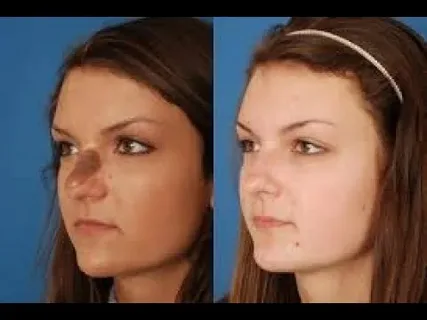
Recovery and Results: Life After Skin Lesion Removal
The journey to clear skin doesn't end when you leave the clinic; in many ways, the recovery phase is where the "magic" of a blemish-free result truly happens. In 2026, Skin Lesion Removal in Riyadh has moved beyond simple excision to a comprehensive "post-procedure" philosophy. With the city's unique environmental factors—specifically high UV levels and dry air—recovery is managed with high-tech topicals and strict shielding protocols. Whether you’ve had a laser treatment or a surgical excision, understanding the timeline of healing and the expected evolution of your skin ensures that you achieve the most aesthetic and long-lasting outcome possible.
The Healing Timeline: What to Expect
Healing is a biological process that unfolds in distinct stages. While every individual recovers at their own pace, the 2026 clinical standards for lesion removal typically follow this roadmap:
| Phase | Timeline | What’s Happening |
| Immediate | Days 1–2 | Minor redness, swelling, or "tenderness" at the site. Laser treated areas may look like a small "cat scratch" or graze. |
| Early Healing | Days 3–7 | A protective micro-scab forms. This is your body's natural bandage—do not pick it. It protects the regenerating skin underneath. |
| Active Repair | Weeks 2–4 | The scab naturally sloughs off to reveal fresh, pinkish skin. This new tissue is healthy but delicate and requires maximum protection. |
| Maturation | Months 1–6+ | The pinkness fades to match your surrounding skin tone. The "remodeling" of collagen continues deep beneath the surface to flatten any marks. |
Laser vs. Surgical: Different Recovery Paths
The "Life After" experience varies slightly depending on the technology used during your procedure:
-
After Laser Removal: Recovery is typically faster. There are no stitches to remove, and you can usually resume normal social activities immediately. The treated spot will darken slightly before flaking away.
-
After Surgical Excision: If stitches were used, they are typically removed within 5 to 14 days. You may need to limit strenuous exercise (like gym sessions) for 2 weeks to prevent the healing incision from stretching, which ensures the final scar remains a fine, discreet line.
Riyadh-Specific Recovery: Defeating the Sun
In Riyadh, the greatest threat to a perfect result is Post-Inflammatory Hyperpigmentation (PIH). When new skin is exposed to the sun, it can "over-produce" melanin, causing the removal site to turn darker than the surrounding skin.
The 2026 Gold Standard for Protection
-
Mineral Shielding: Specialists recommend SPF 50+ mineral sunscreens containing Zinc Oxide or Titanium Dioxide. These sit on top of the skin to reflect UV rays away from the sensitive healing site.
-
Silicone Therapy: For excisions, medical-grade silicone gels or sheets are used starting around week two. These create a "micro-climate" that hydrates the scar and flattens it, preventing the formation of raised (keloid) tissue.
-
Hydration Integration: Because of Riyadh's dry climate, keeping the site "moist" is critical. Modern aftercare emphasizes petroleum-based ointments or exosome-infused creams over "drying out" the wound, as moist wounds heal up to 50% faster and with less scarring.
Long-Term Results: Will the Growth Return?
The ultimate goal of any removal is a permanent result.
-
Benign Growths: For skin tags and seborrheic keratoses, removal is almost always permanent. While you may develop new growths elsewhere due to genetics or aging, the specific one treated is gone for good.
-
Viral Warts: Success depends on the complete eradication of the HPV virus. In 2026, the use of "immunotherapy" creams post-procedure has significantly lowered recurrence rates.
-
Cysts and Lipomas: If the entire "capsule" or fatty mass was removed by a specialist, the chance of return at that exact site is extremely low (less than 1-2%).
Conclusion: Embracing Your New Skin
Life after skin lesion removal is characterized by a return to confidence. Once the initial healing phase is complete, most patients find that the "memory" of the growth fades along with the physical mark. By following a specialist’s recovery plan—prioritizing hydration, avoiding the urge to pick at scabs, and treating sun protection as a non-negotiable daily habit—you ensure that your Skin Lesion Removal in Riyadh results in the clear, smooth, and healthy complexion you deserve. Your skin is resilient; with the right care, it will heal beautifully, leaving you with a blemish-free profile and the peace of mind that comes from expert dermatological care.

 English
 French
 Spanish
 Portuguese
 Deutsch
 Turkish
 Dutch
Dutch
 Italiano
 Russian
 Romaian
 Portuguese (Brazil)
 Greek
Greek