


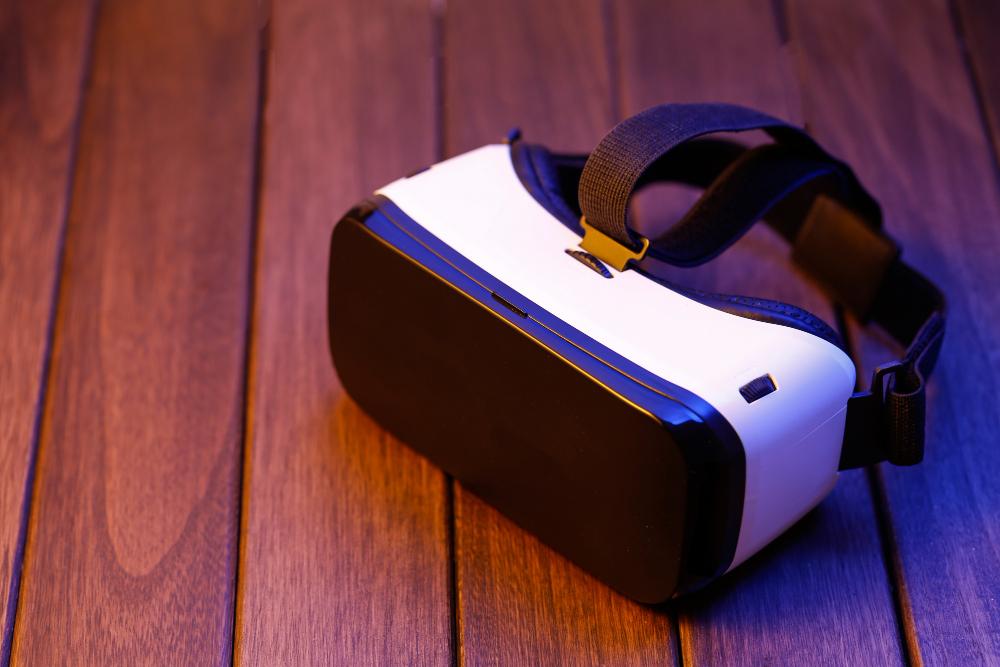
The shift toward slim, lightweight VR headsets has made the Pancake optical module a critical component in modern display engineering. By folding the light path through multiple reflections, these modules eliminate the "shoebox" bulk of traditional lenses. However, the most significant technical problem with this design is the inherent light loss caused by multiple polarizing and reflective layers. For B2B manufacturers, solving these efficiency bottlenecks is essential to delivering high-brightness visuals without draining battery life or overheating the device.
Managing Polarization Loss and Light Throughput
In a Pancake system, light must pass through several polarizing films and quarter-wave plates to achieve the folded path. Each transition typically results in a significant reduction in total luminance, often leaving only a fraction of the original light from the micro display. To improve efficiency, engineers are now utilizing high-transmittance reflective polarizers and advanced film stacks. By optimizing the "S" and "P" polarization states, we can ensure that more light reaches the user's eye, resulting in the vibrant, high-contrast imagery required for professional training and simulation.
Reducing Ghosting through Precision Optical Bonding
A secondary challenge in Pancake optics is "ghosting," where stray light reflections create faint, distracting secondary images. This usually happens due to air gaps between the lens elements or imperfect coatings on the semi-reflective mirrors. Advanced B2B manufacturing solves this through vacuum-based optical bonding and specialized anti-reflective (AR) coatings. These processes eliminate internal air-glass interfaces, which not only stops ghosting but also improves the overall optical clarity. Maintaining these tight tolerances during assembly is what separates high-end industrial modules from standard consumer optics.
The Role of High-Brightness Micro Displays
Because Pancake lenses are naturally "thirsty" for light, the choice of the light engine is a deciding factor in system performance. Integrating high-nit Micro OLED or Micro LED displays is the most direct way to compensate for optical loss. However, pushing higher brightness requires better thermal management to prevent pixel degradation. Effective integration involves pairing the optical module with an efficient heat-dissipation frame. This balance allows for a compact, slim headset design that still delivers daylight-visible brightness levels for demanding outdoor or high-intensity enterprise applications.
Conclusion
Mastering light efficiency in Pancake optics is the key to creating the next generation of wearable hardware. By focusing on advanced coatings and polarization management, you can overcome the brightness hurdles of folded light paths.
ARVR Optical is a premier manufacturer of high-precision Pancake optical modules and micro displays. We provide custom B2B manufacturing solutions to help you build the world’s most efficient AR/VR hardware. Visit arvroptical.com.

 English
 Arabic
 French
 Spanish
 Deutsch
 Turkish
 Dutch
Dutch
 Italiano
 Russian
 Romaian
 Portuguese (Brazil)
 Greek
Greek