


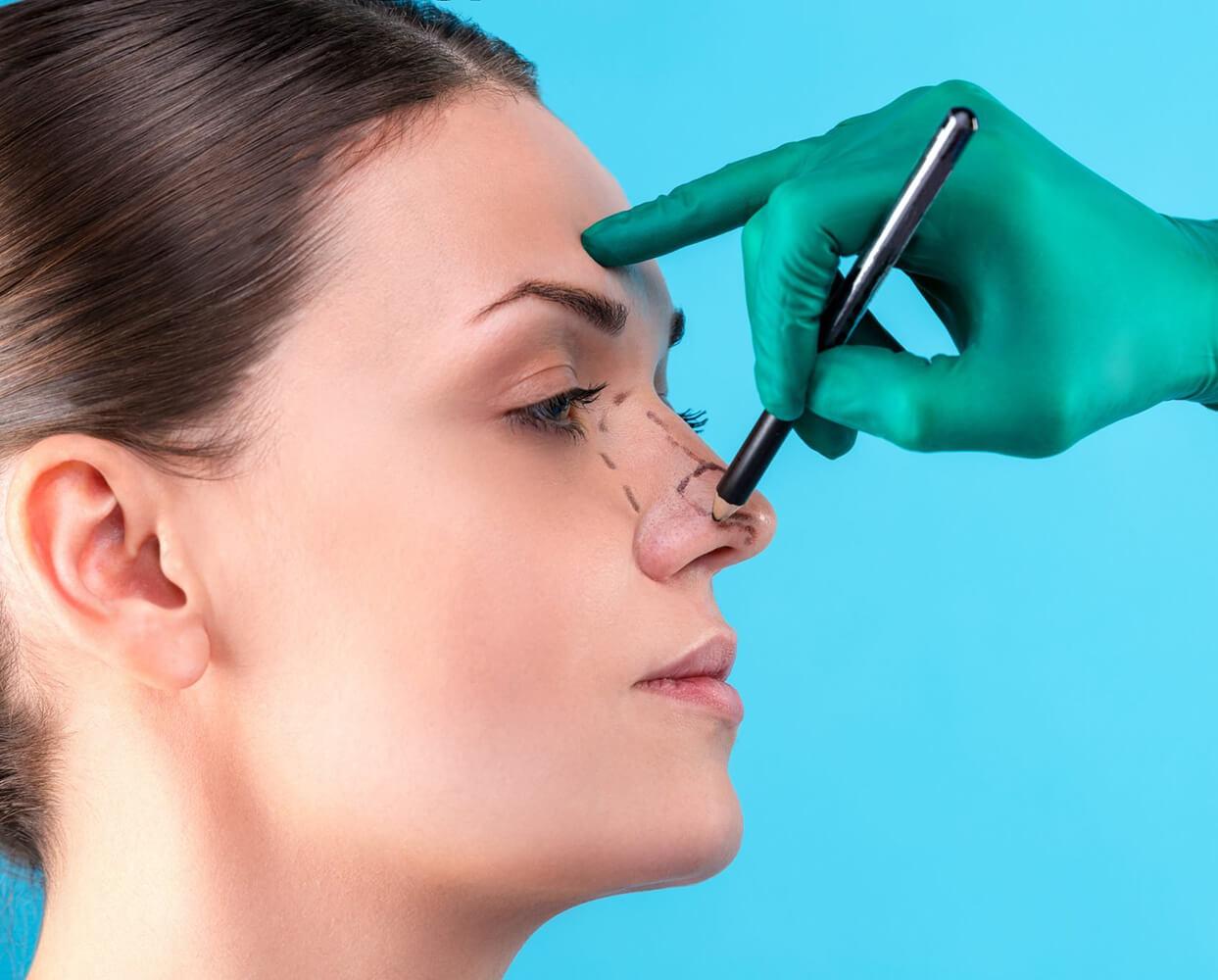
Non-Surgical Rhinoplasty Options and Limitations
Introduction
Non-surgical rhinoplasty, often called a “liquid nose job,” has gained popularity as a quick, minimally invasive alternative to traditional surgical rhinoplasty. Instead of reshaping the bone and cartilage through surgery, this procedure uses injectable fillers to temporarily modify the shape of the nose. Rhinoplasty in Riyadh is a widely discussed cosmetic procedure for individuals seeking to enhance facial balance or improve nasal function.
While it offers convenience and immediate results, non-surgical rhinoplasty also has clear limitations. Understanding both its benefits and drawbacks is essential before considering it as an option.
What Is Non-Surgical Rhinoplasty?
Non-surgical rhinoplasty is a cosmetic procedure that involves injecting dermal fillers into specific areas of the nose to change its shape or improve symmetry.
Common Fillers Used
- Hyaluronic acid-based fillers (most common)
- Calcium hydroxylapatite fillers (less commonly used)
These substances are carefully injected to smooth contours, add volume, or correct minor irregularities.
How the Procedure Works
The procedure is typically quick and performed in a clinic setting without general anesthesia.
Steps Involved
- Consultation and facial assessment
- Application of numbing cream (if needed)
- Precise filler injections into targeted areas
- Manual shaping and adjustment by the practitioner
The entire process usually takes 15 to 45 minutes, and results are visible immediately.
Benefits of Non-Surgical Rhinoplasty
1. Immediate Results
One of the biggest advantages is that changes are visible right after the procedure. Patients can see improvements in nasal shape without waiting for healing.
2. No Surgery or Downtime
There are:
- No incisions
- No stitches
- Minimal recovery time
Most people return to normal activities within a day.
3. Reversible and Adjustable
Hyaluronic acid fillers can be dissolved if the results are unsatisfactory, making the procedure less permanent and more flexible.
4. Lower Cost Compared to Surgery
Non-surgical rhinoplasty is generally more affordable than traditional surgical options, making it accessible to a wider range of patients.
5. Suitable for Minor Corrections
It works well for subtle enhancements such as smoothing bumps or improving symmetry.
What Non-Surgical Rhinoplasty Can Improve
This procedure is best for cosmetic refinements rather than structural changes.
Common Improvements
- Smoothing small nasal bumps
- Enhancing bridge definition
- Improving mild asymmetry
- Lifting a slightly drooping tip
- Creating a straighter nasal profile
It is important to note that these changes are optical adjustments rather than structural corrections.
Limitations of Non-Surgical Rhinoplasty
Despite its advantages, non-surgical rhinoplasty has significant limitations.
1. Cannot Reduce Nose Size
Fillers add volume, so they cannot make the nose smaller. In some cases, they may even make it appear slightly larger.
2. Temporary Results
Results are not permanent. Depending on the filler used, effects typically last:
- 6 to 18 months
Repeat treatments are required to maintain results.
3. Limited Structural Changes
Non-surgical rhinoplasty cannot correct:
- Deviated septum
- Breathing difficulties
- Major nasal deformities
- Significant trauma-related damage
For these issues, surgical rhinoplasty is required.
4. Risk of Vascular Complications
Although rare, improper injection technique can lead to serious complications, including:
- Skin discoloration
- Tissue damage
- Vascular blockage
This makes it essential to choose a highly qualified practitioner.
5. Not Suitable for Major Reshaping
Large structural changes or dramatic transformations cannot be achieved with fillers alone.
Who Is a Good Candidate?
Non-surgical rhinoplasty is best suited for individuals who:
- Want minor cosmetic improvements
- Prefer a non-invasive option
- Do not need functional correction
- Are looking for temporary changes before committing to surgery
It is not suitable for those seeking major reshaping or long-term correction.
Recovery and Aftercare
Although there is minimal downtime, some mild effects may occur.
Possible Side Effects
- Slight swelling
- Redness at injection sites
- Minor bruising
- Temporary tenderness
Aftercare Tips
- Avoid touching or pressing the nose for 24–48 hours
- Avoid heavy exercise for a short period
- Stay away from excessive heat (saunas, hot showers) initially
- Follow practitioner instructions carefully
Non-Surgical vs Surgical Rhinoplasty
Non-Surgical Rhinoplasty
- Quick procedure
- Temporary results
- No downtime
- Limited to minor adjustments
Surgical Rhinoplasty
- Permanent results
- Can reshape bone and cartilage
- Longer recovery
- Suitable for major corrections and functional issues
Choosing between the two depends on individual goals, anatomy, and long-term expectations.
Conclusion
Non-surgical rhinoplasty offers a convenient and minimally invasive way to enhance nasal appearance with immediate results and little downtime. It is ideal for subtle refinements such as smoothing bumps or improving symmetry.
However, its limitations are important to understand. It cannot reduce nose size, correct functional issues, or provide permanent structural changes. For more significant transformations, surgical rhinoplasty remains the more comprehensive solution.

 English
 Arabic
 French
 Spanish
 Deutsch
 Turkish
 Dutch
Dutch
 Italiano
 Russian
 Romaian
 Portuguese (Brazil)
 Greek
Greek